Vegetable

Zucchini plant care: powdery mildew, squash vine borers, and the harvest schedule that prevents giants

Zucchini is easy until mid-July. Then squash vine borers and powdery mildew arrive on schedule. Both are manageable if you know when to act, and harvest daily is the only way to avoid baseball bats.

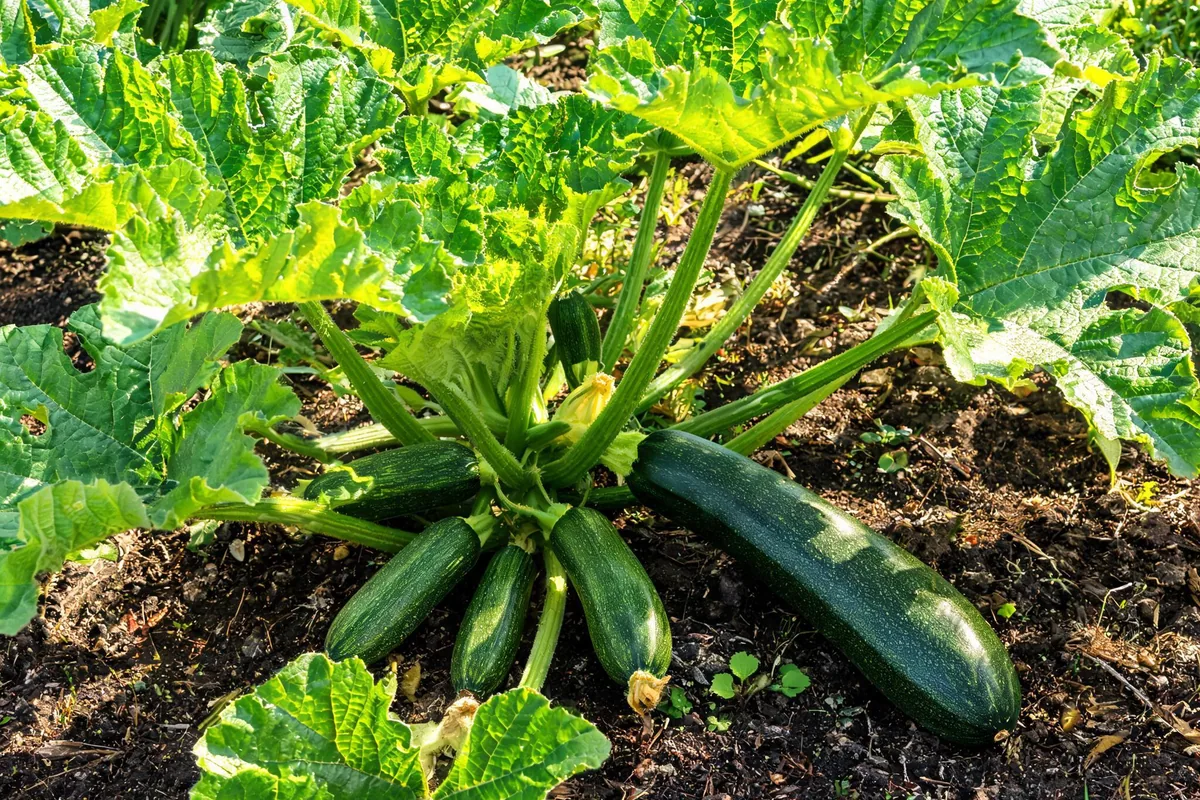
zucchini and squash growing in vegetable garden
Photo: Unsplash on Unsplash

—- title: "Zucchini plant care" slug: zucchini-plant-care hub: vegetables category: Vegetable guide description: "Zucchini is practically the mascot of the American vegetable garden — the plant that produces so prolifically that gardeners start leaving grocery bags of squash on neighbors' doorsteps in August.." date: 2026-06-10 updated: 2026-06-10 author: "Thomas A." reading_time: 9 scientific: "Cucurbita pepo" zones_min: 3 zones_max: 11 sun: "full sun" native: false annual: true —-

Zucchini is practically the mascot of the American vegetable garden — the plant that produces so prolifically that gardeners start leaving grocery bags of squash on neighbors' doorsteps in August. I've grown zucchini most summers on Long Island, and the experience is genuinely simple until mid-July, when the squash vine borers arrive and powdery mildew coats every leaf in white.

Neither problem is a surprise. Both are predictable enough that you can plan around them. The harvest schedule is the other thing nobody tells new growers: check the plants every single day once they start producing, or you will have a baseball bat instead of a vegetable.

Varieties: bush types dominate home gardens

Most home garden zucchini are bush types (Cucurbita pepo) — compact, non-vining plants that take up 3–4 feet of space versus the 6–10 feet required by vining summer squash. Standard green zucchini ('Black Beauty', 'Patio Star'), yellow zucchini ('Gold Rush'), and patty pan squash are all bush types. Eight Ball (round) and Romanesco (ridged, nutty flavor) are popular alternatives.

Butternut squash is a vine, not a bush, and its cultural requirements differ significantly. Per UMass Extension field notes, "winter squash, pumpkins, and zucchini are most susceptible" to squash vine borer while "butternut squash is resistant" — one practical reason some gardeners shift to butternut in regions with heavy vine borer pressure.

Planting

Zucchini is a warm-season crop. Per Penn State Extension guidance on squash, "soil temperatures should be at least 65°F for successful germination." In zone 7, this means direct seeding in late May or transplanting starts after Memorial Day weekend. Zucchini planted too early into cold soil will sit dormant and susceptible to damping-off; a plant started 2 weeks later into warm soil will catch and pass a stressed early plant.

Direct seeding: Sow 2–3 seeds per hill, 1 inch deep, with hills 3–4 feet apart. Thin to one plant per hill when seedlings are 4–5 inches tall.

Spacing: Bush zucchini needs at least 3 feet between plants for air circulation. Crowded plants have worse powdery mildew and harder harvesting.

Soil: Zucchini prefers well-drained, fertile soil with a pH of 6.0–6.8. Per Penn State Extension, squash is "a heavy feeder, particularly of nitrogen and potassium." Work in 2–3 inches of compost at planting.

Watering: Per Penn State Extension, squash "requires 1 to 2 inches of water weekly." Drip irrigation is preferred — per Penn State Extension, "overhead watering can increase the risk of foliar disease." Mulch with straw or shredded leaves to conserve moisture and reduce splash-up of soilborne pathogens.

The harvest schedule

Check plants every day once fruit sets. Zucchini that are left on the plant double in size in 24–48 hours in hot summer weather. The ideal harvest size is 6–8 inches long and 1.5–2 inches in diameter — at this size, skin is tender and seeds are undeveloped. Beyond 10 inches, the skin toughens and the flavor becomes watery and bland.

Harvesting frequently keeps the plant producing. A zucchini left to grow to 2 pounds tells the plant that reproduction is complete and slows new fruit production. Per Oregon State Extension guidance on cucumbers (same principle applies to zucchini), "frequent picking is essential to encourage new fruit growth."

Use a sharp knife or pruning shears to cut the stem rather than pulling — pulling can damage the main stem and create entry points for disease.

Squash vine borer: the mid-summer threat

The squash vine borer (Melittia satyriniformis) is the most serious pest of zucchini in the eastern United States. Per University of Minnesota Extension, it is "a common clearwing moth whose larvae feed inside the vines and crowns of summer squash, winter squash, and pumpkins. It is active from mid-June through July."

Per Penn State Extension, the adult moth is "½ inch long and has an orange abdomen with black spots. It is a day-flying moth often mistaken for a wasp." The female lays eggs at the base of susceptible plants. Once hatched, larvae bore into the main stem and feed inside, blocking water transport. The first visible sign is sudden wilting of the entire plant; by the time wilting appears, the larvae are already inside and it is too late for effective control.

Prevention with floating row cover: Per Penn State Extension, "row covers may be used as a preventative measure from planting until bloom but must be removed when the plants begin to bloom to allow for pollination." The practical timing in zone 5–7: cover plants at transplanting, remove covers when first flowers open (typically late June or early July in zone 7). The adult moth's egg-laying peak in the Northeast is mid-June through July, so covering plants through flowering protects them during the highest-risk window.

After row covers must come off for pollination, the window for borer protection narrows. Options:

Powdery mildew: the inevitable late-summer problem

Powdery mildew on zucchini is caused by Podosphaera xanthii — a fungal pathogen that, unlike most fungi, thrives in warm, dry conditions (not wet ones). Per UMass Extension field guidance, powdery mildew development is "arrested at day temperatures" above 90°F but occurs broadly throughout the 68–80°F range that describes most northeastern summers from July onward.

The white powdery coating on leaves is mycelium and spores. It starts on the older lower leaves and works its way up. A fully infected plant can still produce fruit for weeks — the foliage looks alarming but the squash continues to develop.

Management approach: Accept that powdery mildew will appear by August in the northeastern United States. The goal is to delay its onset and slow its spread, not to prevent it entirely.

Once mildew is severe and the growing season is winding down (late August in zone 7), pulling the plant and composting it is often the right call. Diseased material can be composted — unlike late blight, powdery mildew spores do not survive a well-managed hot compost pile.

Pollination and fruit set

Zucchini produces separate male and female flowers on the same plant. Male flowers appear first, usually 1–2 weeks before female flowers. Female flowers have a small proto-zucchini at the base of the bloom; male flowers have straight stems.

A zucchini that sets small fruit and then drops it, or produces rotting tiny squash at the stem end, has a pollination problem. This is most common early in the season when only male flowers are present, on days with no bee activity, or when row covers have been left on too long.

Per NC State Extension general guidance on squash, poor pollination may lead to misshapen or non-developing fruit. Bees must transfer pollen from male to female flowers — the plant cannot self-pollinate from wind alone.

Common problems

SymptomMost likely causeFix
Sudden wilting of whole plant; sawdust-like frass at stem baseSquash vine borer larvaeNo effective rescue; remove plant; use row covers next season; try second July planting
White powdery coating on leaves, starting with lower leavesPowdery mildewManage with airflow, resistant varieties, oil or sulfur spray at first sign
Small fruit forming then rotting (blossom end rot)Inadequate pollination or inconsistent wateringRemove row covers during bloom; water consistently; ensure bee activity
Oversized, seedy, tough fruitHarvested too lateCheck plants daily; harvest at 6–8 inches
Yellow, mottled leaves; distorted growthSquash mosaic virus or zucchini yellow mosaic virus (ZYMV)Remove infected plants; control aphids (virus vectors); use resistant varieties
Holes in leaves, chewed edgesCucumber beetles, squash bugsRow covers early; hand-pick squash bug eggs; per Penn State, place boards under plants to trap squash bugs overnight
Recommended gear: Best Soaker Hose for Vegetable Gardens (2026) — our buyer's guide covering picks for every budget, ranked by Extension publication consensus and personal use.

Frequently asked

How often should I check zucchini for harvest?

Every day during peak production — ideally in the morning. A zucchini at 6 inches on Monday morning can be 12 inches by Wednesday in warm weather. Per Oregon State Extension guidance on cucurbits, "frequent picking is essential to encourage new fruit growth." Plants that are allowed to carry several overgrown squash simultaneously produce fewer new fruit because the plant's energy is directed toward maturing the existing fruit.

Can I prevent squash vine borer?

Prevention is more effective than treatment. Per Penn State Extension, row covers from transplanting until first bloom protect plants during the primary egg-laying window (mid-June through July). Once flowers open, covers must come off for pollination. A second planting in early July, per Penn State Extension, allows plants to bypass the peak borer activity period. Per UMN Extension, vine borer is "active from mid-June through July" — a July planting starts after this window.

Is powdery mildew fatal for zucchini?

Not usually, and not quickly. Per UMass Extension field data, powdery mildew infection will reduce photosynthesis and eventually weaken the plant, but plants typically continue producing for weeks after first symptoms appear. The practical response is to manage it with organic sprays (neem oil, potassium bicarbonate) at first sign, choose disease-resistant varieties, and accept that late-August zucchini will always look worse than mid-July zucchini in the humid Northeast.

Why is my zucchini plant producing flowers but no fruit?

If there are only male flowers (no small proto-squash at the base), the plant is in its first flowering phase — female flowers will follow in 1–2 weeks. If both flower types are present but fruit is not developing, pollination is failing. Check for bee activity in the morning (when squash flowers are open); remove row covers if they are in place; hand-pollinate by transferring pollen from a male flower to a female flower with a small paintbrush or by folding a male flower over the pistil of a female flower.

Sources

  1. Penn State Extension — Insect Pests Affecting Squash Plants.
  2. Penn State Extension — Pumpkins and Winter Squash in the Garden.
  3. University of Minnesota Extension — Squash vine borers.
  4. University of Minnesota Extension — Squash bugs.
  5. UMass Extension — Cucurbit Disease Scouting and Management Guide (PDF).
  6. NC State Extension Plant Toolbox — Cucumis sativus (Cucumber).
  7. Oregon State University Extension — Grow your own cucumbers.