Vegetable

Growing Melons: Cantaloupe and Honeydew Guide

title: "Growing Melons: Cantaloupe and Honeydew Guide"

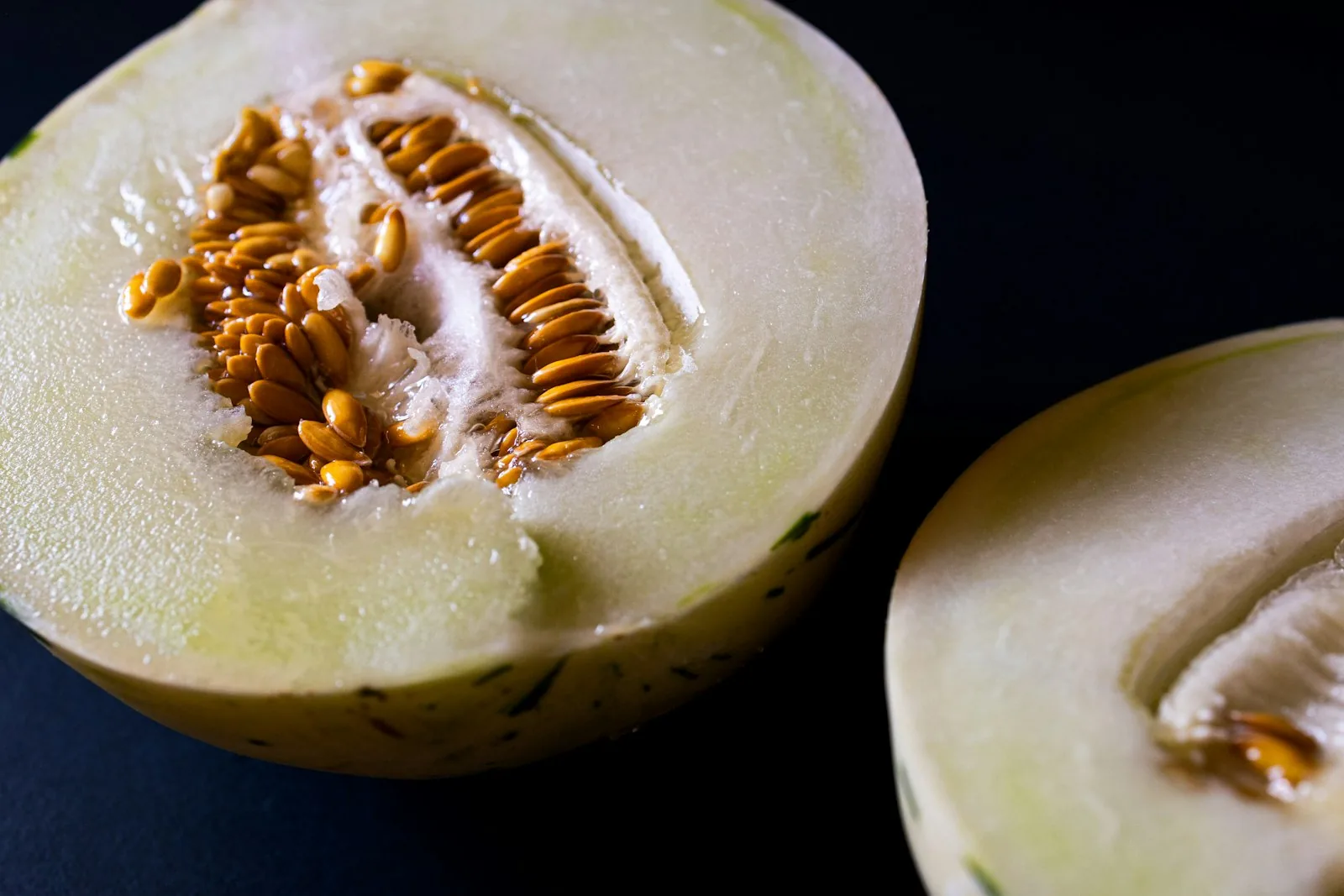
a halved honeydew melon with seeds visible
Photo: Unsplash on Unsplash

—- title: "Growing Melons: Cantaloupe and Honeydew Guide" slug: growing-melons hub: vegetables category: Vegetable description: "How to grow cantaloupe and honeydew melons: soil warming, spacing, pollination, determining ripeness, and managing cucumber beetles and powdery mildew." date: 2026-06-10 updated: 2026-06-10 author: "Thomas A." reading_time: 9 —-

I don't grow melons at my Long Island plot. The space requirement — comparable to winter squash — and the need for sustained heat have kept them off my priority list. This guide is sourced from Cornell Cooperative Extension, Penn State Extension, Clemson HGIC, and NC State Extension, which collectively offer the most thorough published guidance on home melon production for the mid-Atlantic, Northeast, and Southeast.

Melons — particularly cantaloupe — are achievable in zone 7a with the right variety selection and soil preparation. Honeydew is harder in northern zones; it needs more heat and more consistent warmth than cantaloupe to reach full flavor. Both crops have a reputation for being finicky, but most failures trace back to inadequate soil preparation, cold soil at planting, or difficulty determining harvest readiness.

Species and variety selection

Cucumis melo encompasses both cantaloupe and honeydew, along with many other melon types.

Cantaloupe/muskmelon (C. melo var. reticulatus): Netted skin, orange flesh, slips from the vine at maturity (\"full slip\"). Per Cornell Cooperative Extension, \"muskmelon\" is the technically correct term for what Americans call cantaloupe; true cantaloupes are a European type with harder skin.

Short-season varieties for zones 5—7: 'Athena' (75 days), 'Earligold' (68 days), 'Fastbreak' (69 days), 'Minnesota Midget' (75 days — compact vines, suitable for small gardens). Per Johnny's Selected Seeds, short-season varieties are strongly recommended for zones 5—7 because they mature before fall frosts.

Full-season varieties: 'Hale's Best Jumbo' (85 days), 'Hearts of Gold' (87 days). Best in zones 7—9 where a full growing season is reliably available.

Honeydew (C. melo var. inodorus): Smooth skin, green or white flesh, does not slip from the vine at maturity (must be cut). Per Penn State Extension, honeydew requires more heat to develop full sweetness than cantaloupe and is less reliable in zones north of 7. 'Earlidew' (80 days), 'Honey Pearl' (88 days).

Seedless/specialty melons: Crenshaw, Casaba, Persian types — all require long seasons (90—100+ days) and are best suited to zones 7—10.

Days to maturity: 68 days ('Earligold' cantaloupe) to 90+ days (Crenshaw, Casaba types).

USDA zones and temperature requirements

Melons are warm-season annuals grown across USDA zones 3—10, with vigor and yield decreasing significantly in zones north of 6. Per Cornell Cooperative Extension, melons require soil temperatures of at least 65°F for germination and growth; optimal fruit development occurs at air temperatures of 70—90°F.

Per Penn State Extension, melons require 70—100+ frost-free days, with consistent temperatures above 70°F for optimal fruit quality and sweetness. In zone 7a (Long Island), using short-season varieties, planting after soil has thoroughly warmed, and using black plastic mulch makes consistent melon production achievable.

Soil preparation and mulch

Black plastic mulch is nearly essential for melons in zones 5—7. Per Penn State Extension, black plastic mulch raises soil temperature 5—10°F above bare soil, suppresses weeds, conserves moisture, and extends the effective growing season. Lay mulch 2—3 weeks before planting to pre-warm soil; cut X-shaped openings for transplanting.

Per Cornell, melons grow best in deep, well-drained, fertile loam soil with a pH of 6.0—6.8. Incorporate 3—4 inches of compost or aged manure before laying plastic mulch. Per NC State Extension, work 3 pounds of 10-10-10 fertilizer per 100 square feet into the soil before mulching.

Seeding and transplanting

Per Cornell, plant seeds 1 inch deep with 4—5 seeds per hill, thinning to the 2 strongest plants after germination. Melons resent root disturbance; start transplants in peat pots or soil blocks no more than 3—4 weeks before last frost per Penn State Extension. Overgrown transplants establish poorly.

For transplants, harden off for 5—7 days before planting outdoors. Per NC State Extension, transplant when nighttime temperatures are consistently above 55°F and soil is at least 65°F.

Spacing

Per Cornell Cooperative Extension, space hills 4—6 feet apart in rows 6—8 feet apart for standard vining types. 'Minnesota Midget' and other compact varieties can be grown in hills 3 feet apart.

Watering

Per Cornell, melons need 1—2 inches of water per week. Per Clemson HGIC, consistent moisture is critical from vine run through fruit sizing. Drought stress during this period produces small, flavorless fruit.

Reduce irrigation significantly when fruits approach harvest. Per Penn State Extension, \"reducing water as the melons ripen will concentrate sugars and improve sweetness.\" Wet conditions at maturity dilute flavor and can cause splitting or fungal disease on the rind.

Soaker hose under plastic mulch is the ideal delivery method — consistent root-zone moisture without wetting foliage or fruit.

Pollination

Like other cucurbits, melons produce separate male and female flowers. Per Cornell, male flowers appear first; female flowers (with a small immature fruit at their base) appear 1—2 weeks later. Per Clemson HGIC, bees are essential pollinators. Avoid applying insecticides during bloom hours (early morning when flowers are open).

Where bee populations are low, hand-pollinate by transferring pollen from a male flower to the center of a female flower with a small paintbrush or cotton swab.

Fertilizing

Per Clemson HGIC, side-dress with nitrogen when vines are 12—18 inches long: apply 1 tablespoon of 34-0-0 ammonium nitrate per plant, worked into soil 6 inches from the stem. Espoma Plant-tone 5-3-3 can substitute at approximately 1/4 cup per plant. Stop nitrogen application once fruits begin to size — excess nitrogen at this stage promotes vine growth at the expense of fruit development.

Determining ripeness

Cantaloupe (muskmelon): Per Cornell, \"muskmelons are at their best quality when the stem separates easily from the fruit\" — this is called \"full slip.\" When the fruit separates cleanly from the vine with gentle pressure, it is ready. At \"half slip,\" a small crack forms around the stem connection; harvest within 1—3 days. Do not wait until the fruit falls off the vine — flavor begins to decline after full slip. Per NC State Extension, the skin between the netting cords turns from green to yellow/tan at maturity.

Honeydew: Per Penn State Extension, honeydew does not slip from the vine. Indicators of maturity: skin changes from smooth and white to slightly waxy and creamy; the blossom end softens slightly when pressed; a faint sweet aroma develops. Per NC State Extension, some skin yellowing at the blossom end is a sign of ripeness in green-flesh types.

Pests and diseases

Cucumber beetles (Acalymma vittatum and Diabrotica undecimpunctata): Per Cornell Cooperative Extension, cucumber beetles are the primary insect pest of melons, both damaging plants directly and transmitting bacterial wilt (Erwinia tracheiphila). Per NC State Extension, young plants are most vulnerable; protect with Agribon row cover from transplanting through first female flowers (remove for pollination). For established plants, targeted applications of kaolin clay or spinosad can reduce adult feeding. See the cucumber beetles guide on this site for full management details.

Bacterial wilt: Transmitted exclusively by striped and spotted cucumber beetles. Per Cornell, infected plants wilt suddenly and die; there is no cure. Control requires managing cucumber beetle populations before wilt infection occurs. Early-season floating row cover is the most effective preventive strategy.

Powdery mildew: Per Clemson HGIC, affects foliage in late summer; rarely kills plants but shortens the productive season. Choose mildew-resistant varieties; maintain good airflow between hills; reduce overhead watering.

Aphids: Per NC State Extension, aphids can colonize melon vines and transmit mosaic viruses. Safer insecticidal soap applied at first detection manages populations.

Common problems

SymptomMost likely causeFix
Fruit fails to develop sweetnessInsufficient heat; watered too much near harvestUse black plastic mulch; reduce irrigation as fruits mature
Vine wilts suddenly, plants dieBacterial wilt (cucumber beetle transmission)floating row cover early season; control beetle populations
White powdery spots on leavesPowdery mildewResistant varieties; spacing; reduce overhead water
Splitting or cracking fruit at maturityRain or irrigation surge after dry periodReduce water as fruits ripen; consistent irrigation
Poor fruit set; flowers droppingInsufficient bee activity; only male flowersHand-pollinate; wait for female flowers; avoid insecticides during bloom
Small, bland-tasting fruitCold soil; drought stress; harvested immatureBlack plastic mulch; consistent water until sizing; harvest at full slip
Recommended gear: Best Soaker Hose for Vegetable Gardens (2026) — our buyer's guide covering picks for every budget, ranked by Extension publication consensus and personal use.

Frequently asked

Can I grow cantaloupe in zone 7a?

Yes. Per Cornell Cooperative Extension, short-season cantaloupe varieties (65—75 days) produce reliably in zones 5—7 when planted into warm soil (65°F or above) with black plastic mulch. In zone 7a (Long Island), plant transplants in late May after soil has warmed; harvest in late July to August. 'Earligold', 'Fastbreak', and 'Minnesota Midget' are specifically bred for short-season performance and are reliable for zone 7a.

How do I tell when cantaloupe is ripe?

Per Cornell, the definitive indicator of muskmelon/cantaloupe ripeness is slip — the stem detaches easily from the fruit with gentle pressure. At half slip, a crack forms around the stem attachment; at full slip, the stem detaches with minimal pressure. The skin netting turns tan and the background color between netting shifts from green to yellow. A ripe cantaloupe also has a distinct sweet aroma at the stem end.

Why did my melons lack flavor?

Per Penn State Extension, melon sweetness depends on consistent heat during fruit development and reduced irrigation in the final 2 weeks before harvest. Watering too much as melons mature dilutes the sugars. Cold, cloudy weather reduces sugar production. In zone 7a, using black plastic mulch to maintain soil warmth, choosing short-season varieties, and cutting back irrigation once fruits approach full size produces the best flavor.

How do I tell when honeydew is ripe?

Per Penn State Extension, honeydew does not slip from the vine like cantaloupe. Ripeness indicators: the skin transitions from smooth white to slightly waxy and creamy; the blossom end (opposite the stem) softens slightly when pressed firmly; and a faint sweet aroma is present at the blossom end. Per NC State Extension, skin color is the most reliable external cue — green-skinned types lighten significantly at maturity.

Sources