Herb

Growing Cilantro Outdoors: Timing, Bolting, Succession

title: "Growing Cilantro Outdoors: Timing, Bolting, and Succession"

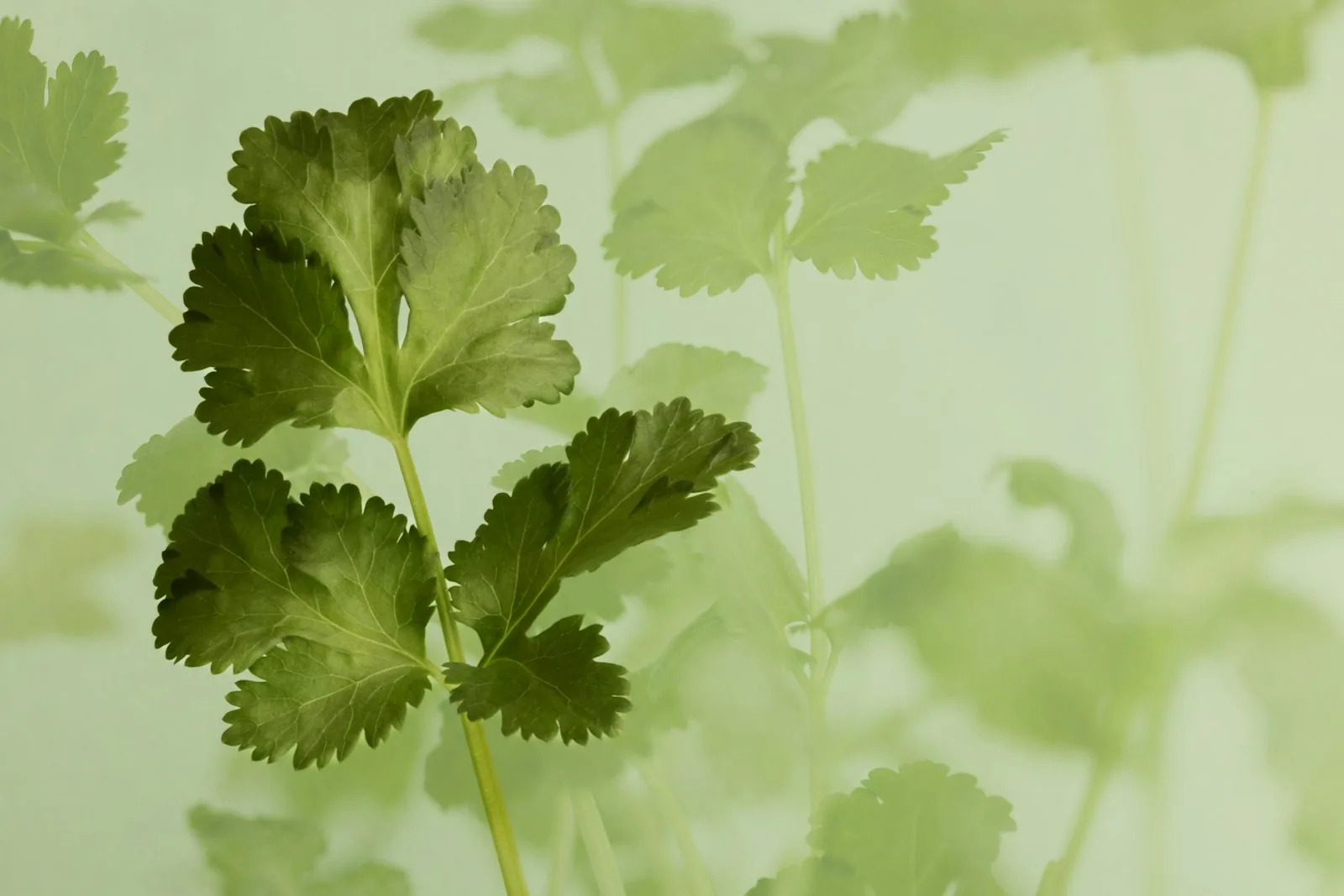
Fresh cilantro leaves with a soft green background
Photo: Unsplash on Unsplash

—- title: "Growing Cilantro Outdoors: Timing, Bolting, and Succession" slug: growing-cilantro hub: vegetables category: Herb description: "How to grow cilantro outdoors — planting timing to avoid bolt, succession schedule for zone 7a, slow-bolt varieties, and harvesting both leaves and coriander seed." date: 2026-06-10 updated: 2026-06-10 author: "Thomas A." reading_time: 7 —-

Coriandrum sativum is a cool-season herb that reliably frustrates gardeners who try to grow it through a hot summer. The plant bolts — sending up a flower stalk and transitioning from leaf to seed production — in response to warm temperatures and long days. No amount of water, shade, or attention reliably prevents bolt once conditions pass the plant's threshold. The practical solution is timing and succession planting, not bolt prevention.

I don't grow cilantro as a consistent staple the way I grow basil and parsley — the narrow bolt window in zone 7a requires more precise scheduling than most of my kitchen herb plantings. The information below is sourced from Extension research.

Quick Facts

AttributeDetail
Scientific nameCoriandrum sativum
Plant typeCool-season annual
USDA zonesAnnual in all zones; cool-season harvest zones 2–11
Cold toleranceTolerates light frost (to 28°F)
LightFull sun to partial shade
Soil pH6.2–6.8
Water1 inch per week; consistent moisture delays bolt
Zone 7a spring windowApril 1 – late May
Zone 7a fall windowLate August – October

Seasonal Behavior and USDA Zone Context

Cilantro is grown as an annual in all USDA zones. It germinates in cool soil (50°F minimum), grows best at 50–70°F, and bolts when daytime temperatures consistently exceed 75–80°F. Per NC State Extension Plant Toolbox, cilantro "bolts and goes to seed quickly in warm weather." This is not a stress response that can be corrected — it is the plant's natural progression triggered by temperature and day length.

Per Oregon State University Extension, cilantro can be "sown directly in the garden in early spring as soon as the soil can be worked." In zone 7a, this means late March to early April — well before the last frost, since cilantro tolerates light frost to about 28°F.

In zones 9–10, cilantro is grown in fall through winter and early spring, as summer temperatures are too extreme for any cilantro production.

Starting from Seed: Direct Sow Only

Per Oregon State University Extension, cilantro forms a taproot early and "resents transplanting." Direct sowing is the correct method. Transplants set back significantly after root disturbance and bolt faster than direct-sown plants.

What is sold as a "cilantro seed" is actually the dried fruit containing two seeds inside. Per NC State Extension Plant Toolbox, germination is more reliable if the seeds are "lightly crushed to separate the two halves" before sowing, exposing both seeds. Sow ¼–½ inch deep, ½ inch apart, and thin to 3–4 inches apart after germination.

Germination occurs in 7–14 days at soil temperatures of 55–70°F. Per Penn State Extension, avoid planting in soil warmer than 75°F — germination rate drops significantly and bolting is accelerated.

Succession Planting: The Only Way to Extend the Season

Per Penn State Extension, "successive plantings every 2 to 3 weeks" extend the harvest window. In zone 7a, a practical succession schedule:

Spring successions:

Fall successions:

Per NC State Extension, there is no productive cilantro window in zone 7a between mid-June and late August. The summer gap is unavoidable, and attempting to shade or water plants through it produces leggy, bitter foliage that bolts rapidly.

Slow-Bolt Varieties

Per Johnny's Selected Seeds cilantro growing guide, varieties such as 'Slow Bolt' and 'Calypso' extend the leaf harvest by "up to 3 weeks longer" than standard types before bolting under warm conditions. This does not eliminate the summer gap in zone 7a but can extend the spring season into early June in a cool year.

Other varieties with noted bolt resistance:

Per Johnny's Selected Seeds, all slow-bolt varieties produce the same flavor as standard cilantro — cultivar selection is purely about timing, not taste.

Light Requirements

Per NC State Extension Plant Toolbox, cilantro "grows in full sun to partial shade." Partial afternoon shade in the spring and fall windows can slightly slow bolting by reducing heat accumulation, but the effect is modest. In cool spring weather (below 70°F), full sun is optimal for growth rate.

Soil

Per Penn State Extension, cilantro "prefers well-drained, fertile soil with a pH of 6.2 to 6.8." Consistent soil moisture delays bolting — dry soil stresses the plant and accelerates the transition to flowering. Incorporating compost before planting improves moisture retention and fertility.

Watering

Per NC State Extension, 1 inch of water per week keeps cilantro in active vegetative growth longer. Dry periods accelerate bolting. Consistent moisture is particularly important during the spring window when temperatures can shift quickly. Water at the base to keep foliage dry — wet foliage in cool spring weather can encourage foliar disease.

Fertilizing

Per Penn State Extension, cilantro benefits from a light application of balanced fertilizer at planting. A topdressing of compost at sowing or a light application of Espoma Plant-tone (5-3-3 organic) provides adequate fertility for the short growing season. Avoid high-nitrogen fertilizers, which can produce leafy growth but do not slow bolting in warm weather.

Harvesting Leaves

Begin harvesting once plants are 4–6 inches tall with 3–5 leaf pairs. Cut the outer leaves from the base, leaving the central growing rosette intact to continue producing. Per Penn State Extension, cut no more than one-third of the plant at one time. As temperatures rise and bolt approaches, harvest more aggressively — the leaf harvest window is finite.

Fresh storage: Cilantro is best used within 2–3 days of harvest. Stand stems in a glass of water and cover loosely with a plastic bag; refrigerate. Per NC State Extension, cilantro is one of the most perishable herbs — refrigerated stems lose quality quickly compared to basil or parsley at room temperature.

Freezing: Chop fresh cilantro and blend with water or oil; freeze in ice cube trays. Frozen cilantro works in cooked applications (soups, curries, sauces) but loses the bright flavor that makes fresh cilantro distinctive in fresh salsas and salads.

Drying: Cilantro dries poorly — volatile flavor compounds largely evaporate. Per Clemson HGIC, dried cilantro "has little resemblance to the fresh herb" in flavor. If preserving the harvest is the goal, freezing is significantly superior to drying.

Coriander Seed Harvest

When cilantro bolts and flowers, the resulting dried seeds are coriander — a distinct spice with warm, citrusy, spice-rack flavor that bears little resemblance to fresh cilantro leaf.

Per NC State Extension Plant Toolbox, allow seed heads to dry on the plant until they turn light brown, then harvest before they shatter. Cut seed heads into a paper bag and allow to finish drying indoors. Thresh to separate seeds, remove debris, and store in airtight containers.

Coriander seed can be saved for planting the following season — per Penn State Extension, it stores well for 2–3 years.

Container vs. In-Ground

Cilantro grows in containers but has limitations: the taproot needs at least 8–10 inches of depth, and containers dry out faster than in-ground plantings, which accelerates bolting. Per Penn State Extension, use a container "at least 8 to 12 inches deep" and check soil moisture daily in warm weather.

In-ground direct sowing remains the preferred approach because it allows the taproot to develop fully without disturbance and the soil temperature and moisture are more stable than containers. If container growing is necessary (apartment balcony, rooftop garden), choose a deep container and increase the succession frequency to every 10–14 days rather than every 2–3 weeks.

Common Problems

SymptomCauseFix
Plant flowers rapidly after germinationTemperatures above 75°F; heat-induced boltAccept it — plant in fall window or wait for fall; succession-sow earlier next spring
Leggy, sparse leaf productionCrowding or insufficient lightThin to 3–4 inches between plants; ensure 4–6 hours sun minimum
Poor germinationOld seed; soil too warmUse fresh seed; sow when soil is 55–70°F
Wilted seedlingsTaproot damaged from transplantingDirect-sow only; do not transplant cilantro
Leaves taste bitter or soapyPartially genetic; also stress-relatedSome individuals genetically perceive cilantro aldehyde compounds as soapy; no fix
Thin, pale leaves in fallLight deficiency as days shortenAccept as days shorten; plant in sunnier location for fall succession

Frequently Asked

Why does my cilantro always bolt?

Because cilantro is a cool-season herb and temperatures above 75–80°F trigger the transition to flowering. Per NC State Extension Plant Toolbox, "bolting is inevitable in warm weather." No amount of shading or watering reliably prevents it in a zone 7a summer. The solution is timing, not technique: plant in early spring and restart in late August.

What is the difference between cilantro and coriander?

They are the same plant — Coriandrum sativum. "Cilantro" refers to the fresh leaves and stems; "coriander" refers to the dried seeds. The flavor is completely different: cilantro leaves are bright, herbal, and citrus-adjacent; coriander seed is warm, earthy, and spice-like. Per NC State Extension Plant Toolbox, both the leaf and seed are used in cooking, but they are not interchangeable.

Can I grow cilantro in a container?

Yes, but use a container at least 8–10 inches deep per Penn State Extension to accommodate the taproot. Check moisture daily in warm weather — containers dry out faster than in-ground soil, and dry soil accelerates bolting. A soil thermometer helps confirm soil temperature is in the 55–70°F germination range before sowing.

How do I save cilantro seed for planting?

Per NC State Extension Plant Toolbox, allow seed heads to turn brown on the plant before harvesting. Cut them into a paper bag. Finish drying indoors for 1–2 weeks, then thresh and store in an airtight container in a cool, dry location. Per Penn State Extension, cilantro seed retains good germination rates for 2–3 years when stored correctly.

—-

Sources

  1. NC State Extension Plant Toolbox &mdash; <a href="https://plants.ces.ncsu.edu/plants/coriandrum-sativum/">Coriandrum sativum (Cilantro)</a>.
  2. Oregon State University Extension &mdash; <a href="https://extension.oregonstate.edu/herbs">Herbs in the Garden</a>.
  3. Penn State Extension &mdash; <a href="https://extension.psu.edu/herb-gardening">Herb Gardening</a>.
  4. Johnny's Selected Seeds &mdash; <a href="https://www.johnnyseeds.com/growers-library/vegetables/cilantro/growing-cilantro.html">Growing Cilantro</a>.

Sources