Problem

How to Get Rid of Slugs in the Garden

title: "How to Get Rid of Slugs in the Garden"

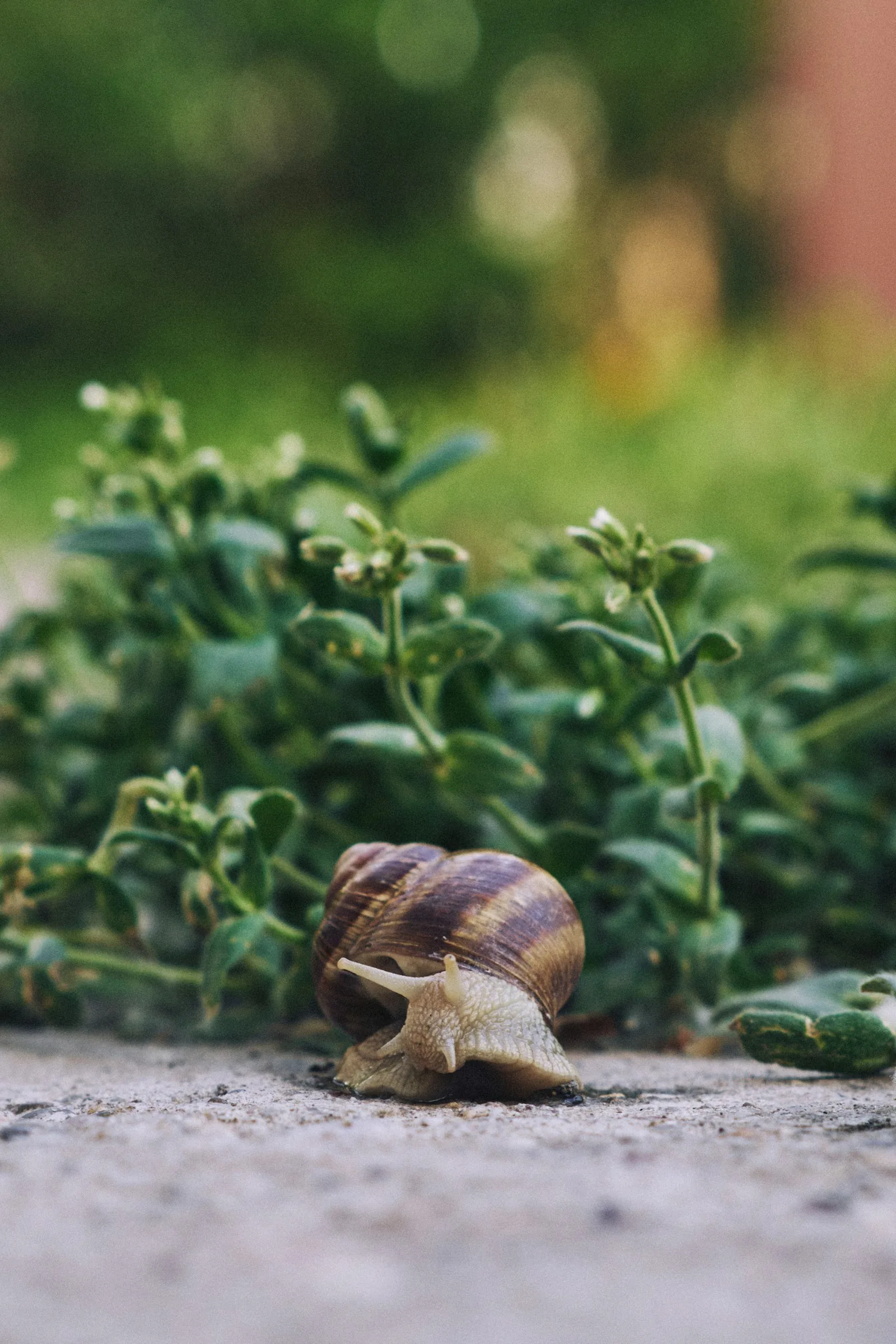
garden snail with patterned shell among green leaves
Photo: Unsplash on Unsplash

—- title: "How to Get Rid of Slugs in the Garden" slug: slugs-snails-garden hub: problems category: Problem description: "Slugs and snails cause distinctive ragged damage on tender plants. Learn to control them with iron phosphate bait, copper barriers, and habitat modification." date: 2026-06-10 updated: 2026-06-10 author: "Thomas A." reading_time: 8 —-

Slugs and snails cause some of the most recognizable damage in the garden — ragged, irregular holes in leaves, with a silvery slime trail as evidence. They are active at night and in wet weather, which is why gardeners often see the damage without seeing the culprit. In cool, moist climates and seasons, they can cause serious damage to hostas, lettuce, strawberries, and young seedlings.

In my Melville garden, slugs are a consistent problem on the hostas — the large-leaved varieties in shadier spots are hit every spring and early summer. The damage is cosmetic; an established hosta handles it. But in the vegetable garden and around young transplants, slug pressure can be severe enough to require active management.

Table of Contents

  1. Identification and Biology
  2. Damage Pattern
  3. Conditions That Favor Slugs
  4. Control Methods
  5. Habitat Modification
  6. Plants Most at Risk
  7. Common Situations Table
  8. Frequently Asked

Identification and Biology

Per Oregon State Extension's slug management guide, the most common garden slug species in North America are the gray garden slug (Deroceras reticulatum), the banana slug (Ariolomax columbianus) in the Pacific Northwest, and the European black slug (Arion ater). Snails (family Helicidae) cause similar damage and are managed the same way.

Key traits:

Damage Pattern

Per Oregon State Extension, slug and snail feeding produces:

The damage pattern is most visible the morning after a wet night. If the holes are ragged and you see a slime trail, slugs are the cause.

Conditions That Favor Slugs

Per Oregon State Extension, slug populations are highest when:

In zone 7a gardens, slug pressure is highest in April—June and September—October when temperatures are cool and moisture is high. Hot, dry July—August conditions reduce slug activity significantly.

Control Methods

Iron Phosphate Bait (First-Line Treatment)

Per Oregon State Extension, iron phosphate baits (Sluggo (iron phosphate slug bait), Escar-Go, Sluggo (iron phosphate slug bait) Plus) are the recommended first-line treatment for slug and snail control. The active ingredient, iron phosphate, occurs naturally in soil and breaks down into iron and phosphate — soil nutrients. It is:

Per UC IPM, scatter bait lightly on the soil surface around affected plants. Do not pile it in clumps — small amounts spread over a wide area is more effective because slugs encounter bait while moving. Reapply after heavy rain and every 1—2 weeks during peak season.

Sluggo (iron phosphate slug bait) Plus adds spinosad to the iron phosphate base, which extends effectiveness to earwigs and other insects but reduces the product's bee safety. Standard Sluggo (iron phosphate slug bait) (iron phosphate only) is safer around pollinators.

Per UC IPM, metaldehyde is more immediately effective than iron phosphate but is significantly more toxic to birds, wildlife, and pets if ingested. Per Oregon State Extension, metaldehyde is not recommended in gardens where children, pets, or wildlife may access it. Given that iron phosphate provides comparable control with much lower risk, metaldehyde is not the appropriate first choice.

Copper Barriers

Copper creates a galvanic reaction that repels slugs when they contact it. Per UC IPM, copper tape or copper mesh placed around raised beds, planters, or individual plants creates a physical barrier. The barrier must be at least 4 inches tall and must be breached-free — slugs will find any gap.

Practical limitations: copper barriers are expensive, labor-intensive to maintain over a large area, and lose effectiveness as they oxidize. They are most practical for protecting individual containers or small raised beds.

Beer Traps

Beer traps (shallow dishes filled with beer, sunk to soil level) attract and drown slugs. Per UC IPM, beer traps are useful for monitoring slug populations and can reduce numbers in a localized area, but are not sufficient as the sole management tool for heavy infestations. Use yeast in water as an alternative if beer is not available.

Nighttime Handpicking

Per Oregon State Extension, going out with a headlamp one to two hours after dark, when slugs are actively feeding, allows direct collection and disposal. Drop into soapy water or salt. This is practical and effective for small gardens; time-consuming for large areas.

Habitat Modification

Long-term reduction of slug populations requires reducing shelter and drying conditions. Per Oregon State Extension:

Plants Most at Risk

Per Oregon State Extension and UC IPM:

High susceptibilityModerate susceptibilityGenerally tolerated
Hosta (all)Tomato (young plants)Established woody shrubs
Lettuce and salad greensPepperMost grasses
Seedlings of all typesMarigoldRosemary, lavender
StrawberryDahliaFerns (many)
BasilDaylilyBlack-eyed Susan
Brassica seedlingsIrisConeflower

Hostas are the most consistently mentioned garden plant in slug literature because large-leaved, shade-grown hostas are the combination most favored by slugs: moist soil, shelter from large leaves, low light that keeps conditions cool.

Common Situations Table

SituationLikely causeAction
Ragged holes in hosta leaves + slime trailsSlug feedingIron phosphate bait; consider morning irrigation; reduce mulch
Entire seedlings disappearing overnightHeavy slug pressureIron phosphate bait immediately; transplant protection; check seedlings at night
Damage only after wet weatherNormal slug responseBait during wet stretches; remove debris
Damage in container gardenSlugs overwintering in containers or sheltering under potCheck under containers; apply bait; use copper tape
Bait applied but damage continuesInsufficient bait coverage; rain washing away baitReapply more widely; use fresh bait after rain

Frequently Asked

Does salt kill slugs?

Yes, but applying salt to slugs in the garden is not practical as a management strategy. Per UC IPM, salt poured on a slug kills it immediately through osmotic dehydration, but the salt accumulates in the soil and is harmful to plants. Salt from repeated applications will sterilize the soil area. Use soapy water for handpicking instead.

Is Sluggo (iron phosphate slug bait) safe for dogs?

Per Oregon State Extension, standard iron phosphate Sluggo is considered low-toxicity for mammals and is labeled for use around children and pets. However, Sluggo Plus (which contains spinosad) should be used with more caution around dogs. Read the label of the specific product. Metaldehyde baits are toxic to dogs and should not be used where dogs have access.

Why do I get slugs on hostas every year?

Per UC IPM, hostas provide ideal slug habitat: large leaves that create a cool, sheltered microclimate, typically grown in moist, shaded conditions with organic mulch. Slug eggs overwinter in the soil of the same beds year after year. Annual control is necessary; there is no permanent eradication. Applying iron phosphate bait in early spring before hosta leaves emerge, and again after emergence, reduces damage at the most vulnerable growth stage.

Do ducks or chickens eat slugs?

Yes. Per Oregon State Extension, ducks are particularly effective slug predators and will patrol garden beds, consuming slugs and eggs. In gardens where poultry is practical, ducks are a legitimate biological control. Chickens are less enthusiastic about slugs than ducks but will consume them. The management consideration is that poultry will also eat plants, so access to vegetable gardens needs to be managed.

—-

Recommended gear: Best [coneflower cultivars beyond purple](https://outdoorplantcare.com/plants/best-coneflower-cultivars/) — our buyer's guide covering picks for every budget, ranked by Extension publication consensus and personal use.

Sources

  1. Oregon State Extension &mdash; <a href="https://extension.oregonstate.edu/insects-allies/slugs">Slug Management in Home Gardens</a>.
  2. UC IPM &mdash; <a href="https://ipm.ucanr.edu/PMG/PESTNOTES/pn7427.html">Snails and Slugs</a>.

Sources

  1. Oregon State Extension — Slug Management in Home Gardens.
  2. UC IPM — Snails and Slugs.