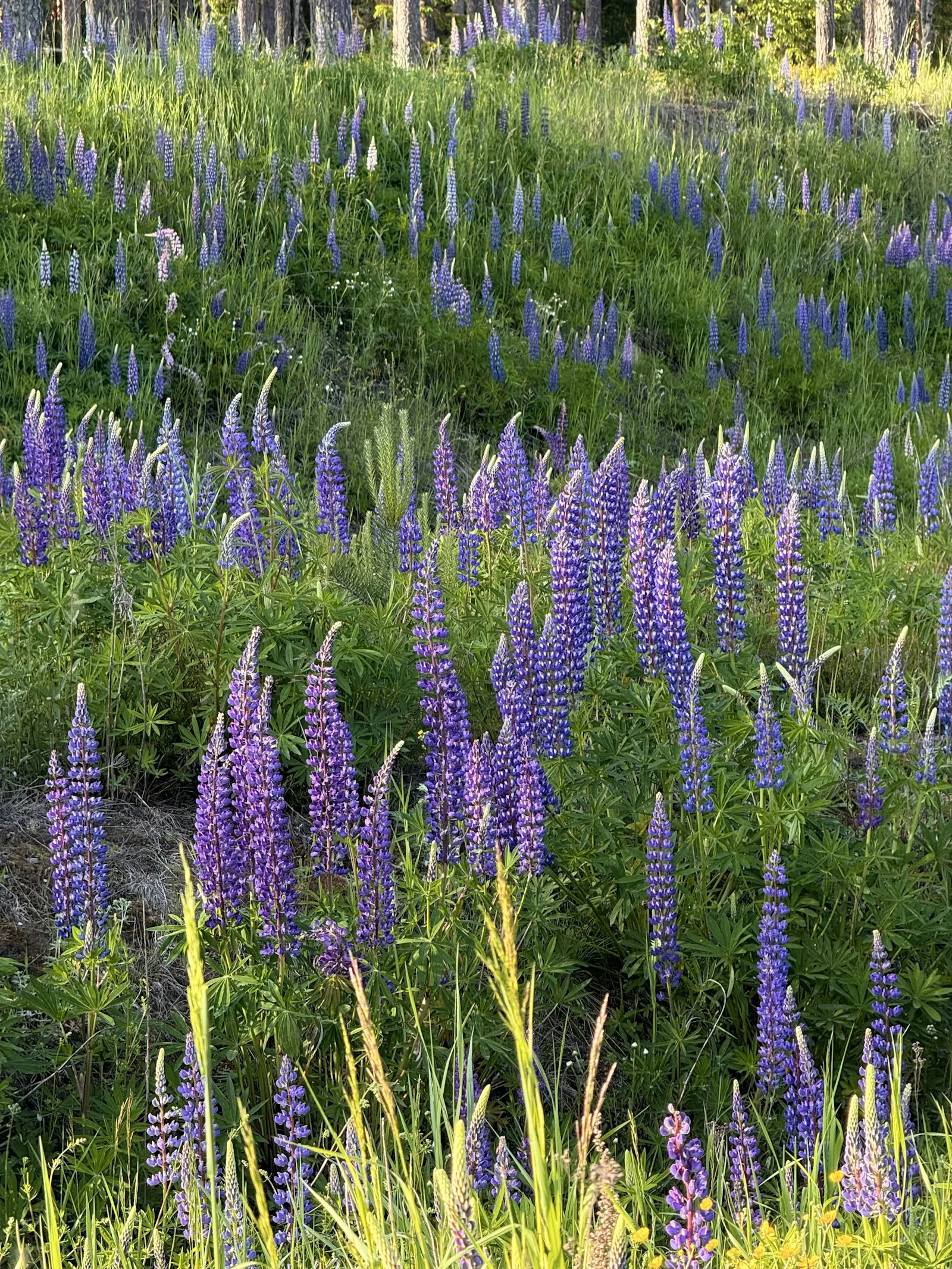
Lupinus polyphyllus and the Russell Hybrids derived from it produce some of the most striking flower spikes of any perennial — dense, tall columns in pink, red, purple, white, and bicolors, blooming in late spring through early summer. They are also among the more temperamental perennials for humid eastern U.S. gardens. Per Missouri Botanical Garden, lupines "prefer cool, moist climates" and "may be short-lived in hot, humid areas."
I don't grow lupines in my Long Island yard. The combination of warm summer nights, high humidity, and slightly alkaline sandy loam is not ideal for them, and they have a reputation for short lifespan in zone 7. This guide draws on Extension and botanical garden publications.
This article contains affiliate links. As an Amazon Associate, we earn from qualifying purchases - at no extra cost to you. We only recommend products we have personally tested or that are the universal first recommendation from university Extension publications. See our full disclosure.
Which lupine do you have?
Lupinus polyphyllus — the large-flowered perennial lupine native to western North America. The parent species for most garden lupines.
Russell Hybrids — developed by English nurseryman George Russell in the 1930s. Per Missouri Botanical Garden, these are the most widely sold garden lupines — tall (to 4 feet), large-spiked, available in a wide color range. They grow 3–4 feet tall and are the standard for perennial borders.
Gallery Series and Popsicle Series — dwarf types reaching 18–24 inches. Per NC State Extension Plant Toolbox, these are more compact choices for smaller spaces or containers.
Native western lupines (Lupinus perennis, eastern wild lupine) — L. perennis is native to eastern North America and better adapted to eastern U.S. conditions than the Pacific Coast species. Per Missouri Botanical Garden, L. perennis is the larval host of the endangered Karner blue butterfly and is important ecologically. It is smaller (12–24 inches) and more tolerant of dry, sandy, acidic conditions than the Russell Hybrids.
More like this, monthly
Get the seasonal care notes — no upsell, unsubscribe any time.
One email per month from Thomas: what to plant, what to prune, what's about to break. Cited the same way as the guides.
Free. No spam. Same author as the guide you just read.
Got it — check your inbox to confirm. Welcome.
Kill slugs, safe for pets
Iron phosphate baits stop slugs feeding within a day. Kids and pets can walk on treated soil safely — no metaldehyde poisoning risk. Read our full pick.