Species guide

Perennial Salvia Care: Complete Growing Guide

title: "Perennial Salvia Care: Complete Growing Guide"

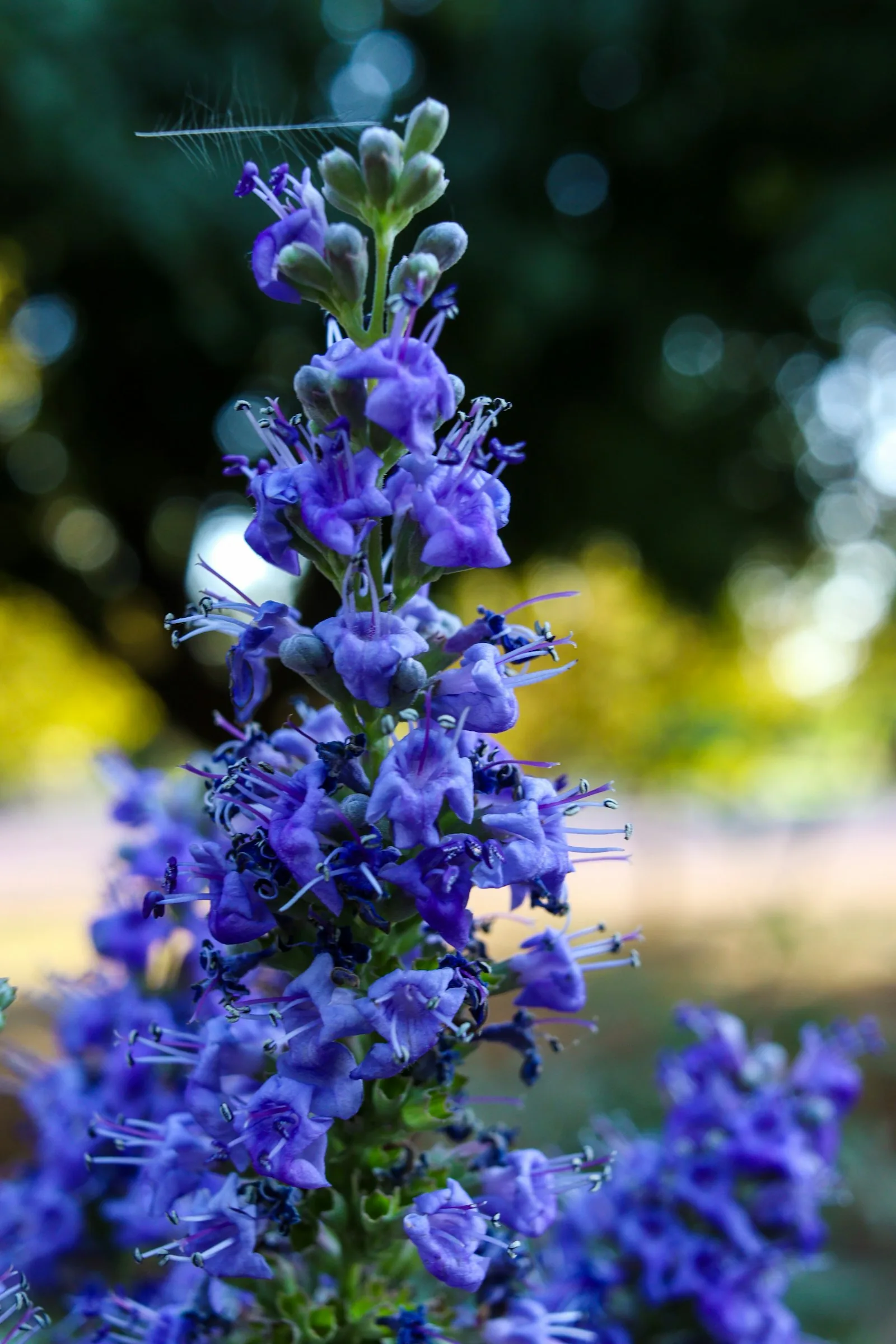
Close-up of a tall spike of purple flowers
Photo: Unsplash on Unsplash

—- title: "Perennial Salvia Care: Complete Growing Guide" slug: salvia-care hub: plants category: Species guide description: "How to grow perennial salvia (Salvia nemorosa) in zones 4–8. Planting, pruning, deadheading, and solving common problems. Sourced from Extension labs." date: 2026-06-10 updated: 2026-06-10 author: "Thomas A." reading_time: 9 scientific: "Salvia nemorosa" zones_min: 4 zones_max: 8 sun: "full sun" deer_resistant: true native: false pollinator: true bloom: "summer" height_min: 1 height_max: 3 —-

Perennial salvia is one of the few plants I'd recommend to anyone who has killed everything else. Salvia nemorosa is drought-tolerant, long-blooming, attractive to pollinators, and almost entirely ignored by deer. It blooms reliably even in the sandy loam of central Long Island, which drains fast and runs lean. Most problems with salvia come down to two mistakes: planting it in poorly drained soil, and not cutting it back after the first flush.

Which salvia do you have?

The word "salvia" covers several hundred species. For perennial gardens in the eastern United States, you are most likely dealing with one of three groups:

Salvia nemorosa and its hybrids — the most common perennial salvias sold in North American garden centers. Species and named cultivars include 'Caradonna' (deep violet stems), 'May Night' ('Mainacht' in its German original, an RHS Award of Garden Merit winner), and 'East Friesland'. Per Missouri Botanical Garden, these grow 18–24 inches tall and wide and are hardy in zones 4–8.

Salvia x sylvestris — hybrid crosses between S. nemorosa and S. pratensis. 'Blue Hill' ('Blauhugel') and 'Rose Queen' fall here. Per NC State Extension Plant Toolbox, these perform similarly to S. nemorosa in zones 4–8.

Salvia officinalis — common garden sage, which is technically a short-lived perennial or woody sub-shrub rather than a true herbaceous perennial. Different care requirements; this guide focuses on the ornamental flowering types.

If the label just says "perennial salvia" with no species designation, you almost certainly have S. nemorosa or an S. x sylvestris hybrid.

USDA hardiness zones

Per Missouri Botanical Garden, Salvia nemorosa is reliably hardy in USDA zones 4–8. The species tolerates cold winters well but performs poorly in the heat and humidity of zones 9 and warmer. Per NC State Extension, it is native to central Europe and western Asia — climates with cold winters and dry, warm summers — which explains both its cold hardiness and its preference for good drainage.

Light

Full sun, defined as six or more hours of direct sun daily. Per Missouri Botanical Garden, S. nemorosa "does best in full sun" and will bloom less prolifically in partial shade. In zones 7 and warmer, a site with morning sun and light afternoon shade extends bloom quality in July and August — midday heat tends to fade the flower color faster in full southern exposure.

Planting perennial salvia under tree canopy or on the north side of a fence is a reliable way to get a leggy plant that rarely blooms. These plants evolved in open meadows and grassland edges, not under shade.

Watering

Once established, perennial salvia is notably drought-tolerant. Per Penn State Extension, established perennials in average garden soils require 1 inch of water per week during the growing season. Salvia is at the low end of that range — in clay-amended soils with mulch, established plants can go 10–14 days without rain in midsummer without wilting.

The critical watering period is the first season after planting, when the root system is establishing. Water newly planted salvia to keep the top 6 inches of soil consistently moist for the first 4–6 weeks. After that, back off.

The common mistake: overwatering in heavy clay. S. nemorosa is highly susceptible to root rot in poorly drained soils. If your garden clay stays wet for several days after rain, amend the planting area deeply with compost and coarse grit before planting, or choose a raised bed or bermed location.

Soil

Per Missouri Botanical Garden, perennial salvia tolerates "a wide range of well-drained soils, including poor, dry soils." The key word is drained. Soil pH of 6.0–7.0 is ideal, per NC State Extension. This is a plant that genuinely does better in slightly lean soil than in over-enriched garden beds — excess fertility produces floppy stems and reduced bloom intensity.

In native Long Island sandy loam, no soil amendment is necessary for salvia. In heavier soils, incorporate 2–3 inches of compost into the top 12 inches before planting.

Fertilizing

Salvia is a light feeder. Per Clemson Extension HGIC, a single application of a balanced slow-release fertilizer in early spring is sufficient for most perennials. For salvia in average soil, even that can be reduced — a topdressing of compost in early spring is often enough. Excess nitrogen produces lush foliage at the expense of flowers and creates soft stems that flop.

Skip fertilizing entirely if you notice the plant growing vigorously and producing adequate bloom. Apply a soil test kit every three years to check pH and baseline nutrient levels rather than feeding on a calendar schedule.

Deadheading and pruning

This is where most salvia gardeners leave performance on the table.

After the first flush: Per NC State Extension, cutting spent flower spikes back by two-thirds after the first bloom encourages a second and sometimes third flowering period. Do this with bypass pruners or sharp shears — cut back into the green foliage mound, removing all spent spikes. In zones 5–7, the first flush typically finishes in late June to early July; cutting back in early July often produces a second flush in August.

Fall cleanup: Per Missouri Botanical Garden, cut the plant back to the basal rosette of leaves in late fall or early spring. In zones 5–6, leaving the old stems through winter provides some crown insulation; clean up in early March before new growth begins.

Every 3–4 years: Divide crowded plants in early spring. Per Penn State Extension, clump division revitalizes older perennials that have become woody or sparse at the center.

Companion plants

Perennial salvia is a natural companion for other sun-loving, well-drained-soil perennials with contrasting form:

Pests and diseases

Perennial salvia has few serious pest or disease problems. Per NC State Extension, it is resistant to deer and rabbits — the aromatic foliage is unappealing to browsers.

Powdery mildew is the most common disease issue, typically appearing in late summer during humid weather. Per Clemson Extension HGIC, good air circulation and avoiding overhead irrigation are the primary preventive measures. Cut the plant back after the first flush and the new foliage growing through late summer is usually clean. Varieties like 'Caradonna' have better mildew resistance than some older cultivars.

Root rot occurs in poorly drained soils. Symptoms include sudden wilting even when soil is moist. Per Penn State Extension, the fix is better drainage, not a fungicide — once crown rot is established, the plant rarely recovers. Dig it up, improve soil drainage, and replant.

Aphids occasionally colonize new growth in spring. Per NC State Extension, a hard spray of water from the hose dislodges most infestations. Established plants outgrow the damage quickly.

Deer pressure: in high-deer areas like Long Island, salvia's aromatic foliage makes it far less appealing than hostas, daylilies, or tulips. In over 6 years of growing various salvias in Melville, I have never seen deer damage on perennial salvia, while hostas three feet away get browsed repeatedly.

Common problems

SymptomMost likely causeFix
One bloom flush, no rebloomSpent spikes not removedCut back by two-thirds after first flush
Floppy, sprawling stemsExcess nitrogen; too much shadeReduce fertilizer; move to full sun
No blooms on established plantToo much shadeRelocate to 6+ hours direct sun
Sudden wilting with moist soilRoot rot from poor drainageImprove drainage; replace plant
White powder on leaves in late summerPowdery mildewImprove air circulation; cut back hard after bloom
Plant dies over winterNot truly perennial variety; or zone borderlineConfirm species; protect crown with mulch in zone 4
Sparse bloom after several yearsOvercrowded, woody crownDivide in early spring

Frequently asked

When does perennial salvia bloom?

Per Missouri Botanical Garden, Salvia nemorosa blooms from late spring through early summer — typically May through June in zones 5–7. With deadheading after the first flush, expect a second bloom in August, sometimes a third in September. Total bloom period with cutbacks can reach 10–12 weeks, which is exceptional for a perennial. Without cutbacks, the plant typically blooms for 4–6 weeks and then looks untidy for the rest of the season.

Is perennial salvia the same as culinary sage?

No. Perennial ornamental salvia — S. nemorosa and hybrids — is not culinary sage. Culinary sage is Salvia officinalis, a different species grown for its edible leaves. Per Missouri Botanical Garden, S. nemorosa is primarily ornamental and not typically used in cooking. The flowers of ornamental salvias are edible, but the foliage is strongly aromatic and bitter — not the flavor profile you want in pasta.

How do I keep salvia from getting leggy and flopping?

Per NC State Extension, flopping is primarily caused by excess nitrogen or insufficient light. Move the plant to a location with 6+ hours of direct sun, stop all fertilization or switch to a balanced low-rate slow-release product, and cut the plant back after each flush. Cultivars like 'Caradonna' have notably sturdier, upright stems compared to older varieties — if flopping is a persistent problem, replacing with 'Caradonna' or 'May Night' is the practical fix.

Does perennial salvia spread or become invasive?

Per NC State Extension, S. nemorosa spreads slowly by clump expansion and can self-sow lightly. It is not considered invasive in the United States. Deadheading spent spikes before seed set reduces self-sowing if that is a concern. The plant stays in a tidy mound and does not produce runners or stolons — it is not aggressive in mixed borders.

Recommended gear: Best bypass pruners: Felco vs Corona vs ARS tested — our buyer's guide covering picks for every budget, ranked by Extension publication consensus and personal use.

Sources

  1. Missouri Botanical Garden &mdash; <a href="https://www.missouribotanicalgarden.org/PlantFinder/PlantFinderDetails.aspx?kempercode=c843">Salvia nemorosa</a>.
  2. NC State Extension Plant Toolbox &mdash; <a href="https://plants.ces.ncsu.edu/plants/salvia-nemorosa/">Salvia nemorosa</a>.
  3. Penn State Extension &mdash; <a href="https://extension.psu.edu/perennials-in-the-landscape">Perennials in the Landscape</a>.
  4. Clemson Extension HGIC &mdash; <a href="https://hgic.clemson.edu/factsheet/perennial-garden-flowers/">Perennial Garden Flowers</a>.
  5. NC State Extension &mdash; <a href="https://plants.ces.ncsu.edu/plants/salvia-x-sylvestris/">Salvia x sylvestris</a>.

Sources