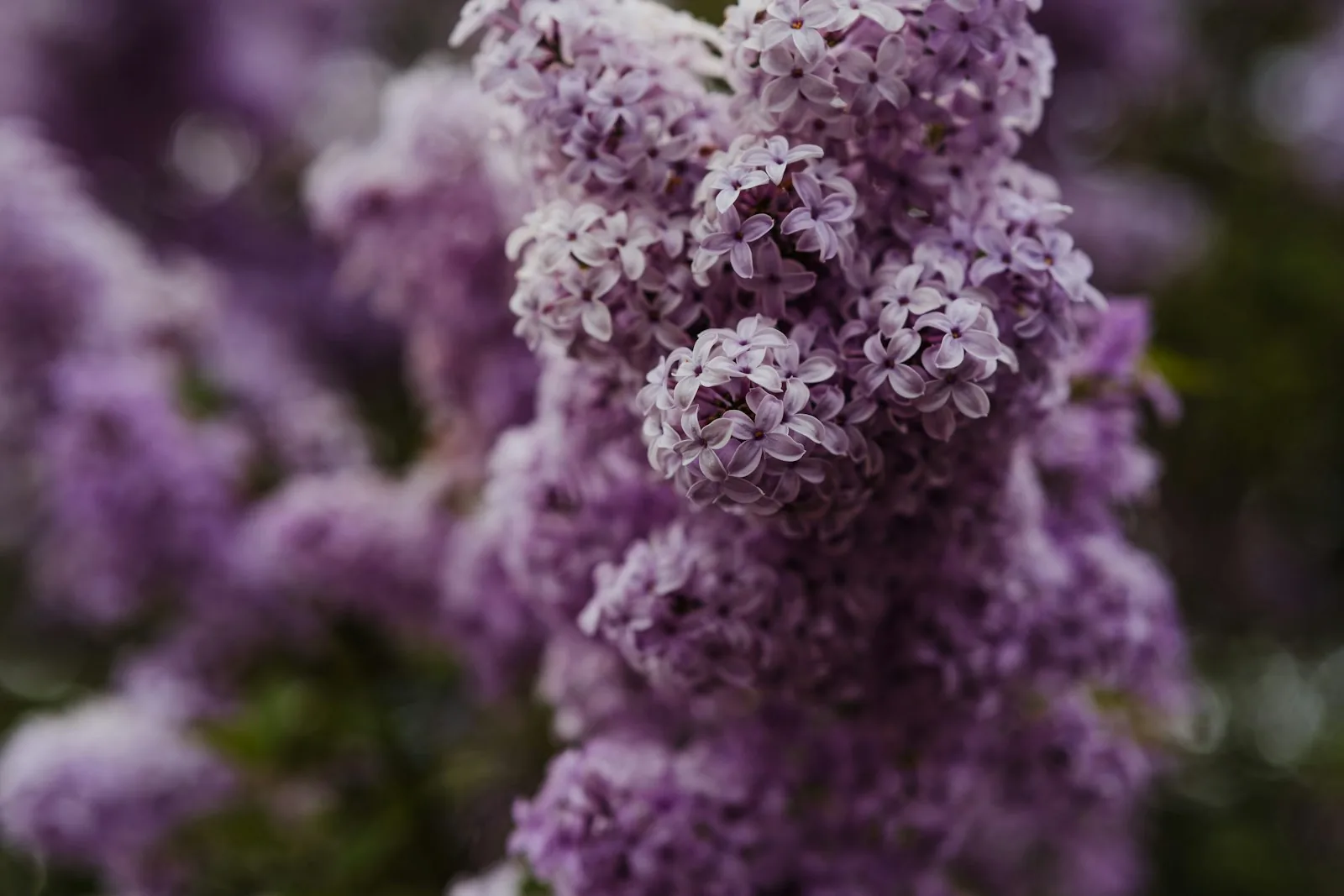
Syringa vulgaris — common lilac — is one of the most recognized flowering shrubs in North American gardens, valued primarily for its intensely fragrant flowers in shades of purple, lavender, pink, and white that bloom for 1–2 weeks in May. It is a long-lived woody shrub — per Missouri Botanical Garden, "long-lived" is the standard description, with documented plants persisting 100+ years around old farmhouses. The trade-offs: lilacs have a defined cold requirement that limits them in warm climates, they bloom only once per year, and they develop powdery mildew almost universally in humid eastern summers.
I don't grow lilacs in my current Long Island yard — the combination of our slightly alkaline sandy loam and the fact that our zone 7a climate is on the warm edge of their preferred range has made other shrubs a higher priority. This guide is sourced from Extension publications.
This article contains affiliate links. As an Amazon Associate, we earn from qualifying purchases - at no extra cost to you. We only recommend products we have personally tested or that are the universal first recommendation from university Extension publications. See our full disclosure.
Cold requirement — why lilacs fail in warm climates
Per Missouri Botanical Garden, common lilacs "require a distinct cold period to bloom well" — they need winter temperatures below 40°F for several weeks to months for flower bud development. In zones 7 and warmer, particularly in humid coastal areas, insufficient chilling hours result in poor or absent bloom.
Per Oregon State Extension, lilacs "are cold-hardy plants that prefer cool, temperate climates." Zone 7 is the practical southern limit for reliable performance. In zone 7a climates like Long Island, performance is inconsistent year-to-year depending on winter severity — some winters provide adequate chilling, others don't.
Gardeners in zones 7–9 who want lilac fragrance have better options: per Missouri Botanical Garden, Syringa x laciniata (cutleaf lilac) and S. meyeri 'Palibin' (dwarf Korean lilac) are more heat-tolerant and bloom more reliably in warm climates.
More like this, monthly
Get the seasonal care notes — no upsell, unsubscribe any time.
One email per month from Thomas: what to plant, what to prune, what's about to break. Cited the same way as the guides.
Free. No spam. Same author as the guide you just read.
Got it — check your inbox to confirm. Welcome.
Stop fungal disease early
Neem oil suppresses powdery mildew, black spot, and rust when sprayed at first sign. Cheaper than copper-based fungicides and safe on veg. Read our full pick.