How to Prune Flowering Shrubs: The Group 1, 2, 3 System
How to prune flowering shrubs — the Group 1/2/3 timing system explained, which shrubs go in each group, and the technique for each, so you stop accidentally removing next year's blooms.
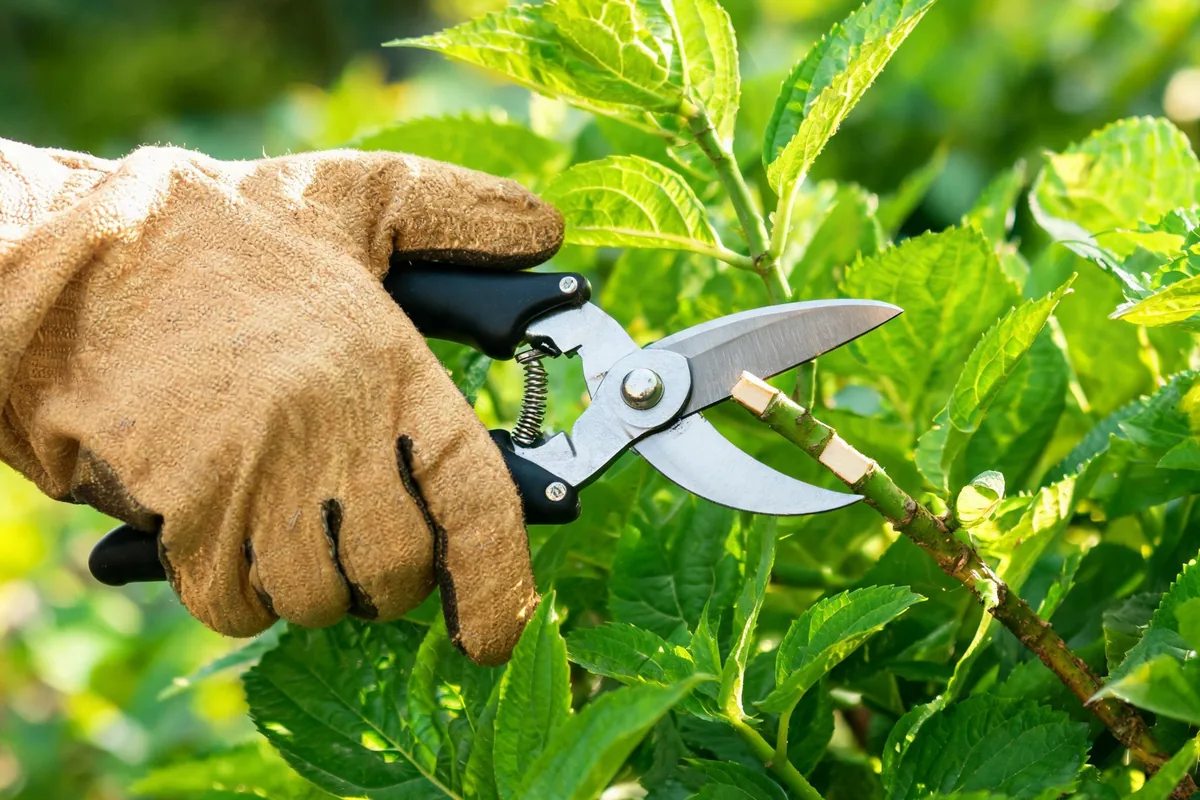
When to prune — the three groups
Group 1: Prune immediately after flowering (spring bloomers — old wood)
Spring-blooming shrubs set their flower buds on the current year's growth, then hold those buds dormant through fall and winter to open the following spring. Any pruning after early summer removes these stored buds. The window to prune is the 4–6 weeks immediately after the flowers fall.
Group 1 shrubs include: forsythia, azalea and rhododendron, lilac, flowering quince (Chaenomeles), spring-blooming spirea (bridal wreath, S. x vanhouttei), viburnum, mountain laurel, deutzia, mock orange (Philadelphus), weigela, beauty bush (Kolkwitzia), native azaleas. Per Penn State Extension, "all shrubs that bloom in spring before June set buds on old wood and must be pruned within 4–6 weeks of their bloom period."
Group 2: Prune in late winter or early spring (summer bloomers — new wood)
Summer-blooming shrubs set flower buds on the current season's new growth. Pruning in late winter or early spring removes the old growth before new growth emerges — this does not remove buds because buds haven't formed yet on the new growth. This pruning also often improves bloom quality by directing energy into fewer, stronger stems.
Group 2 shrubs include: crape myrtle (Lagerstroemia), rose of Sharon (Hibiscus syriacus), butterfly bush (Buddleia, though non-native), summer-blooming spirea (S. japonica), potentilla, panicle hydrangea (H. paniculata), smooth hydrangea (H. arborescens 'Annabelle'), hypericum, abelia. Per Clemson Extension HGIC, "shrubs that bloom on new wood are the most forgiving to prune — the timing is flexible as long as it occurs before new growth has begun in spring."
Group 3: Special cases
Bigleaf hydrangea (H. macrophylla) and mountain hydrangea (H. serrata): These bloom on old wood (like Group 1) but the buds are particularly vulnerable to cold damage in zones 5–6. The rule is: do not prune unless you're removing dead wood. Remove dead stems by cutting them to the ground; leave all live stems intact. Cutting living stems removes flower buds. Per Penn State Extension, "the most reliable bigleaf hydrangeas for zones 5–6 are the Endless Summer series, which bloom on both old and new wood — but even these bloom more heavily when old wood is preserved."
Oakleaf hydrangea (H. quercifolia): Minimal pruning needed and recommended. This is a Group 1 plant technically (old wood) but its main value is in the multi-season structure — the exfoliating bark and persistent seed heads. Prune only to remove dead wood or dramatically overlong stems, immediately after bloom in July.
Roses: Hybrid teas and grandifloras: hard prune in early spring, removing all dead wood and shaping to 3–5 healthy outward-facing canes. Shrub roses and modern landscape roses: light to moderate pruning in early spring, removing dead wood and 1/3 of the oldest, woodiest canes. Once-blooming roses and ramblers: prune like Group 1 — immediately after flowering — since they also bloom on old wood.