Herb

Growing Tarragon Outdoors: French vs. Russian, Care, Zones

title: "Growing Tarragon Outdoors: French vs. Russian, Care, Zones"

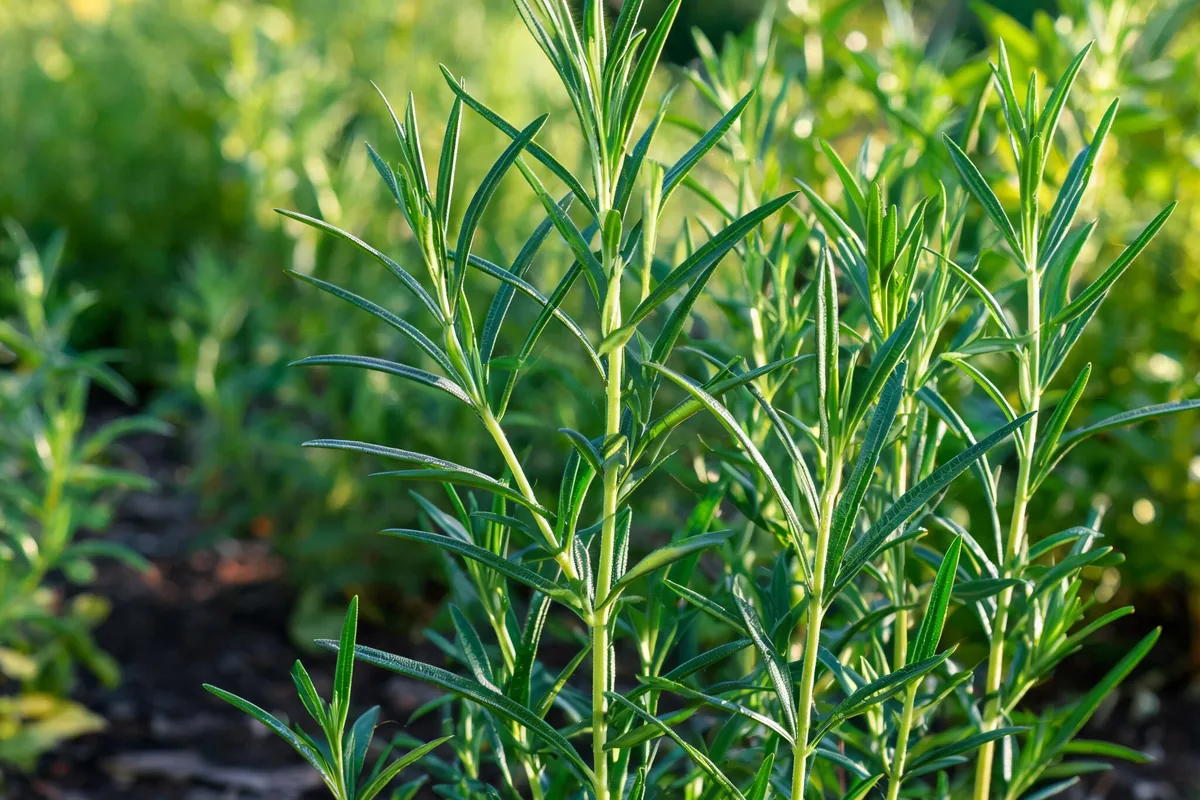
fresh dill herb with feathery foliage
Photo: Unsplash on Unsplash

—- title: "Growing Tarragon Outdoors: French vs. Russian, Care, Zones" slug: growing-tarragon hub: vegetables category: Herb description: "How to grow tarragon outdoors — French vs. Russian cultivar differences, hardiness zones 4–8, harvesting, overwintering, and container vs. in-ground guidance." date: 2026-06-10 updated: 2026-06-10 author: "Thomas A." reading_time: 7 —-

Artemisia dracunculus, tarragon, is a perennial herb where cultivar selection matters more than in almost any other herb on this list. French tarragon (A. dracunculus var. sativa) is the culinary standard — the herb used in classic French cooking for béarnaise, fines herbes, and chicken dishes. Russian tarragon (A. dracunculus var. inodorus) is similar in appearance but nearly flavorless, and widely sold at garden centers. Buying the wrong one is the most common tarragon mistake.

I don't grow tarragon at the Long Island plot — this guide is sourced from university Extension publications and cultivar trial data.

Quick Facts

AttributeDetail
Scientific nameArtemisia dracunculus var. sativa (French tarragon)
Plant typeHerbaceous perennial
USDA zones4–8 (French tarragon)
Cold toleranceHardy to -30°F (zone 4) with good drainage
LightFull sun, 6–8 hours minimum
Soil pH6.0–7.5
WaterDrought-tolerant once established; 1 inch per week until established
Mature size24–36 inches tall, 12–18 inches wide

USDA Hardiness Zone

Per Missouri Botanical Garden, French tarragon is hardy in USDA zones 4 to 8. It requires a cold winter dormancy period and does not thrive in zones 9–10, where winters are too mild to trigger proper dormancy. Per NC State Extension Plant Toolbox, it "dies back to the crown in winter" and re-emerges in spring.

In zone 7a Long Island, French tarragon is a reliable perennial. It emerges in April, produces through summer, and dies back after fall frost without requiring any winter protection in well-drained soil.

French Tarragon vs. Russian Tarragon: The Critical Distinction

Per Clemson HGIC, "French tarragon has a strong anise-like flavor" while Russian tarragon (A. dracunculus var. inodorus) is "nearly flavorless and not considered a culinary herb."

The practical difference:

Per Penn State Extension, "any tarragon grown from seed is Russian tarragon." If the plant came from a seed packet, it is Russian tarragon. The only way to obtain French tarragon is from a transplant, cutting, or division from an existing French tarragon plant.

To verify at purchase: crush a leaf and smell it. French tarragon has a distinct anise-licorice fragrance. Russian tarragon smells faintly grassy with no anise character.

Light Requirements

Per Clemson HGIC, tarragon requires "full sun — at least 6 to 8 hours of direct sunlight daily." In partial shade, growth is leggy and less flavorful. In hot climates (zones 7–8), light afternoon shade can reduce summer heat stress, but morning sun is important for dew evaporation and disease prevention.

Soil and Drainage

Per NC State Extension Plant Toolbox, French tarragon "prefers well-drained, fertile soil with a pH of 6.0 to 7.5." Like rosemary and thyme, it performs poorly in heavy, wet soil. The roots are particularly susceptible to rot in waterlogged conditions, especially in winter.

Per Clemson HGIC, tarragon planted in sandy or well-amended soil with good drainage is far more winter-hardy than the same variety planted in compacted clay. In heavy soils, raise the planting bed or plant in containers with a fast-draining mix.

Watering

Per Penn State Extension, established tarragon is "drought-tolerant" and needs approximately 1 inch of water per week during the establishment period. After the first growing season, supplemental irrigation is needed only during extended dry periods — 2 or more weeks without rain.

Consistent overwatering shortens the productive lifespan of tarragon significantly. Per Clemson HGIC, "more plants are killed by overwatering than by drought." In containers, allow the top inch of growing medium to dry between waterings.

Fertilizing

Per Penn State Extension, tarragon needs "minimal fertility." A light spring application of Espoma Plant-tone (5-3-3 organic) at half the label rate for perennial herbs is sufficient. High-nitrogen fertilizers reduce the essential oil concentration that gives French tarragon its characteristic flavor. In lean sandy soils, a midsummer side-dressing may help maintain productivity.

Pruning and Maintenance

Per Clemson HGIC, cut tarragon back by "one-half to two-thirds in midsummer" when plants become leggy and before flowering. This prevents the plant from going entirely to flower and promotes fresh vegetative growth for a second-season harvest.

In early spring, cut dead stubs from the previous season back to the crown as new growth emerges. Per Penn State Extension, tarragon "should be divided every 3 to 4 years" when growth in the center of the clump declines — divide in spring, replanting vigorous outer sections.

French tarragon does not flower significantly (it is sterile and produces only vestigial flowers), so deadheading is not a concern. This is one advantage over many other herbs.

Propagation

Because French tarragon is sterile and cannot be grown from seed, propagation is vegetative:

Harvesting and Storage

Per Clemson HGIC, begin harvesting tarragon once plants are established and 8–10 inches tall — typically 6–8 weeks after transplanting in the first year, and from early spring in subsequent years. Cut stem tips, removing no more than one-third of the plant per harvest.

The best flavor comes from young, actively growing tips. Per UMass Extension, harvest in the morning after dew has dried for peak essential oil content.

Fresh storage: Fresh tarragon is most flavorful but highly perishable — use within 2–3 days of harvest. Wrap in a damp paper towel and refrigerate, or stand sprigs in a small amount of water.

Drying: Tarragon dries acceptably but loses significant flavor compared to fresh. Per Clemson HGIC, bundle stems loosely and hang in a warm, dark, ventilated area for 1–2 weeks. Dried tarragon retains functional (if reduced) flavor for 6–12 months.

Freezing: Strip leaves from stems and freeze on a baking sheet, then transfer to a freezer bag. Per UMass Extension, freezing preserves more flavor than drying for tarragon. Frozen tarragon works in béarnaise, sauces, and cooked dishes.

Tarragon vinegar: The traditional preservation method. Pack fresh tarragon sprigs into a clean jar and cover with white wine vinegar. Allow to steep for 2–4 weeks, strain, and bottle. Per Penn State Extension, the vinegar "captures the herb's anise character" and keeps for a year at room temperature.

Container vs. In-Ground

Per Penn State Extension, tarragon grows well in containers with good drainage. Use a container at least 10–12 inches deep to accommodate the root system. A Smart Pot fabric container in 5-gallon size with added perlite provides the drainage French tarragon requires.

Container tarragon in zone 7a can overwinter outdoors in a protected location (against a wall, with the container elevated off the ground) if the root ball doesn't freeze solid. In zones 4–6, move containers to an unheated garage or cold frame — the plant needs cold dormancy but should not have its roots freeze completely.

In-ground planting is preferred for long-term production in zones 5–8. Established in-ground plants require only spring cleanup, light fertilizing, and midsummer cutting back.

Common Problems

SymptomCauseFix
No anise flavor in harvestRussian tarragon (grown from seed)Replace with French tarragon transplant from named source
Wilting despite moist soilRoot rot from overwatering or poor drainageCheck roots; improve drainage; reduce watering frequency
Leggy growth with sparse leavesInsufficient sun; needs cutting backMove to full sun; cut back by one-half in midsummer
Plant does not return in springWinter-killed due to wet soilImprove drainage; ensure well-drained soil before replanting
Yellow leavesOverwatering; nitrogen deficiencyReduce watering; light fertilizer application
Poor establishment in first yearTransplant shock or poor drainageKeep consistently moist for first 4–6 weeks; improve drainage

Frequently Asked

What is the difference between French and Russian tarragon?

Per Clemson HGIC, French tarragon (A. dracunculus var. sativa) has a "strong anise-like flavor" and is the culinary standard. Russian tarragon (A. dracunculus var. inodorus) is "nearly flavorless." French tarragon is sterile and must be purchased as a transplant; Russian tarragon grows from seed. The simplest identification test: crush a leaf and smell it — French tarragon has an unmistakable anise-licorice fragrance, Russian tarragon does not.

Is tarragon perennial?

French tarragon is perennial in zones 4–8. Per Missouri Botanical Garden, it is "hardy in zones 4 to 8" and dies back to the crown in winter, re-emerging in spring. In zones 9–10, it does not thrive because the winters are too mild for proper cold dormancy. Russian tarragon is technically perennial to zone 4 but is not worth growing for culinary purposes.

How do I preserve the tarragon harvest?

Per UMass Extension, freezing preserves more flavor than drying. Strip leaves, freeze on a baking sheet, then transfer to a freezer bag. Tarragon vinegar is the classic long-term preservation method: steep fresh sprigs in white wine vinegar for 2–4 weeks and strain. Per Penn State Extension, tarragon vinegar "captures the herb's anise character" and keeps for up to a year.

How often should I divide tarragon?

Per Penn State Extension, divide French tarragon every 3–4 years when the center of the clump becomes less productive. Divide in early spring before significant growth. Each division should have a section of root and several shoots. Dividing also provides new plants for expanding the planting or replacing aging sections.

—-

Sources

  1. NC State Extension Plant Toolbox &mdash; <a href="https://plants.ces.ncsu.edu/plants/artemisia-dracunculus/">Artemisia dracunculus (Tarragon)</a>.
  2. Missouri Botanical Garden &mdash; <a href="https://www.missouribotanicalgarden.org/PlantFinder/PlantFinderDetails.aspx?kempercode=d100">Artemisia dracunculus</a>.
  3. Clemson HGIC &mdash; <a href="https://hgic.clemson.edu/factsheet/tarragon/">Tarragon</a>.
  4. Penn State Extension &mdash; <a href="https://extension.psu.edu/herb-gardening">Herb Gardening</a>.
  5. UMass Extension &mdash; <a href="https://ag.umass.edu/herbs">Herbs</a>.

Sources