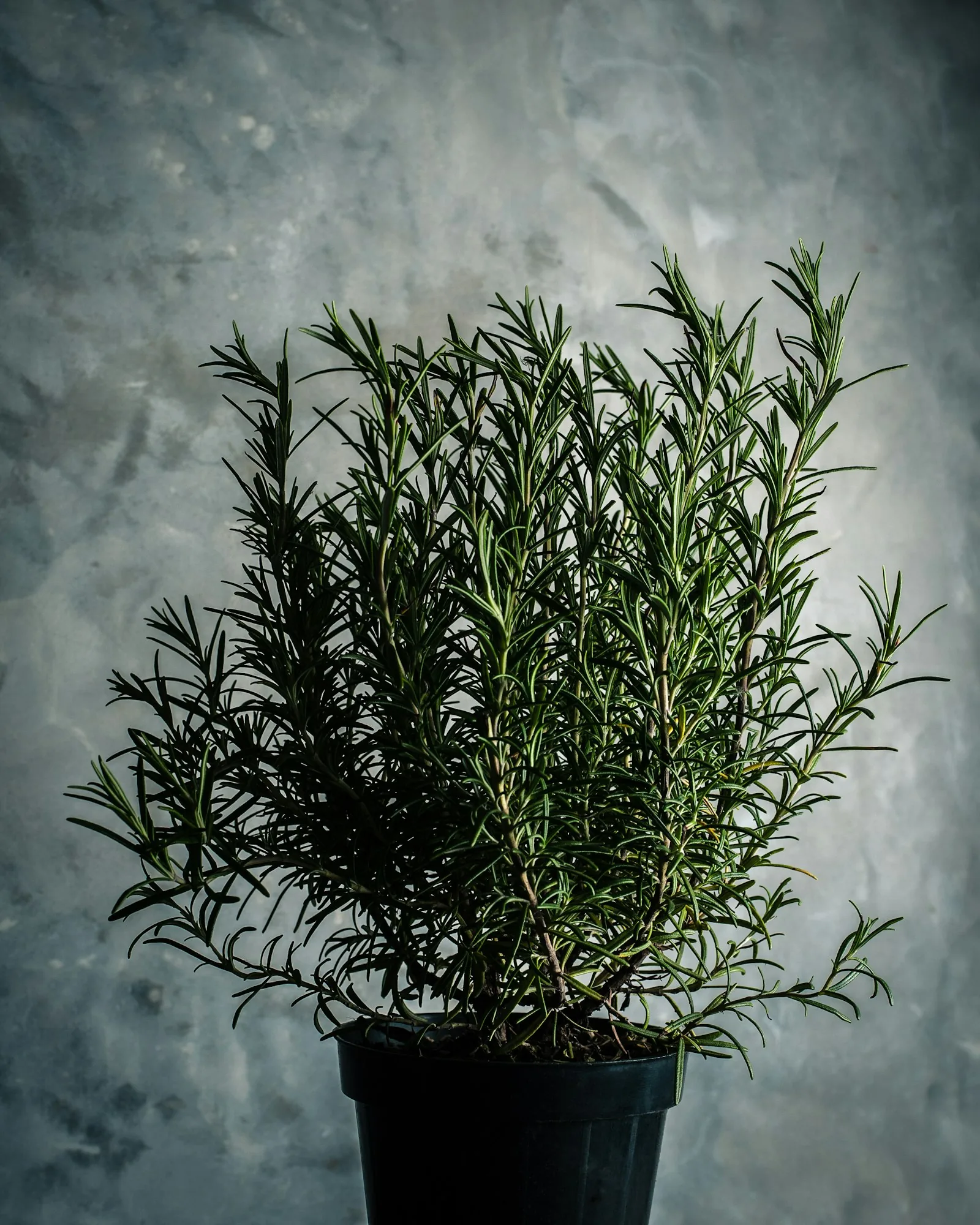
Salvia rosmarinus (formerly Rosmarinus officinalis) is a Mediterranean subshrub with specific cultural requirements that make it successful in some regions and frustrating in others. The most common failure mode is not drought, heat, or pests — it is poor drainage in winter and temperatures below its hardiness threshold. Understanding those two constraints shapes every decision in rosemary culture.
I don't grow rosemary as a perennial at my Long Island plot. Zone 7a is on the borderline of rosemary's reliable hardiness, and the poorly draining winters here are the wrong combination. I grow it as an annual or in containers brought inside for winter. The research and guidance below is sourced from university Extension publications.
This article contains affiliate links. As an Amazon Associate, we earn from qualifying purchases - at no extra cost to you. We only recommend products we have personally tested or that are the universal first recommendation from university Extension publications. See our full disclosure.
Quick Facts
Attribute
Detail
Scientific name
Salvia rosmarinus (syn. Rosmarinus officinalis)
Plant type
Evergreen subshrub; perennial in zones 8–10
USDA zones
Perennial zones 8–10; marginal zone 7; annual zones 2–6
Cold tolerance
Most cultivars hardy to 10–15°F (zone 7/7a borderline)
Light
Full sun, 6–8 hours minimum
Soil pH
6.0–8.0 (tolerates alkaline)
Water
Drought-tolerant once established; 1 inch per week until established
Zone 7a plant date
Late April–May (after last frost)
More like this, monthly
Get the seasonal care notes — no upsell, unsubscribe any time.
One email per month from Thomas: what to plant, what to prune, what's about to break. Cited the same way as the guides.
Free. No spam. Same author as the guide you just read.
Got it — check your inbox to confirm. Welcome.
The pruners we use every day
The Felco F-2 is the gold standard — cuts up to 1-inch branches cleanly, every part replaceable, will outlast you. Read our full pick.