Herb

Growing Mint Outdoors: Container and In-Ground Guide

title: "Growing Mint Outdoors: Container and In-Ground Guide"

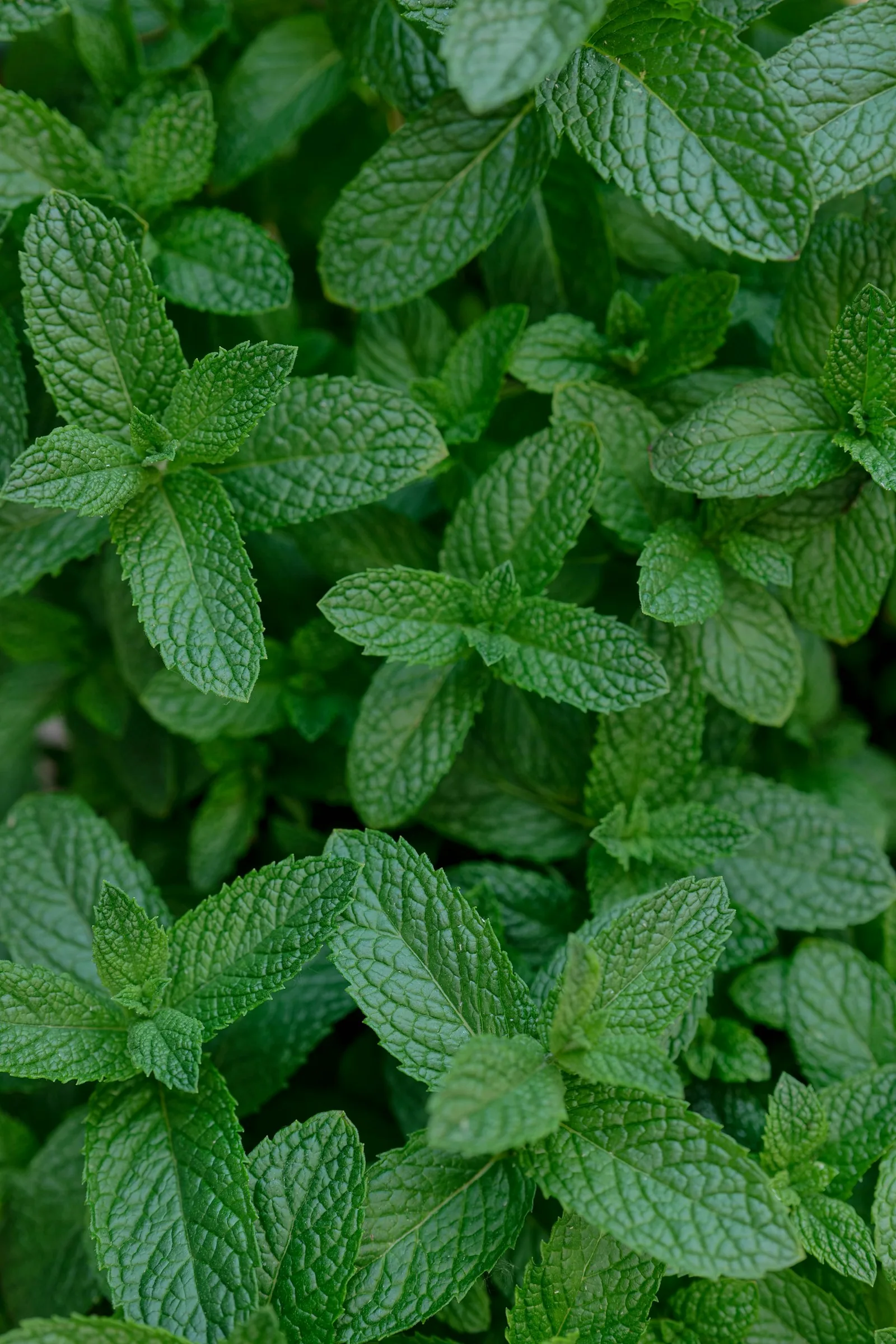
Fresh, lush mint leaves in close-up
Photo: Unsplash on Unsplash

—- title: "Growing Mint Outdoors: Container and In-Ground Guide" slug: growing-mint hub: vegetables category: Herb description: "How to grow mint outdoors — containment strategies, species differences, hardiness zones 3–9, harvesting, overwintering, and preventing invasive spread." date: 2026-06-10 updated: 2026-06-10 author: "Thomas A." reading_time: 7 —-

I keep mint in a container. I have for years, and I have no regrets about that decision. Every season I see someone at the local garden swap talking about how their mint "got away from them" in the back bed — usually two to three years in, after it has established a root network that takes a full day to excavate. The containment advice is not overcautious. It is the first and most important thing to know about Mentha spp.

That said, contained mint is one of the most productive and useful herbs in a kitchen garden. A five-gallon pot in morning sun, kept cut back, provides more mint than most households can use.

Quick Facts

AttributeDetail
Scientific nameMentha spp.
Plant typeHerbaceous perennial
USDA zones3–9 (species-dependent; most common types zones 3–8)
Cold toleranceHardy to zone 3; dies back to ground in winter, re-emerges in spring
LightFull sun to partial shade
Soil pH6.0–7.0
WaterModerate; prefers consistently moist soil
ContainmentRequired — plant in containers or with root barrier

USDA Hardiness Zone

Per Clemson HGIC, most common mint species are "hardy to zone 5 or colder." Spearmint (Mentha spicata) and peppermint (M. x piperita) are reliably perennial through zone 3 in well-drained soil. Per Penn State Extension, mint "is one of the most cold-tolerant culinary herbs, re-emerging reliably from the root each spring."

In zone 7a Long Island, container mint outdoors overwinters without any protection. The top growth dies back after hard frost, but the root system survives in the container as long as the container doesn't freeze solid. My container plants have come back without fail every March for five-plus years.

Mint Species: Which One Are You Growing?

Several species are commonly sold under the label "mint," with distinct flavors and uses:

Per Clemson HGIC, all Mentha species spread via underground rhizomes and should be managed identically — containers or root barriers — regardless of species.

The Containment Problem

Per Penn State Extension, "mint spreads by underground rhizomes and can quickly take over a garden bed." The rhizomes grow horizontally at 4–6 inches below soil level and can extend 8–12 feet from the parent plant in a single growing season under ideal conditions.

Options for management:

  1. Container culture: A 5-gallon container with a drainage hole stops spread entirely. This is the method I use. Per Clemson HGIC, containers "control spread effectively." The container must have drainage — mint does not tolerate waterlogged roots.
  2. Buried root barrier: For in-ground plantings, bury a physical barrier (heavy plastic sheeting or commercial root barrier) at least 12 inches deep around the planting area. Per Clemson HGIC, the barrier must extend above the soil surface to prevent rhizomes from running over the top. This requires vigilance — rhizomes that escape over or under the barrier re-establish quickly.
  3. Sunken container: Sink a 5-gallon pot to the rim in the garden bed. The pot controls spread while maintaining the "planted in the ground" appearance.

There is no reliable herbicidal approach that eliminates established mint without also damaging other plants. Physical removal is the only cure once mint is established in a bed.

Light Requirements

Per Clemson HGIC, mint "prefers partial shade to full sun." Unlike rosemary and thyme, mint tolerates and often performs well with some afternoon shade, particularly in hot climates. In zone 7a, morning sun with afternoon shade produces better leaf quality than all-day full sun, which can cause wilting and leaf scorch during July heat. Full sun with consistent moisture also works.

Soil and Watering

Per Penn State Extension, mint "prefers moist, well-drained, fertile soil with a pH of 6.0 to 7.0." Unlike the Mediterranean herbs, mint evolved in riparian environments and prefers more moisture than rosemary or thyme — consistently moist but not waterlogged.

In containers, check moisture every 1–2 days in summer. Mint will wilt noticeably when water-stressed, and the leaves become more bitter. Keep the container on a saucer (filled with gravel, not water) to avoid root rot from standing water.

Fertilizing

Per Penn State Extension, mint benefits from a light application of balanced fertilizer in spring as new growth emerges. Espoma Plant-tone (5-3-3 organic) at the label rate for perennials is appropriate. Container mint leaches nutrients more quickly than in-ground plants and benefits from a second light feeding at midsummer if growth slows.

Pruning and Harvesting

Per Clemson HGIC, "regular harvesting prevents woodiness and keeps plants producing new, tender growth." Harvest by cutting stems to just above a leaf node — new growth will emerge from the node below the cut. Cut back by one-third to one-half in midsummer if the plant becomes leggy, flowering heavily, or woody.

The best harvests come from stems that have not yet flowered. Once mint flowers, leaf flavor declines slightly and the plant directs energy toward seed production. Pinch or cut flowering stems as they appear if you want continued leaf production.

My practice: cut the container plant back to 4–5 inches in late June or early July, removing the full season's growth. It fully re-grows by August and produces fresh, tender leaves for the rest of the season.

Storage: Fresh mint keeps 1–2 weeks refrigerated, wrapped loosely in a damp paper towel. It also dries reasonably well — bundle and hang in a ventilated area for 1–2 weeks. Per Clemson HGIC, dried spearmint and peppermint retain good flavor for 6–12 months when stored in airtight containers. Freezing works for cooked applications; frozen mint loses the texture that makes fresh mint appealing as a garnish.

Container Culture: Full Details

The 5-gallon container is the standard recommendation in both my practice and every Extension source I've consulted. A Smart Pot 15-gallon fabric container works well and eliminates any concern about root circling or drainage — fabric containers air-prune roots and prevent the chronic waterlogging that kills mint in plastic containers with poor drainage.

For containers smaller than 5 gallons: expect more frequent watering and more restricted root space. A 3-gallon container works for one plant; anything smaller tends to dry out too quickly and restricts productivity.

Per Clemson HGIC, container mint can be "brought indoors in fall" and will continue producing on a sunny windowsill through winter. A south-facing window provides adequate light. The plant will grow slowly indoors and benefit from a more consistent moisture regimen than outdoor growing allows.

Overwintering

Per Clemson HGIC, mint is hardy to zone 5 and overwinters "in-ground or in an unheated garage if the container does not freeze solid." In zone 7a, container mint outdoors overwinters reliably. I leave my containers outside after the top growth dies back from frost, and new growth emerges in March without any additional care.

The risk in containers is the root ball freezing solid in a very cold winter. A large container (5+ gallons) provides more thermal mass than a small one and reduces this risk. In zone 5 or colder, move containers to an unheated but frost-protected space (unheated garage, shed, or cold frame) for winter.

Common Problems

SymptomCauseFix
Mint spreading throughout garden bedUnderground rhizomesRemove and replant in container; install 12-inch root barrier
Wilting leavesWater stressWater more consistently; mulch surface of container to retain moisture
Rust (orange pustules on undersides of leaves)Puccinia menthae (mint rust fungus)Remove and destroy affected leaves; per Clemson HGIC, do not compost; avoid overhead watering
Aphids on growing tipsAphid coloniesDislodge with water; apply insecticidal soap if severe
Woody, sparse growthNeglected pruning; root-bound containerCut back hard; repot into larger container or divide roots
Reduced flavorPlant flowering or heat-stressedCut back to 4–5 inches; improve watering consistency

Frequently Asked

Why should I grow mint in a container?

Per Penn State Extension, mint "spreads by underground rhizomes and can quickly take over a garden bed." A single plant established in-ground can spread 8–12 feet in a season. Containers stop this spread completely. The productivity and flavor of container mint is equal to in-ground mint — the only difference is that you control its footprint.

Which mint species is best for cooking?

It depends on the application. Per Missouri Botanical Garden, spearmint (M. spicata) is "the most widely grown culinary mint" and the best choice for savory applications (lamb, salads, sauces). Peppermint (M. x piperita) has higher menthol content, making it better for tea, desserts, and mint-forward beverages. Both grow identically; the choice is flavor preference.

Will mint survive winter in a container outdoors?

In zone 7a, yes. Per Clemson HGIC, mint is hardy to zone 5 and can overwinter in a container outdoors in zone 7a as long as the root ball doesn't freeze solid. The top growth dies back after frost, but root systems survive in a 5-gallon or larger container through typical zone 7a winters. New growth re-emerges in March.

How often should I harvest mint?

Harvest every 2–3 weeks throughout the growing season, cutting to just above a leaf node. Per Clemson HGIC, "regular harvesting prevents woodiness and keeps plants producing new, tender growth." The plant responds to cutting by branching below the cut point, which increases the number of productive growing tips over the season.

—-

Recommended gear: Best Insecticidal Soap: How Potassium Salts Kill Soft-Bodied Pests — our buyer's guide covering picks for every budget, ranked by Extension publication consensus and personal use.

Sources

  1. Clemson HGIC &mdash; <a href="https://hgic.clemson.edu/factsheet/mint/">Mint</a>.
  2. Penn State Extension &mdash; <a href="https://extension.psu.edu/herb-gardening">Herb Gardening</a>.
  3. Missouri Botanical Garden &mdash; <a href="https://www.missouribotanicalgarden.org/PlantFinder/PlantFinderDetails.aspx?kempercode=a570">Mentha spicata (Spearmint)</a>.

Sources