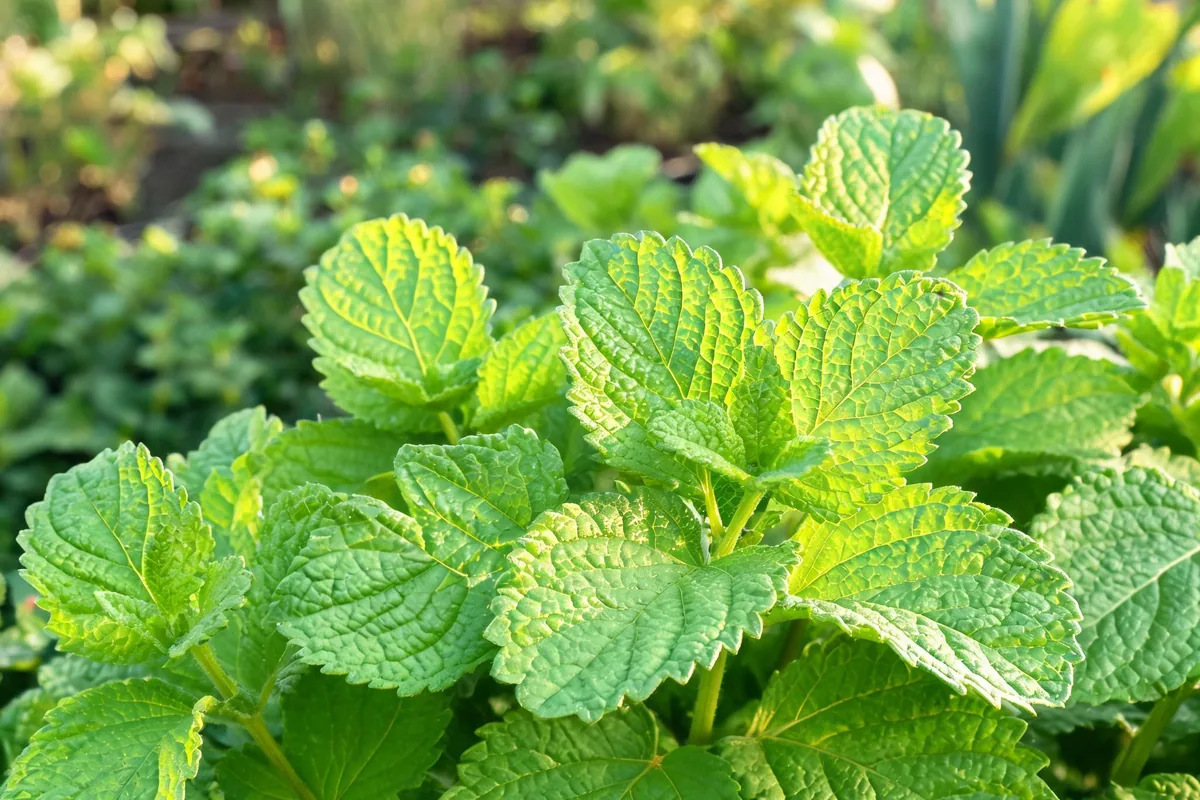
Growing Lemon Balm Outdoors: Care, Zones, and Control
title: "Growing Lemon Balm Outdoors: Care, Zones, and Control"
—- title: "Growing Lemon Balm Outdoors: Care, Zones, and Control" slug: growing-lemon-balm hub: vegetables category: Herb description: "How to grow lemon balm outdoors — hardiness zones 3–7, controlling self-sowing, harvesting, drying, container vs. in-ground guidance, and medicinal uses." date: 2026-06-10 updated: 2026-06-10 author: "Thomas A." reading_time: 7 —-
Melissa officinalis, lemon balm, is a perennial herb in the mint family with a distinct lemon-mint fragrance from its essential oils, primarily citral. It is productive, cold-hardy, and easy to grow — perhaps too easy, since it self-sows prolifically and can spread aggressively in a favorable bed. Managing its spread is a primary consideration in the growing plan, though the management is less demanding than containing mint.
I don't grow lemon balm at the Long Island plot — this guide draws from university Extension publications.
Quick Facts
| Attribute | Detail |
|---|---|
| Scientific name | Melissa officinalis |
| Plant type | Herbaceous perennial |
| USDA zones | 3–7 for reliable perennial performance; zones 8–9 as annual |
| Cold tolerance | Hardy to -40°F (zone 3) |
| Light | Full sun to partial shade |
| Soil pH | 6.0–7.5 |
| Water | Moderate; drought-tolerant once established |
| Mature size | 24–36 inches tall, 18–24 inches wide |
| Spread risk | High from self-sowing; deadhead to control |
USDA Hardiness Zone
Per Missouri Botanical Garden, lemon balm is hardy in USDA zones 3 to 7. It tolerates temperatures well below zero and reliably overwinters through the northeastern United States. Per NC State Extension Plant Toolbox, it "dies back to the crown in winter" in zones 3–7 and re-emerges from the root each spring.
In zones 8 and warmer, lemon balm tends to decline in summer heat and humidity and is typically grown as a cool-season annual. In zone 7a Long Island, it is a reliable perennial that emerges in early April and grows vigorously through fall.
Light Requirements
Per Clemson HGIC, lemon balm "grows in full sun to partial shade." In hot climates (zones 7–8), partial afternoon shade improves summer leaf quality — full sun in July heat can cause wilting and reduced essential oil concentration. In zones 3–6, full sun is preferred for maximum productivity.
In zone 7a, a location with morning sun and light afternoon shade produces the most consistent leaf quality through the season without summer decline.
Soil
Per NC State Extension Plant Toolbox, lemon balm "prefers well-drained, moderately fertile soil with a pH of 6.0 to 7.5." It is more tolerant of average and even poor soils than many culinary herbs, which contributes to its tendency to spread — it establishes easily in difficult spots where other plants struggle.
Per Penn State Extension, incorporating compost at planting improves moisture retention and early productivity, but established plants need no special soil preparation.
Watering
Per Clemson HGIC, established lemon balm is "moderately drought-tolerant" after the first growing season. Consistent moisture (approximately 1 inch per week) promotes the most vigorous, highest-quality leaf production. In dry summers, lemon balm may wilt and show some leaf scorch under water stress, but will recover with rain or irrigation.
New transplants need consistent moisture during establishment — the first 4–6 weeks. After that, supplemental watering is needed only during extended dry periods.
Fertilizing
Per Penn State Extension, lemon balm benefits from a light application of balanced organic fertilizer in spring as new growth emerges. Espoma Plant-tone (5-3-3 organic) at the label rate for perennial herbs is appropriate. Established plants in fertile soils may need no supplemental fertilization. Avoid high-nitrogen formulations, which produce lush growth but can reduce the essential oil concentration responsible for the characteristic lemon fragrance.
Managing Self-Sowing: The Key Task
Lemon balm self-sows heavily. Per Missouri Botanical Garden, it "will naturalize by self-seeding" and can "become invasive in the garden if not controlled." A single plant allowed to flower and set seed can produce hundreds of seedlings the following season, which establish quickly and are difficult to eliminate once they form root systems.
Per Clemson HGIC, "deadhead spent flower clusters before seeds ripen" to prevent spread. The white flowers appear in midsummer in a zone 7a garden. Shear the plant back by one-third after flowering to remove spent flower stems and trigger fresh leaf growth.
If seedlings are already present, hand-pull when small — they are easy to remove before roots establish. Do not compost flowering stems with mature seeds.
Pruning and Rejuvenation
Per Clemson HGIC, cut plants back by "one-half to two-thirds in midsummer" after flowering to promote fresh growth and prevent the plant from becoming leggy and woody at the base. This hard cut in mid-July produces a full flush of new leaves by August.
In spring, cut old stem stubs from the previous season back to the crown as new growth emerges. The crown will produce new stems rapidly in warm spring weather.
Per Penn State Extension, divide large clumps every 3–4 years in spring to maintain vigor. Old central growth may decline while the outer portions remain productive.
Harvesting and Storage
Per Clemson HGIC, harvest lemon balm "just before flowering" for peak essential oil content — this is when the lemon fragrance is most intense. Cut stems back by one-third to one-half, leaving enough foliage for the plant to continue photosynthesizing.
Fresh use: Lemon balm is used fresh in teas, beverages, salads, desserts, and as a garnish. The fragrance is volatile and diminishes quickly after harvest — use within 1–2 days for the best aroma.
Drying: Per Clemson HGIC, lemon balm dries reasonably well — bundle stems and hang in a warm, dark, ventilated location for 1–2 weeks. Dried lemon balm retains useful (if less intense) flavor for 6–12 months. Per UMass Extension, drying at temperatures below 95°F preserves more of the essential oil content.
Fresh storage: Wrap stems in a damp paper towel and refrigerate for up to 5 days.
Freezing: Freeze individual leaves on a baking sheet, then transfer to a bag. Frozen lemon balm works in teas and cooked applications but loses the fresh fragrance.
Traditional and Medicinal Uses
Lemon balm has a long history of traditional use. Per UMass Extension, it has been used historically "as a mild relaxant and sleep aid, and to treat digestive problems." The German Commission E (Germany's official body for herbal medicine evaluation) has approved lemon balm for "nervous sleep disturbances and functional gastrointestinal complaints" per published Commission E monographs. However, these uses are traditional and evidence-based conclusions vary — consult a healthcare provider before using lemon balm medicinally.
This site covers lemon balm as a culinary and garden herb, not as a medicinal treatment.
Container vs. In-Ground
Per Penn State Extension, lemon balm grows well in containers and container culture offers a useful benefit: it limits the plant's spread, since self-sowing from a container can be managed more easily than in-ground spread.
Use a container 10–12 inches in diameter with good drainage. A Smart Pot fabric container in 5-gallon size provides good root room and drainage. Container lemon balm in zone 7a overwinters outdoors without protection — the crown survives in a large container as long as the root ball doesn't freeze solid.
In-ground lemon balm is a reliable long-term perennial in zone 7a but requires consistent deadheading to prevent the bed from filling with seedlings within 2–3 seasons.
Pests and Diseases
Lemon balm is relatively pest-resistant. Per Clemson HGIC:
- Powdery mildew: Can appear in humid conditions or crowded plantings. Improve air circulation; ensure adequate spacing (18 inches between plants); cut back and remove affected growth.
- Aphids: Occasionally colonize new growth. Dislodge with water spray; apply insecticidal soap if populations are high.
- **Mint rust (Puccinia menthae):** Occasionally affects lemon balm as a related mint-family plant. Per Clemson HGIC, remove and destroy affected leaves; do not compost.
Common Problems
| Symptom | Cause | Fix |
|---|---|---|
| Seedlings appearing throughout garden | Self-sowing from mature seed | Deadhead consistently before seeds ripen; pull small seedlings |
| Leggy, floppy stems | Insufficient light; needs cutting back | Move to brighter location; cut back by one-half after flowering |
| Reduced lemon fragrance | Harvest timing off; heat stress | Harvest just before flowering for peak essential oil; ensure adequate moisture |
| White powder on leaves | Powdery mildew | Improve airflow; reduce crowding; remove affected leaves |
| Plant does not return in spring | Winter-killed in zone 8+ (expected) | Treat as annual in zone 8+; replant each year |
| Wilting in summer | Water stress; heat | Water during dry periods; consider partial afternoon shade in zone 7–8 |
Frequently Asked
Is lemon balm invasive?
It is not classified as an invasive species, but it can spread aggressively through self-seeding in a garden context. Per Missouri Botanical Garden, it "will naturalize by self-seeding" in favorable conditions. Consistent deadheading before seeds ripen prevents this. Growing in containers eliminates the spread risk entirely.
When should I harvest lemon balm for tea?
Per Clemson HGIC, harvest just before or at the start of flowering for peak essential oil concentration. Cut stems in the morning after dew has dried. Fresh leaves can be used immediately for tea, or dried and stored for later use. Per UMass Extension, dry at temperatures below 95°F to preserve essential oil content.
Will lemon balm come back every year?
In zones 3–7, yes. Per Missouri Botanical Garden, lemon balm "dies back to the crown in winter" in zones 3–7 and "re-emerges reliably in spring." In zone 7a Long Island, it re-emerges in April without any winter protection. In zones 8 and warmer, it declines in summer heat and is typically treated as an annual.
How do I control lemon balm's spread?
Per Clemson HGIC, the primary control is deadheading spent flowers before seeds ripen. Cut plants back by one-half after flowering to remove seed-bearing stems. Alternatively, grow in containers to prevent any in-ground spread. Established seedlings are easy to hand-pull when small; do not let them root deeply.
—-
Recommended gear: Best Organic Fertilizer Brands: OMRI-Listed Picks from Extension Research — our buyer's guide covering picks for every budget, ranked by Extension publication consensus and personal use.
Sources
- NC State Extension Plant Toolbox — <a href="https://plants.ces.ncsu.edu/plants/melissa-officinalis/">Melissa officinalis (Lemon Balm)</a>.
- Missouri Botanical Garden — <a href="https://www.missouribotanicalgarden.org/PlantFinder/PlantFinderDetails.aspx?kempercode=a597">Melissa officinalis</a>.
- Clemson HGIC — <a href="https://hgic.clemson.edu/factsheet/lemon-balm/">Lemon Balm</a>.
- Penn State Extension — <a href="https://extension.psu.edu/herb-gardening">Herb Gardening</a>.
- UMass Extension — <a href="https://ag.umass.edu/herbs">Herbs</a>.