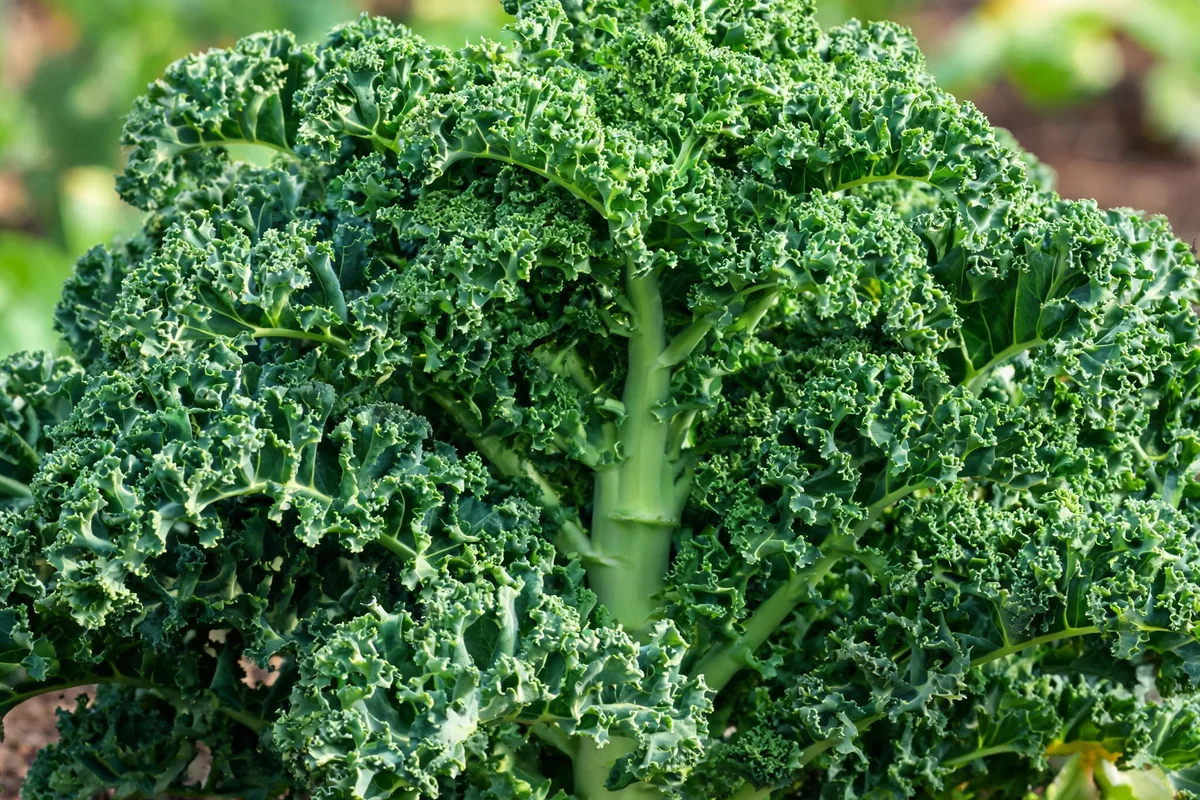
I don't grow kale at my Long Island plot — the beds are committed elsewhere. This guide is sourced from Cornell Cooperative Extension, Penn State Extension, NC State Extension, and UMass Extension, which collectively offer the most thorough published guidance on home kale production in the Northeast and mid-Atlantic.
Kale is among the hardiest, most cold-tolerant vegetables available to home gardeners. It is technically a biennial, and in zones 6—9 a fall-planted kale will often overwinter successfully and resume growth in spring before going to seed. Flavor improves substantially with cold temperatures — the standard advice that \"kale tastes better after a frost\" is grounded in real biochemistry: frost converts starches to sugars in the leaves.
This article contains affiliate links. As an Amazon Associate, we earn from qualifying purchases - at no extra cost to you. We only recommend products we have personally tested or that are the universal first recommendation from university Extension publications. See our full disclosure.
Variety selection
Brassica oleracea var. acephala encompasses kale and collard greens. Major kale types:
Curly kale: 'Dwarf Siberian' (50 days), 'Winterbor' (60 days), 'Redbor' (60 days, purple). Per Cornell Cooperative Extension, curly types are the most widely available and cold-hardy. 'Winterbor' is among the most cold-tolerant varieties available per Penn State Extension.
Lacinato/Dinosaur kale (B. oleracea var. acephala, Nero di Toscana group): 'Lacinato' (62 days), 'Black Magic' (57 days). Long, narrow, dark blue-green leaves with puckered texture. Milder flavor than curly types. Per NC State Extension, lacinato types are popular in markets and restaurants; excellent for year-round production.
Red Russian kale: 'Red Russian' (50 days). Flatter leaves, purple stems, very tender texture suited to salads. Per Johnny's Selected Seeds, Red Russian is the mildest-flavored kale type — preferred for raw applications. Less cold-hardy than curly types.
Kalette (kale sprouts): A hybrid of kale and Brussels sprouts producing small edible rosettes on the stem. Relatively new category; 'Kalettes Mix' available from specialty seed suppliers.
Days to maturity: 50 days ('Dwarf Siberian', 'Red Russian') to 62 days ('Lacinato').
More like this, monthly
Get the seasonal care notes — no upsell, unsubscribe any time.
One email per month from Thomas: what to plant, what to prune, what's about to break. Cited the same way as the guides.
Free. No spam. Same author as the guide you just read.