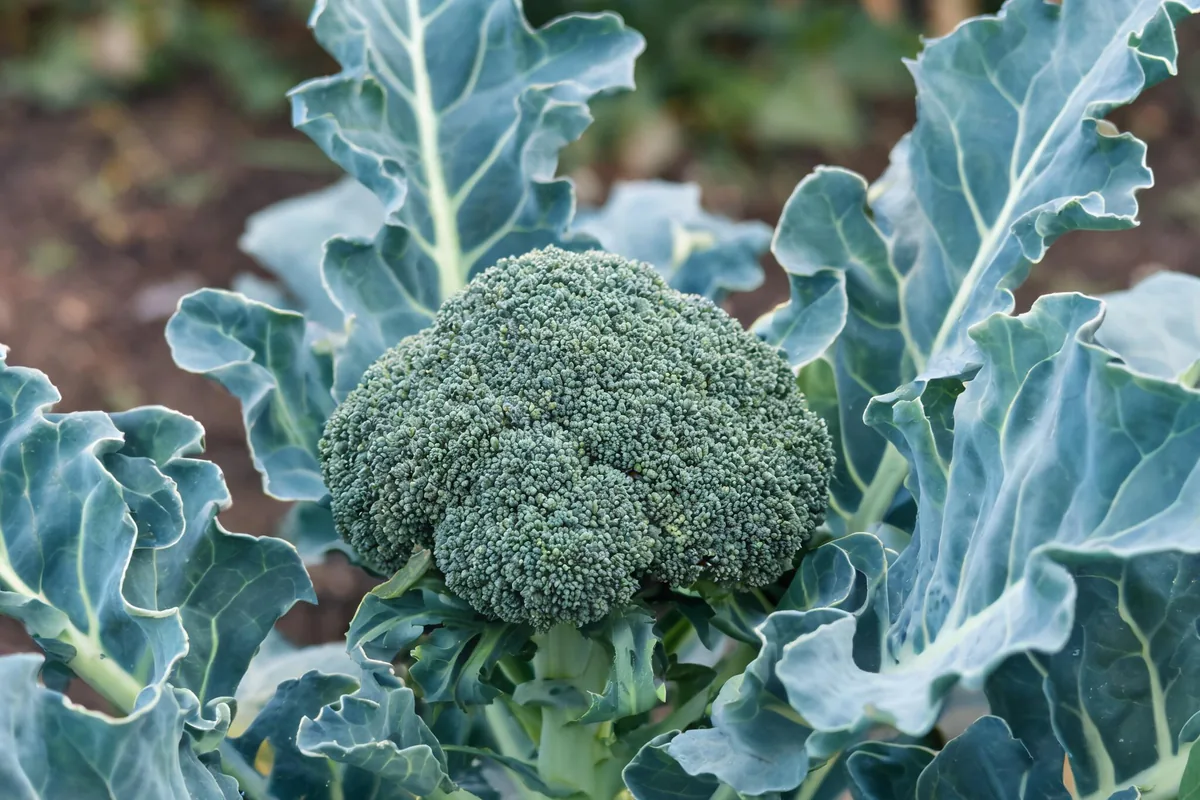
I don't grow broccoli at my Long Island plot. My vegetable beds are committed to crops I grow better in zone 7a — tomatoes, peppers, and cucumbers. This guide is sourced from Cornell Cooperative Extension, Penn State Extension, NC State Extension, and Clemson HGIC, which publish the most detailed guidance on home brassica production across the Northeast and mid-Atlantic.
Broccoli is achievable in zones 3—9, but it requires timing that most gardeners get wrong. It is a cool-season crop that must head up (develop the central head) in cool weather to produce a tight, quality head. Planted too late in spring, it heads in summer heat and immediately bolts (flowers). Planted too early for fall, it bolts from heat before heading. Getting the timing right is almost the entire game.
This article contains affiliate links. As an Amazon Associate, we earn from qualifying purchases - at no extra cost to you. We only recommend products we have personally tested or that are the universal first recommendation from university Extension publications. See our full disclosure.
Variety selection
Brassica oleracea var. italica encompasses broccoli types.
Large-head (Calabrese) types: 'Packman' (57 days), 'Green Magic' (60 days), 'Marathon' (68 days). These are the standard market types with large central heads. Per Cornell Cooperative Extension, large-head types produce the best single central harvest.
Side-shoot types: 'Waltham 29' (74 days), 'Calabrese' (58 days). After the central head is harvested, these types produce abundant side shoots over several weeks. Per Penn State Extension, side-shoot production extends the harvest period substantially.
Sprouting/Rapini types: 'De Cicco' (48 days), 'Sorrento Calabrese'. Skip the large central head and go directly to side shoot production; better adapted to warm conditions per NC State Extension.
Disease-resistant varieties: Per Cornell, 'Arcadia' (63 days) and 'Imperial' (66 days) have tolerance to downy mildew and clubroot. Useful for gardens with a history of brassica disease.
Days to maturity (from transplant): 48 days ('De Cicco') to 74 days ('Waltham 29').
More like this, monthly
Get the seasonal care notes — no upsell, unsubscribe any time.
One email per month from Thomas: what to plant, what to prune, what's about to break. Cited the same way as the guides.
Free. No spam. Same author as the guide you just read.
Got it — check your inbox to confirm. Welcome.
Seed-starting setup
A Barrina T5 LED strip plus a seedling heat mat handles a 4x4 bench for pennies per hour. Cuts pepper germination time in half. Read our full pick.