Gardening in the Southeast US: Zones 7–9 Regional Guide
title: "Gardening in the Southeast US: Zones 7–9 Regional Guide"
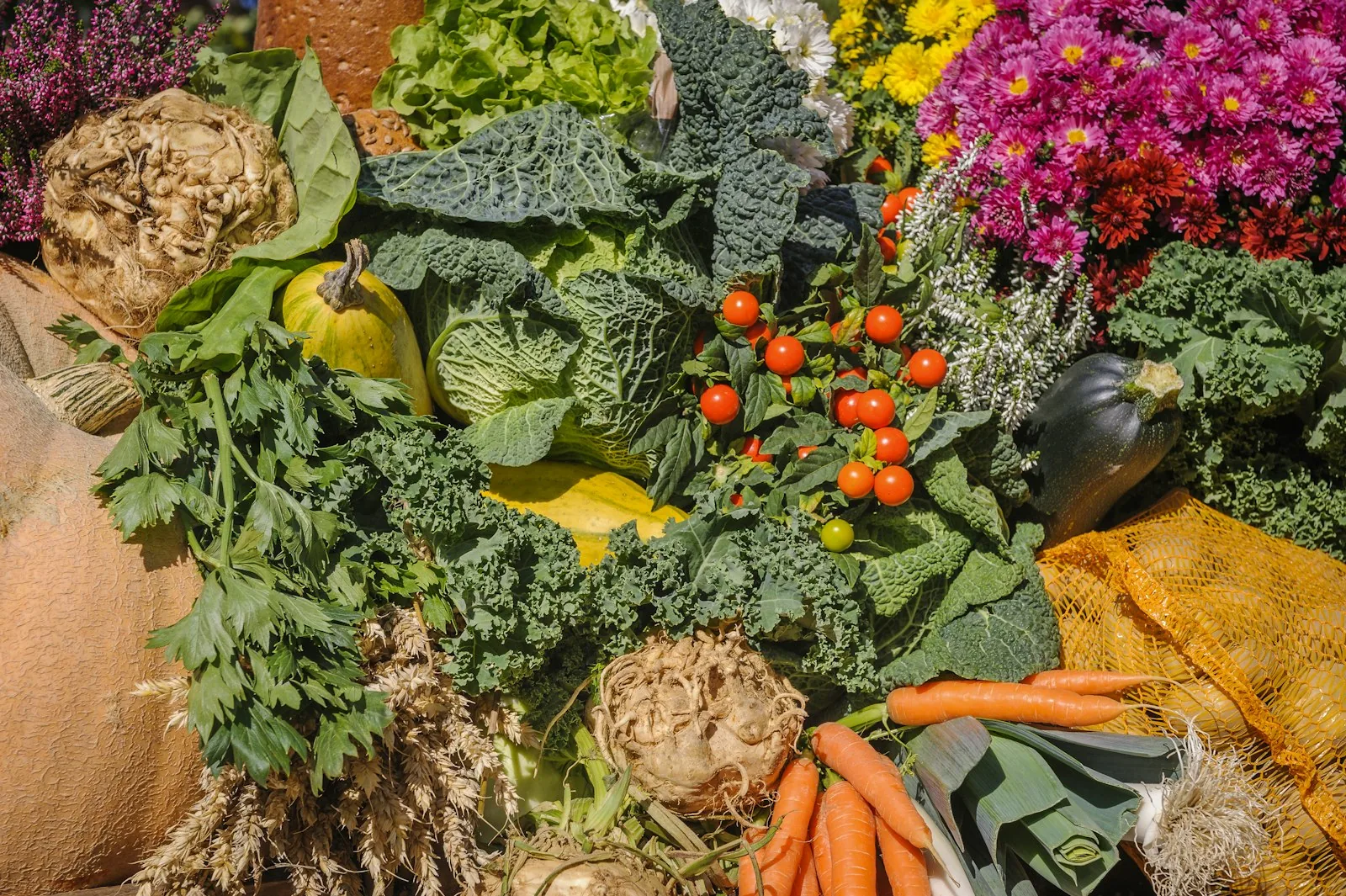
—- title: "Gardening in the Southeast US: Zones 7–9 Regional Guide" slug: gardening-in-the-southeast hub: care category: Care description: "Complete guide to Southeast US gardening in zones 7–9 across NC, SC, GA, AL, TN, and KY. Covers humid heat, red clay soils, fire ants, and planting calendars for a long growing season." date: 2026-06-10 updated: 2026-06-10 author: "Thomas A." reading_time: 11 —-
The Southeast is a region that humbles gardeners who move there from anywhere cooler. The heat and humidity that make summer feel oppressive also make the region hospitable to a range of plants that struggle or die in zones 4–6. But the Southeast's gardening calendar is inverted relative to the rest of the country: summer is not peak growing season—it is survival mode. The productive seasons are fall, winter, and spring.
I do not garden in the Southeast, so this guide draws on the primary research from NC State Extension, Clemson Cooperative Extension, University of Georgia Extension, Auburn University Extension (Alabama), and University of Tennessee Extension rather than personal observation.
Table of Contents
- USDA Zones and Regional Geography
- Soil: Red Clay and How to Work With It
- First and Last Frost Dates
- Seasonal Planting Calendar
- What Grows Best in the Southeast
- What Does Not Work
- Pest Pressure
- Disease Pressure
- Native Plant Recommendations
- Frequently Asked
—-
USDA Zones and Regional Geography {#usda-zones}
Per the USDA Plant Hardiness Zone Map:
| Zone | Minimum Winter Temp | Representative Locations |
|---|---|---|
| Zone 7a | 0 to 5°F | Western North Carolina mountains, eastern Tennessee, northern Kentucky |
| Zone 7b | 5 to 10°F | Charlotte NC, Knoxville TN, northern Alabama, most of Kentucky |
| Zone 8a | 10 to 15°F | Raleigh NC, Columbia SC, Atlanta GA, Birmingham AL |
| Zone 8b | 15 to 20°F | Coastal NC and SC, southern Georgia, coastal Alabama |
| Zone 9a | 20 to 25°F | Southern Georgia coast, southernmost Alabama |
The Appalachian Mountains create a significant climate break in the western part of the region. Asheville, NC (zone 7a) and Charleston, SC (zone 8b) are both "Southeast" but have growing conditions that differ as much as Boston, MA and Richmond, VA. Per NC State Extension, the North Carolina mountains have average first frost dates 6–8 weeks earlier than the coastal plain.
—-
Soil: Red Clay and How to Work With It {#soil}
The signature soil of the Piedmont Southeast is red Ultisol clay—ancient, heavily weathered, low in nutrients, and physically difficult to work. Per Clemson Cooperative Extension, South Carolina and Georgia piedmont clay soils typically have pH 5.5–6.0, low organic matter (often below 1%), and are prone to severe compaction. When dry, this clay sets like concrete; when wet, it is slick and sticky.
Per University of Georgia Extension, the standard recommendation for vegetable gardening in red clay is to raise the garden bed 4–8 inches above grade using a mix of 50% native soil and 50% compost or organic matter. Trying to grow directly in unamended clay without raised beds produces marginal results for most food crops.
Regional soil variations:
- North Carolina coastal plain: Sandy loam, pH 5.5–6.5, low water-holding capacity. Per NC State Extension, frequent light irrigation and split fertilizer applications are more effective than single heavy applications on sandy coastal plain soils.
- Tennessee and Kentucky: A mix of karst limestone soils (naturally high pH, 7.0–7.5) and clay-loam. Per UT Extension, many Tennessee soils benefit from acidifying amendments for blueberries and azaleas rather than the lime additions common in the rest of the South.
- Alabama Black Belt: Dark, sticky Vertisol clay—extremely rich in nutrients but extremely difficult to manage. Per Auburn University Extension, the Black Belt requires minimal fertilizer but maximum patience with drainage management.
Per Clemson HGIC, soil testing is mandatory before amending Southeast soils. Many gardeners add lime unnecessarily to already near-neutral soils, pushing pH too high for plants like azaleas, camellias, and blueberries that thrive in the naturally acidic Southeast conditions.
—-
First and Last Frost Dates {#frost-dates}
Per NOAA National Centers for Environmental Information:
| USDA Zone | Representative City | Average Last Frost | Average First Frost | Growing Season |
|---|---|---|---|---|
| Zone 7a | Asheville, NC | April 10–20 | October 20–31 | 180–200 days |
| Zone 7b | Charlotte, NC | March 25–April 5 | November 5–15 | 210–220 days |
| Zone 8a | Raleigh, NC | March 20–30 | November 15–25 | 220–235 days |
| Zone 8a | Atlanta, GA | March 15–25 | November 15–25 | 225–240 days |
| Zone 8b | Charleston, SC | February 25–March 10 | November 25–December 5 | 255–270 days |
| Zone 9a | Savannah, GA | February 15–25 | December 5–15 | 270–285 days |
—-
Seasonal Planting Calendar {#planting-calendar}
The Southeast calendar, per NC State Extension and Clemson HGIC, is essentially the reverse of the northern US gardening calendar:
Fall (September–November) — The Most Important Season
Per NC State Extension, fall is the best planting season for most vegetables in the Southeast:
- September: Transplant fall brassicas (broccoli, cabbage, kale, collards). Direct-sow spinach, lettuce, carrots, radishes.
- October: Plant garlic, spring-blooming bulbs (tulips require pre-chilling in the refrigerator for 6–8 weeks before planting in zones 8–9; per Clemson HGIC, skip tulips below zone 7b and plant daffodils and alliums instead).
- October–November: Plant trees, shrubs, and hardy perennials. Per Clemson HGIC, fall planting of woody plants in the Southeast gives them 4–6 months of root establishment before summer stress.
Winter (December–February, zones 8–9)
The Southeast's mild winters allow cool-season vegetables to produce all winter in zones 8a–9a. Per UGA Extension:
- December–January: Direct-sow spinach, kale, and arugula in zones 8a–9a.
- January: Start tomato and pepper seeds indoors (10–12 weeks before last frost, February–March transplant).
- February: Plant potatoes (zone 8a+).
Spring (March–May)
- March (zones 8a–9a): Transplant tomatoes, peppers, squash. These go in earlier than anywhere else in the country.
- April (zone 7b): Transplant tomatoes after last frost. Per NC State Extension, soil temperature must reach 60°F at planting depth for reliable tomato establishment.
- May: Plant sweet potatoes (soil above 65°F). Direct-sow okra, southern peas, and sweet corn.
Summer (June–August) — The Difficult Season
Per NC State Extension, summer is not productive for most food crops in the Southeast: daytime temperatures above 90°F cause tomatoes to drop flowers, squash to collapse to vine borers, and cool-season crops to bolt. Focus on heat-tolerant crops: okra, sweet potatoes, southern peas, basil. Maintain ornamentals with deep watering; do not plant.
—-
What Grows Best in the Southeast {#what-grows-best}
Based on performance data from NC State Extension, Clemson HGIC, and UGA Extension:
| Plant | Zones | Notes |
|---|---|---|
| Camellia japonica and C. sasanqua | 7–9 | Excellent in the Southeast's acidic soils; per Clemson HGIC, C. sasanqua is hardier and blooms in fall |
| Gardenia jasminoides | 7b–10 | Southern signature plant; thrives in heat and humidity |
| Okra (Abelmoschus esculentus) | Annual | Requires 90°F+ to perform; the Southeast is its ideal climate |
| Lagerstroemia spp. (crape myrtle) | 6b–9 | Southeast's signature ornamental tree; per NC State, choose from the National Arboretum's disease-resistant series |
| Sweet potato (Ipomoea batatas) | Annual | Among the most productive Southeast food crops |
| Magnolia grandiflora (Southern magnolia) — native | 7–9 | Region's signature tree; per UGA Extension, requires well-drained soil |
| Collard greens (Brassica oleracea var. acephala) | Annual (fall/winter) | Heat-tolerant brassica; cornerstone of Southeast food gardening |
| Hydrangea quercifolia (oakleaf hydrangea) — native | 5–9 | Outstanding in the Southeast; per Clemson HGIC, tolerates heat and clay better than bigleaf hydrangea |
| Canna × generalis | Perennial in zones 7b–9 | Overwinters in ground in zone 8+; spectacular summer performer |
| Phlox paniculata (garden phlox) — native | 3–8 | Per NC State Extension, choose mildew-resistant cultivars (David, Robert Poore) |
| Southern peas (Vigna unguiculata) | Annual | Heat-tolerant legume; productive through Southeast summers |
| Acer rubrum (red maple) — native | 3–9 | Excellent native tree for Southeast landscapes; tolerates the range of Southeast soils |
—-
What Does Not Work {#what-does-not-work}
| Plant | Why It Fails | Notes |
|---|---|---|
| Paeonia lactiflora (peony) | Insufficient winter chill hours in zones 8–9; per Clemson HGIC, peonies need 500–600 chill hours below 40°F | Unreliable south of zone 7b; works in NC mountains |
| Delphinium spp. | Cannot survive Southeast summer heat and humidity | Treat as a short-lived spring annual if planted at all |
| Primula spp. (primrose) | Fails in summer heat; per UGA Extension, declines rapidly after spring | Winter/spring annual only; no perennial value |
| Rhubarb (Rheum rhabarbarum) | Insufficient chilling in zones 8–9; per Clemson HGIC, crown rot is common in Southeast summers | Not viable south of zone 7a |
| Lavandula angustifolia (English lavender) | Per NC State Extension, English lavender declines in Southeast humidity and clay soils | Spanish lavender (L. stoechas) or 'Phenomenal' are more heat/humidity tolerant |
| Lilium spp. (true lilies, many types) | Lily leaf beetle; heat stress on bulbs; per Clemson HGIC, most true lilies decline after 2–3 years in zone 8 | Hemerocallis (daylily) is the functional substitute |
| Cool-season vegetables in summer | Bolt and fail in 90°F+ heat | This is the single biggest mistake made by gardeners new to the Southeast |
—-
Pest Pressure {#pest-pressure}
Fire Ant
Solenopsis invicta is the defining pest of the Southeast garden. Per Clemson Cooperative Extension, fire ants build mounds that can reach 18 inches high and contain 200,000–500,000 workers. They sting repeatedly and can cause anaphylactic reactions in sensitive individuals. Per Clemson HGIC and Auburn University Extension, the most effective management is the "Two-Step Method":
- Apply a broadcast bait (hydramethylnon or spinosad) across the entire yard in spring and fall.
- Treat individual mounds with a liquid drench (bifenthrin, permethrin, or d-limonene for organic control) 3–5 days after bait application.
Per Auburn Extension, broadcast bait alone reduces fire ant pressure by 80–90% over one season.
Japanese Beetle
Popillia japonica is present throughout the Southeast but typically has slightly less pressure than the Northeast. Per NC State Extension, adult flight peaks in late June through July. Same management: hand-picking, milky spore granular for grubs, neem oil as deterrent.
Tomato Hornworm
Manduca quinquemaculata and M. sexta (both present in the Southeast). Per UGA Extension, hornworms are large (3–4 inches) and can defoliate a tomato plant rapidly. Hand-pick; encourage parasitic wasps (Cotesia congregatus) by not using broad-spectrum pesticides.
| Pest | Target Plants | Primary Source |
|---|---|---|
| Fire ant (Solenopsis invicta) | Lawn, garden plants, nesting areas | Clemson HGIC, Auburn Extension |
| Japanese beetle (Popillia japonica) | Roses, grapes, basil, roses | NC State Extension |
| Squash vine borer (Melittia cucurbitae) | Summer squash, zucchini | UGA Extension |
| Tomato hornworm (Manduca spp.) | Tomatoes, peppers, eggplant | UGA Extension |
| Harlequin bug (Murgantia histrionica) | Brassicas | Clemson HGIC |
| Two-spotted spider mite (Tetranychus urticae) | Tomatoes, beans, many others — peaks in hot dry weather | NC State Extension |
—-
Disease Pressure {#disease-pressure}
| Disease | Pathogen | Most Affected Plants | Notes |
|---|---|---|---|
| Early blight | Alternaria solani | Tomatoes | Per UGA Extension, endemic in the Southeast; lower leaves show brown concentric-ring lesions by mid-June |
| Southern blight | Sclerotium rolfsii | Tomatoes, peppers, peonies, hostas | Warm soil pathogen; per Clemson HGIC, soil solarization in summer reduces inoculum |
| Powdery mildew | Erysiphe and Podosphaera spp. | Squash, cucumbers, phlox, crape myrtle | Per NC State Extension, resistant cultivars are the primary management tool |
| Cercospora leaf spot | Cercospora spp. | Beets, chard, hydrangeas, phlox | High humidity and warm temperatures favor outbreaks |
| Azalea petal blight | Ovulinia azaleae | Azaleas | Per Clemson HGIC, warm wet weather during bloom causes rapid flower collapse; preventive fungicide at early bloom |
| Fire blight | Erwinia amylovora | Apples, pears, serviceberry | Per NC State Extension, warm wet springs are ideal conditions; per NC State, apply copper-based bactericide at early bloom |
—-
Native Plant Recommendations {#native-plants}
Per NC State Extension, Clemson Cooperative Extension, and the Lady Bird Johnson Wildflower Center:
| Plant | USDA Zones | Wildlife Value | Notes |
|---|---|---|---|
| Hydrangea quercifolia (oakleaf hydrangea) | 5–9 | Pollinators | Native; outstanding exfoliating bark and fall color |
| Clethra alnifolia (summersweet) | 3–9 | Native bees, butterflies | Fragrant summer bloom; tolerates wet soil |
| Itea virginica (Virginia sweetspire) | 5–9 | Pollinators | Native; excellent fall color in clay soils |
| Asclepias tuberosa (butterfly weed) | 3–9 | Monarchs (host plant) | Per Clemson HGIC, drought-tolerant; does not tolerate wet clay |
| Quercus virginiana (live oak) | 7b–10 | Supports 500+ native caterpillar species | Signature Southeast native tree |
| Liatris spicata (blazing star) | 3–9 | Monarchs, native bees | Drought-tolerant; outstanding pollinator magnet |
| Lonicera sempervirens (coral honeysuckle) | 4–9 | Hummingbirds | Native vine; non-invasive (unlike Japanese honeysuckle) |
| Callicarpa americana (American beautyberry) | 6–10 | Birds (fruit) | Native; remarkable purple berry clusters in fall |
—-
Frequently Asked {#frequently-asked}
Why do my tomatoes drop flowers in July and August in Georgia?
This is physiological heat stress, not disease. Per UGA Extension, tomato flowers abort when daytime temperatures consistently exceed 90°F or nighttime temperatures stay above 72°F. The pollen becomes non-viable at these temperatures. The practical solution: plant early-ripening varieties that can produce before June (Celebrity, Better Boy, or Cherokee Purple in zone 8a) and again in early fall (September transplants). Many Southeast gardeners essentially stop expecting tomato production from mid-June through August.
How do I amend Southeast red clay for vegetables?
Per Clemson Cooperative Extension, the most effective approach is to add 4–6 inches of compost to the top 8 inches of clay and incorporate it thoroughly. This is not a one-time task—clay soils consume organic matter quickly in the Southeast's warm, moist climate. Annual compost additions of 2–3 inches maintain structure over time. If building a new vegetable garden, raised beds with imported topsoil and compost mix (50/50) eliminate the clay problem entirely.
Can I grow blueberries in the Southeast?
Yes—the Southeast is excellent for blueberries with the right soil conditions. Per NC State Extension, the Southeast is home to native blueberry species (Vaccinium corymbosum, V. ashei, V. virgatum) and commercial blueberry production is a major industry in NC, GA, and SC. Home gardeners should choose southern highbush or rabbiteye varieties, amend soil to pH 4.5–5.5 with elemental sulfur, and mulch with pine bark. Per NC State, at least two cultivars are needed for cross-pollination.
How do I manage fire ants without toxic chemicals?
Per Clemson HGIC, the most effective low-toxicity approach is the Two-Step Method using spinosad-based bait (Monterey Garden Insect Spray granules or similar) broadcast twice yearly (spring and fall). Spinosad is OMRI-listed for organic gardening. For individual mound treatment, boiling water (one gallon poured into the mound center) destroys surface colonies with a 60% success rate per Auburn University Extension—repeated applications are often needed. Diatomaceous earth is not effective for fire ants.
—-
Recommended gear: Best Neem Oil for Gardens: How It Works and When to Use It — our buyer's guide covering picks for every budget, ranked by Extension publication consensus and personal use.
Sources
- NC State Extension — <a href="https://www.ces.ncsu.edu/">NC State Cooperative Extension Home</a>.
- Clemson Cooperative Extension HGIC — <a href="https://hgic.clemson.edu/">Home and Garden Information Center</a>.
- University of Georgia Extension — <a href="https://extension.uga.edu/">UGA Extension Home</a>.
- Auburn University Cooperative Extension — <a href="https://www.aces.edu/">Alabama Cooperative Extension System</a>.
- University of Tennessee Extension — <a href="https://extension.tennessee.edu/">UT Extension Home</a>.
- USDA Agricultural Research Service — <a href="https://planthardiness.ars.usda.gov/">USDA Plant Hardiness Zone Map</a>.
- NOAA National Centers for Environmental Information — <a href="https://www.ncei.noaa.gov/">Climate Data</a>.
- Lady Bird Johnson Wildflower Center — <a href="https://www.wildflower.org/">Native Plant Database</a>.
