Care

Fall planting guide: what to plant in September and October by zone

There is a persistent belief that planting season ends when summer does. It doesn't.

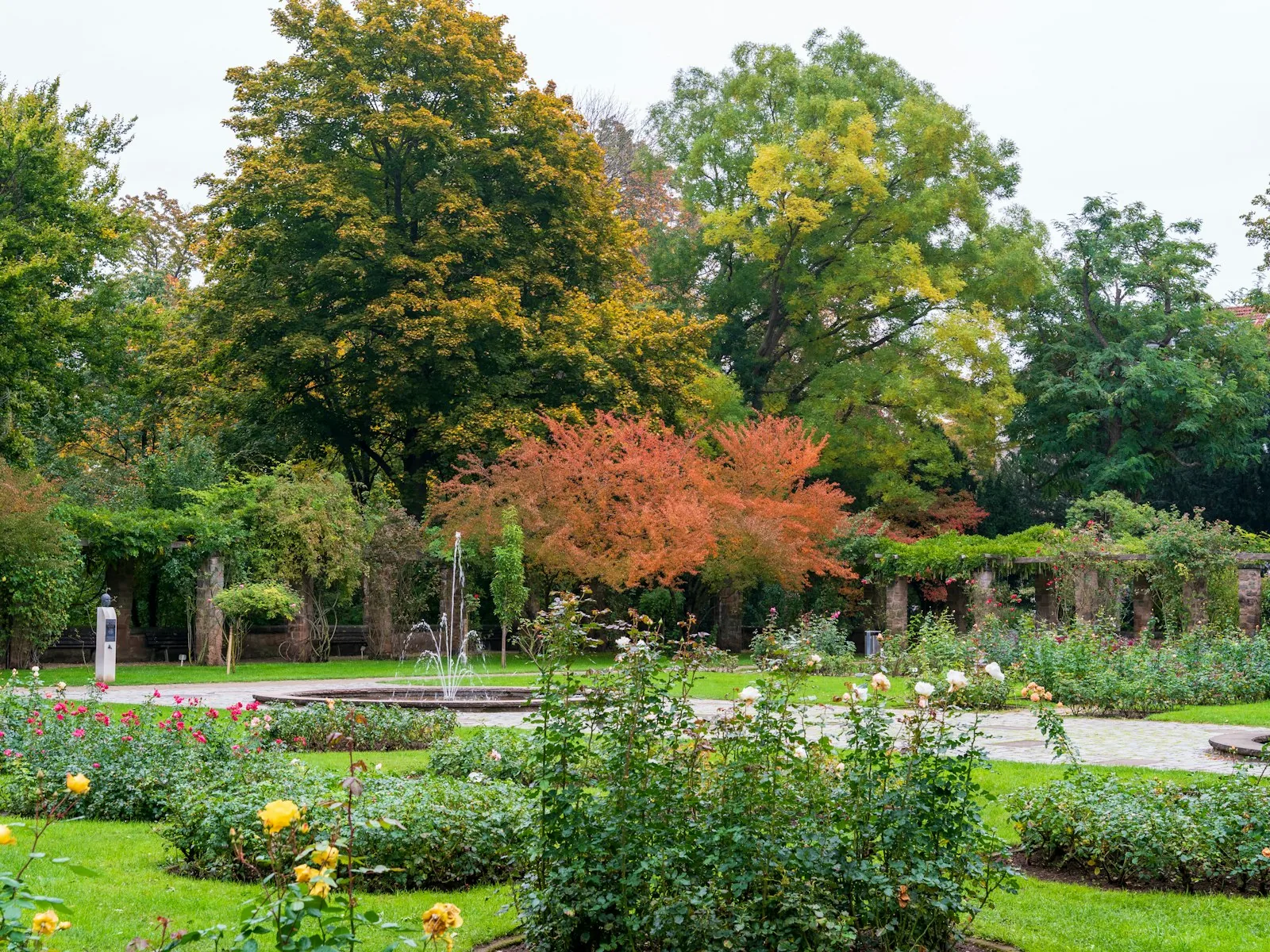
Autumn trees and rose garden with fountain
Photo: Unsplash on Unsplash

—- title: "Fall planting guide" slug: fall-planting-guide hub: care category: How-to guide description: "There is a persistent belief that planting season ends when summer does. It doesn't. Fall is the second-best planting window of the year for perennials, trees, and shrubs — and for spring-blooming." date: 2026-06-10 updated: 2026-06-10 author: "Thomas A." reading_time: 11 —-

There is a persistent belief that planting season ends when summer does. It doesn't. Fall is the second-best planting window of the year for perennials, trees, and shrubs — and for spring-blooming bulbs, it is the only window that works.

The misconception comes from confusing the visible part of plant growth with the important part. Above ground, plants are winding down in fall. Below ground, in soil that is still warm from summer and softened by autumn rain, roots are actively expanding. A perennial planted in September in zone 6 will put on six to eight weeks of root growth before the ground freezes — root growth that gives it a head start over a spring-planted neighbor.

Why fall planting works

Per Penn State Extension's fall planting guide: "Container-grown plants in this category can be planted from early to mid-fall. You should plant early enough in fall for the root system to establish itself in the new soil (plan on at least six weeks before first frost)."

Three conditions make fall planting effective:

1. Warm soil, cool air. Soil temperatures in September and early October are still 60–70°F at 4-inch depth across most of zones 5–7 — warm enough for active root growth. Air temperatures are cooler, reducing transpiration stress on newly planted crowns and foliage. The plant can focus metabolic energy on roots rather than cooling its leaves.

2. Natural rainfall. In much of the eastern United States, fall brings more consistent rainfall than midsummer. Less irrigation burden. Newly planted perennials and shrubs can establish on natural precipitation in many zones.

3. Dormant energy. For woody plants — trees and shrubs — falling leaves signal dormancy, which means the plant is not spending energy on transpiration and photosynthesis. A bare-root or container-grown shrub planted in October in zone 6 has a full winter of root establishment before it needs to power spring growth.

Per Penn State Extension: "A huge advantage to planting woody plants and perennials in fall is that they are often on sale at nurseries."

The 6-week rule

The practical limit for fall planting is 6 weeks before the expected first hard frost (a night with temperatures below 28°F). Per Penn State Extension: "You should plant early enough in fall for the root system to establish itself in the new soil (plan on at least six weeks before first frost)."

Per Clemson Extension's HGIC guide on dividing perennials: "Allow at least four to six weeks before the ground freezes for the plants to become established."

The 6-week target is a minimum. Eight weeks is better. A plant that goes into the ground with only 3 weeks before frost will not have adequate root establishment and is at increased risk of frost heaving and winter kill.

First frost dates by zone

Per NOAA National Centers for Environmental Information:

USDA ZoneAverage first frost dateLatest planting date (6 weeks before frost)
Zone 3 (Minneapolis, MN)September 15–25Early August
Zone 4 (Chicago, IL; Detroit, MI)October 1–15Mid-August to September 1
Zone 5 (Boston, MA; Denver, CO)October 15–31September 1–15
Zone 6 (Philadelphia, PA; Long Island, NY)November 1–15September 20–October 1
Zone 7 (Washington, D.C.; Charlotte, NC)November 15–30October 1–15
Zone 8 (Atlanta, GA; Dallas, TX)December 1–15October 15–November 1
Zone 9 (Houston, TX; Phoenix, AZ)December 15–JanuaryNovember–December

For zone 6 gardeners: the practical fall planting window runs from mid-August (getting nursery stock early, while selection is still good) through late September or early October. Planting in late October is risky in zone 6 — there is not enough time for roots to establish before freeze.

What to plant in fall

Perennials

Hardy perennials — coneflower, black-eyed Susan, hosta, daylily, salvia, catmint, sedum, peonies, iris — can all be planted in fall. Per Penn State Extension, "spring, early summer, and fall are the best times to establish native perennials."

Peonies are specifically well-suited to fall planting. Per Penn State Extension and Missouri Botanical Garden, peonies should be planted in fall with the "eyes" (buds) 1–2 inches below the soil surface. Fall planting allows the peony to establish before its spring bloom drive.

Iris can be divided and replanted in late summer through early fall (late July through September in most zones). Per Penn State Extension's dividing perennials guide: "Spring and autumn are the recommended times" for perennial division.

The exception within perennials: Plants that are not yet dormant and that are tender to your zone should not be planted in fall. See "what not to plant" below.

Hardy shrubs and trees

Container-grown and balled-and-burlapped trees and shrubs can be planted in fall through the same 6-week window. Per Penn State Extension: "Before winter sets in, you should check weekly and water if dry. A thick layer of mulch will keep them from heaving out of the ground during periods of freezing and thawing."

Newly planted trees and shrubs need 1–2 inches of water per week until the ground freezes, then nothing until spring. Do not let them go into winter drought-stressed. Per Clemson Extension's November garden guide: "When soil is warm and air temperatures are cool, plants are less stressed while their roots grow and become established. Lack of stress allows more energy to go into the production of feeder roots so the plant can begin strong, new growth in the spring."

Note: avoid fall planting of broad-leaved evergreens (rhododendron, azalea, hollies) in zone 5 and colder. These plants continue to transpire through their evergreen leaves all winter. A fall-planted broad-leaved evergreen that has not yet established its root system cannot replace the water lost through winter transpiration, leading to "winter burn" (brown, desiccated foliage) or death.

Spring-blooming bulbs

Spring-blooming bulbs — tulips, daffodils, alliums, crocuses, hyacinths, squill — must be planted in fall. They require a cold dormancy period to trigger spring bloom. Without the cold, they do not flower reliably. Per Penn State Extension's bulb guide: "Spring-blooming bulbs are planted in the fall, before the first frost, for an early to late spring or early summer bloom."

Timing by bulb type:

Per Penn State Extension: "In western Pennsylvania, the best time to plant bulbs is September to October, before the first frost of the season. Bulbs will have time to develop a solid root system before the ground freezes."

Bulbs prefer a soil pH of 6.0–7.0 per Penn State Extension, and "excellent soil drainage is crucial for root development and bulb rot prevention during the dormant season." Bulbs planted in wet, poorly drained soil will rot over winter.

I plant alliums and daffodils every October at my Long Island yard — I've added to the planting almost every fall since 2018. The daffodil population is now large enough that deer, which are persistent, do not bother them (daffodil bulbs and foliage are toxic to deer).

Mulch newly planted bulbs: Per Penn State Extension, "cover with soil and approximately two to three inches of mulch. The mulch protects the bulbs over the winter by minimizing temperature fluctuations while maintaining soil moisture."

What NOT to plant in fall

This is as important as what to plant.

Tender perennials: Any perennial that is not reliably hardy in your zone should not be planted in fall. In zone 6–7, this includes: lantana (zone 8+), tropical hibiscus (zone 9+), mandevilla (zone 9+), canna (zone 7–8, marginal in zone 6), caladium (zone 8+). Fall planting means the plant goes into cold soil without time to establish, and winter kills it.

Summer-blooming tender bulbs: Dahlias, cannas, gladiolus, and caladiums are planted in spring after last frost, not in fall. In zones below their hardiness range, they must be dug after first frost and stored indoors over winter. Per Penn State Extension's summer bulb guide: "They differ from spring-blooming bulbs, such as daffodils, tulips, and hyacinths, which are planted in the fall to bloom the following spring because they are not winter hardy."

Bare-root plants in late fall: Bare-root planting (roses, fruit trees, peonies shipped without soil) works well in early spring when plants are dormant. Fall bare-root planting works only if there are 6+ weeks before hard frost. In zone 5–6, October bare-root planting is risky because the window is very tight.

Zone-marginal evergreens: Boxwood, holly, and rhododendron planted in fall in zones 4–5 are at high risk of winter burn because their newly planted root systems cannot replace the moisture lost through evergreen leaves. In zones 6–7, fall planting of these works fine.

Vegetables requiring warm soil: Tomatoes, peppers, eggplant, basil — warm-season crops that require soil above 60°F for root activity. Fall soil temperatures drop too quickly for these to establish. A tomato transplant put in the ground in September in zone 6 may survive a few weeks but will not produce fruit before frost kills the plant.

September vs. October: the practical distinction

September planting: Optimal for most perennials, shrubs, and trees. Soil is still warm (65–70°F), there is typically 8–10 weeks before hard frost in zones 5–7, and nurseries often have their best selection and prices before the end-of-season rush.

October planting: Works for hardy trees and shrubs, and for bulbs. The window is tighter, especially in zones 5–6. If you are planting perennials in October, watch the forecast — if frost is within 2 weeks, skip it and wait until spring.

Late October / November planting: Only bulbs and occasionally bare-root trees in zones 7–9 where the window extends through mid-November. In zone 6 and colder, perennial and shrub planting is effectively over by mid-October.

Aftercare for fall plantings

Per Penn State Extension: "Before winter sets in, you should check weekly and water if dry."

Watering: Newly planted perennials and trees need water until the ground freezes — even drought-tolerant species. The goal is hydrated roots going into winter.

Mulching: Apply 2–3 inches of shredded hardwood mulch or straw over newly planted perennials and around shrubs and trees after planting. Per Penn State Extension, this "will keep them from heaving out of the ground during periods of freezing and thawing."

No fertilizer: Do not fertilize fall plantings. Nitrogen stimulates top growth that cannot harden before frost. Roots establish without it; wait until spring.

Common problems

SymptomCauseFix
Fall-planted perennial heaved out of soilNot enough root establishment before freezePlant earlier; mulch more deeply; replant in spring
Spring bulbs didn't bloomPlanted too shallow, or dry bulbs rottedPlant at proper depth (2.5x bulb height); improve drainage
Fall-planted shrub died over winterPlanted too late, root system not established; or tender speciesUse 6-week rule strictly; verify hardiness zone
Fall-planted tree has brown evergreen leaves in springWinter burn from desiccationAnti-desiccant spray in fall; water well before ground freezes
Tender bulbs (dahlia) didn't survive winterLeft in ground in zone where not hardyDig and store dahlias, cannas, gladiolus before first frost
Recommended gear: Best evergreen and deciduous azaleas by zone — our buyer's guide covering picks for every budget, ranked by Extension publication consensus and personal use.

Frequently asked

Can I plant perennials in October?

In zones 6–7, early October is within the window if you act in the first two weeks of the month. Per Penn State Extension, plants need at least 6 weeks before first frost to establish roots. In zone 6, first frost typically arrives November 1–15, meaning an early October planting just makes the window. In zone 5, first frost arrives October 15–31, making October planting very tight — only the first week of October works reliably. In zones 8–9, October and November planting is fine.

When should I plant spring-blooming bulbs?

Per Penn State Extension, bulbs should be planted "September to October, before the first frost of the season." For zone 6–7 gardeners, the sweet spot is mid-September through mid-October. Daffodils and alliums benefit from earlier planting (more time to root before freeze). Tulips are more forgiving of late planting and can go in through November in zones 6–7. Do not plant bulbs after the ground has frozen — they will not root and most will rot.

Is fall or spring better for planting?

Both have advantages. Fall planting gives newly planted perennials, shrubs, and trees a head start on root establishment — they enter spring with an established root system rather than starting from scratch. Fall also typically means better nursery prices and cooler temperatures that reduce transplant stress. Spring planting is better for: tender perennials, summer-blooming bulbs (dahlia, canna), and anything that requires warm soil. For most hardy perennials and woody plants in zones 4–8, fall planting is equivalent or superior to spring planting.

What happens if I plant too late in fall?

A plant put into frozen or nearly frozen soil with less than 3 weeks before hard frost will not establish sufficient roots to survive winter in zones 4–6. The crown will be alive but unsupported — it will be killed by frost heaving (the physical lifting of the soil by freeze-thaw cycles) or will desiccate because the roots cannot take up water through frozen soil. If you miss the window, wait for spring. A late-October perennial planted in zone 5 is better left in its pot in a cool garage than planted in the garden.

Sources

  1. Penn State Extension — Is Fall for Planting?.
  2. Penn State Extension — Plant Bulbs in the Fall for a Spring Celebration.
  3. Penn State Extension — A Guide to Dividing Perennials.
  4. Clemson Extension HGIC — Dividing Perennials.
  5. Clemson Extension HGIC — This Month in Your Garden – November 2023.
  6. NOAA National Centers for Environmental Information — First frost date data by region.