Regional

Gardening on the Gulf Coast: Zones 8–10 Regional Guide

title: "Gardening on the Gulf Coast: Zones 8–10 Regional Guide"
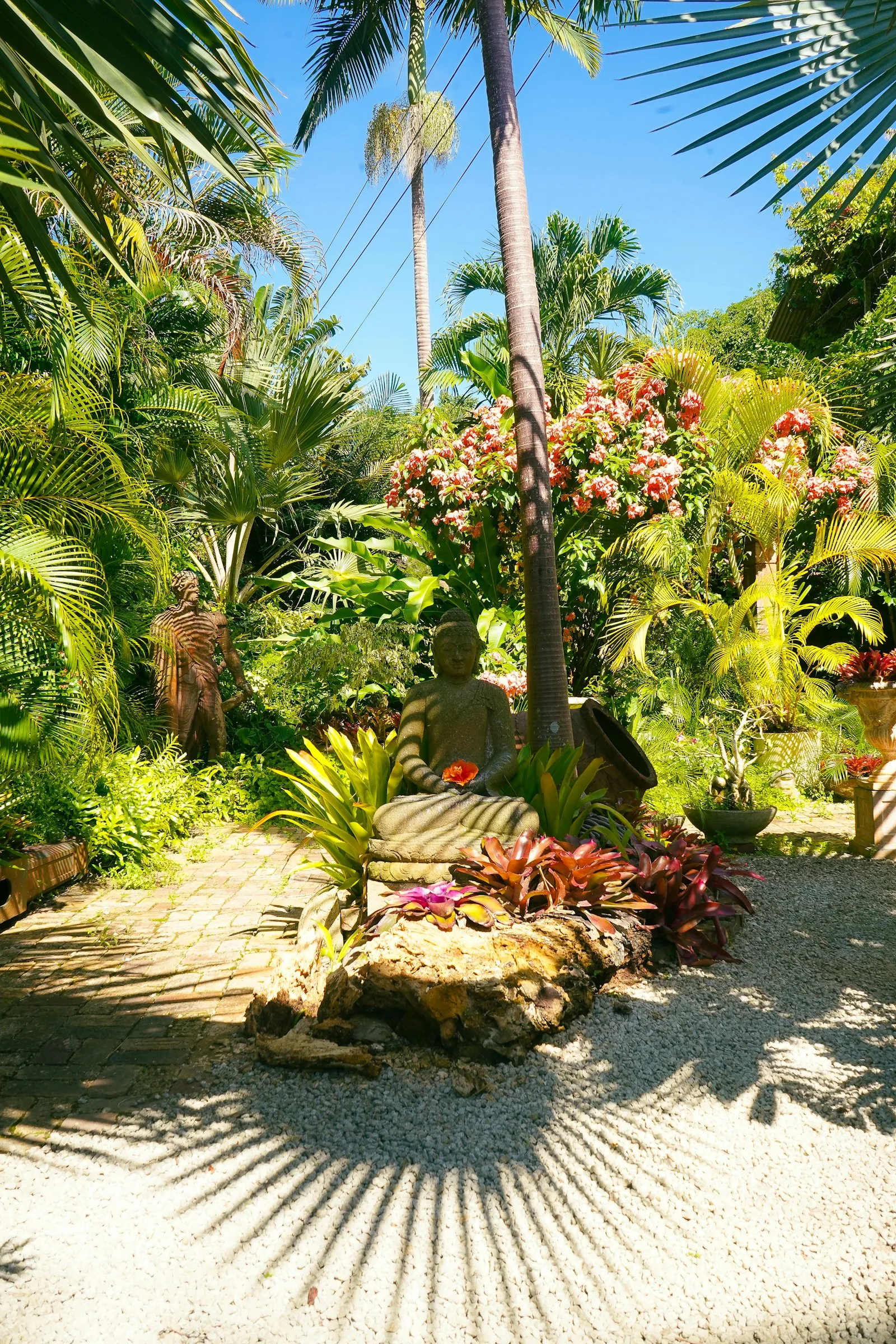
A tropical garden with palm trees and flowers
Photo: Unsplash on Unsplash

—- title: "Gardening on the Gulf Coast: Zones 8–10 Regional Guide" slug: gardening-on-the-gulf-coast hub: care category: Care description: "Gulf Coast gardening guide for zones 8–10 across LA, MS, AL, FL panhandle, Houston, and Galveston. Covers subtropical heat, humidity, tropical plants, fire ants, and two growing seasons." date: 2026-06-10 updated: 2026-06-10 author: "Thomas A." reading_time: 11 —-

Gulf Coast gardening operates on a calendar that baffles visitors from colder climates. In Houston, New Orleans, and Mobile, the question is not whether to plant in winter—it is which vegetables to plant in December and January. The threat is not cold; it is heat, humidity, tropical storms, and the occasional hard freeze that arrives without warning and kills plants that have been growing happily outdoors for three years.

This guide covers the Gulf Coast from the Louisiana coast through Mississippi, southern Alabama, the Florida panhandle, and the Texas Gulf Coast from Beaumont to Brownsville. I do not garden in this region; this guide draws on Texas A&M AgriLife Extension, Louisiana State University AgCenter, Mississippi State Extension, and the University of Florida IFAS.

Table of Contents

  1. USDA Zones and Regional Geography
  2. Soil and Drainage Challenges
  3. First and Last Frost Dates
  4. Seasonal Planting Calendar
  5. What Grows Best on the Gulf Coast
  6. What Does Not Work
  7. Pest Pressure
  8. Disease Pressure
  9. Native Plant Recommendations
  10. Frequently Asked

—-

USDA Zones and Regional Geography {#usda-zones}

Per the USDA Plant Hardiness Zone Map:

ZoneMinimum Winter TempRepresentative Locations
Zone 8a10 to 15°FNorthern Louisiana, central Mississippi, northern Alabama
Zone 8b15 to 20°FBaton Rouge LA, Hattiesburg MS, Mobile AL, Pensacola FL
Zone 9a20 to 25°FNew Orleans LA, Biloxi MS, Houston TX area (most), Galveston TX
Zone 9b25 to 30°FCoastal Louisiana east of New Orleans, southeast Texas coast
Zone 10a30 to 35°FSouth Padre Island, extreme lower Rio Grande Valley

The Gulf Coast's zone designations are based on average minimum winter temperatures, but the freeze events that damage gardens are the anomalous hard freezes that periodically break through the average. Houston experienced a severe anomalous freeze in February 2021 (temperatures fell to 10–15°F in some areas, far below the zone 9a minimum) that killed massive numbers of established palm trees, bougainvillea, and other zone 9–10 plants. Per Texas A&M AgriLife Extension, these anomalous events occur roughly once per decade in the upper Gulf Coast and must be factored into plant selection.

—-

Soil and Drainage Challenges {#soil}

Gulf Coast soils are among the most variable in the country:

Texas Black Prairie and Gulf Prairie: Heavy clay Vertisols dominate the Houston-Beaumont area. Per Texas A&M AgriLife Extension, Houston's clay soils are among the most challenging in the US—they expand when wet, crack severely when dry, and have very low drainage capacity. Per Texas A&M, raised beds of 8–12 inches above grade are the standard recommendation for vegetable gardens in the Houston area.

Louisiana alluvial soils: The Mississippi River delta and bayou country have deep, rich alluvial soils with high organic matter but poor internal drainage. Per LSU AgCenter, many Louisiana garden sites are within the 100-year flood plain and require raised beds or bermed gardens to avoid root flooding during heavy rain events.

Sandy coastal soils: Along the Mississippi and Alabama coasts, barrier island and coastal plain soils are sandy with low fertility. Per Mississippi State Extension, these soils drain well but require regular organic matter additions and more frequent irrigation.

pH: Most Gulf Coast soils are near-neutral to slightly alkaline (pH 6.5–7.5), with calcareous soils along parts of the Texas coast pushing above pH 8.0. Per Texas A&M AgriLife, alkaline soils cause iron chlorosis (yellowing between veins) in acid-preferring plants like azaleas, gardenias, and blueberries. Acidifying amendments (elemental sulfur, ammonium sulfate fertilizer) and acid-specific fertilizers are needed for these plants.

—-

First and Last Frost Dates {#frost-dates}

Per NOAA National Centers for Environmental Information:

USDA ZoneRepresentative CityAverage Last FrostAverage First FrostGrowing Season
Zone 8aShreveport, LAMarch 1–10November 20–30255–270 days
Zone 8bMobile, ALFebruary 20–28December 1–10270–285 days
Zone 9aNew Orleans, LAFebruary 10–20December 10–20280–295 days
Zone 9aHouston, TXFebruary 5–15December 10–25285–300 days
Zone 9bCorpus Christi, TXJanuary 20–31December 20–January 5315–330 days

In zones 9b–10a of the lower Rio Grande Valley, frost is rare and gardening is effectively year-round, with summer heat being the only limiting factor. Per Texas A&M AgriLife, the lower Rio Grande Valley has a growing season of 350+ days for frost-tolerant crops.

—-

Seasonal Planting Calendar {#planting-calendar}

Fall (September–November) — Primary Planting Season

Per Texas A&M AgriLife Extension's vegetable planting guide, fall is the best season for most vegetables on the Gulf Coast:

Winter (December–February, zones 8b–9b) — Active Growing Season

This is the counter-intuitive truth of Gulf Coast gardening: cool-season vegetables grow throughout winter in zones 8b–9b. Per LSU AgCenter:

Spring (March–May)

Per Texas A&M AgriLife, spring planting should begin immediately after last frost (late February–March, zone 9a) with transplants of warm-season crops:

Summer (June–September) — The Difficult Season

Per Texas A&M AgriLife: June–September is not a productive season for most food crops on the Gulf Coast. Temperatures above 95°F are routine; tomato fruit set stops above 92°F. Productive heat crops: okra, sweet potatoes, southern peas, roselle hibiscus. Per LSU AgCenter, maintain established ornamentals with deep weekly irrigation (1.5–2 inches per week); avoid planting.

—-

What Grows Best on the Gulf Coast {#what-grows-best}

Based on trial garden data from Texas A&M AgriLife, LSU AgCenter, and UF IFAS:

PlantZonesNotes
Okra (Abelmoschus esculentus)AnnualThe Gulf Coast's signature food crop; productive through summer heat
Bougainvillea spp.9b–11 (perennial); 8–9a (annual or with frost protection)Spectacular performer in Gulf Coast heat; per Texas A&M, killed to ground in hard freezes
Lantana camara and L. montevidensis8–11 (perennial)Heat-tolerant; per Texas A&M, most reliable flowering shrub for Gulf Coast summers
Camellia japonica7b–9Outstanding in the Gulf Coast's humidity; per LSU AgCenter, fall and winter bloom
Sweet potato (Ipomoea batatas)AnnualThrives in Gulf Coast heat; per Texas A&M, one of the most productive summer crops
Southern peas / cowpea (Vigna unguiculata)AnnualHeat-tolerant legume; staple of Gulf Coast food gardens
Plumbago auriculata (blue plumbago)8b–11Excellent drought-tolerant shrub for Gulf Coast landscapes
Hamelia patens (firebush)8b–11Native to the broader Gulf Coast region; outstanding hummingbird plant
Satsuma mandarin (Citrus unshiu)8b–10The most cold-hardy citrus; per Texas A&M AgriLife, suitable for Gulf Coast zones 8b and warmer
Gardenia jasminoides8a–11Thrives in Gulf Coast heat and humidity
Strelitzia reginae (bird-of-paradise)9a–11Spectacular in zone 9 Gulf Coast gardens; freezes in zone 8 winters
Rosemary (Salvia rosmarinus)7–11Excellent perennial in Gulf Coast heat; per Texas A&M, performs better than in humid Northeast

—-

What Does Not Work {#what-does-not-work}

PlantWhy It FailsNotes
Paeonia lactiflora (peony)Insufficient chilling hours; per LSU AgCenter, peonies require 500+ hours below 40°F—the Gulf Coast rarely delivers thisNot viable in zones 8b–10
Tulipa spp. (tulips)Same chilling problem; per Texas A&M, tulips require refrigerator pre-chilling of 6–8 weeks to bloom in zone 9Treat as expensive annuals with significant preparation cost
DelphiniumFails in summer heat; short-lived spring annual at bestNot worth planting in zone 8b+
Rhubarb (Rheum rhabarbarum)Insufficient winter chilling; per LSU AgCenter, crown rot from summer heat and humidityNot viable on the Gulf Coast
Cool-season vegetables in summerBolt and fail above 85–90°F; this is the most common beginner mistakeLettuce, spinach, broccoli all fail by June
Lupinus (lupine)Requires cool temperatures to perform; per Texas A&M, short-lived and disappointing in Gulf Coast heatNot worth planting

—-

Pest Pressure {#pest-pressure}

Fire Ant

Per Texas A&M AgriLife Extension, fire ants (Solenopsis invicta) are present in every Texas, Louisiana, Mississippi, and Alabama county. They damage plants by constructing mounds in garden beds and protecting sap-sucking insects (aphids, whiteflies) from predators. Per Texas A&M, the Two-Step Method is the most effective management: broadcast spinosad or hydramethylnon bait across the entire property twice yearly, then treat visible mounds individually.

Whitefly

Bemisia tabaci (silverleaf whitefly) and Trialeurodes vaporariorum (greenhouse whitefly) are severe in Gulf Coast gardens year-round in zones 9–10. Per UF IFAS, whiteflies feed on hundreds of plant species and transmit tomato yellow leaf curl virus. Yellow sticky traps monitor populations; reflective mulch deters landing; insecticidal soap and neem oil provide some control; natural enemies (parasitic wasps) are often the most effective long-term management.

Aphids

Per LSU AgCenter, aphid pressure on the Gulf Coast is year-round rather than seasonal, as the mild winters do not provide the cold kill that limits aphid populations farther north. Encourage ladybugs and lacewings; use strong water spray to knock aphids off plants; apply neem oil or insecticidal soap as needed.

PestTarget PlantsPrimary Source
Fire ant (Solenopsis invicta)All garden plants (mounds)Texas A&M AgriLife
Silverleaf whitefly (Bemisia tabaci)Tomatoes, squash, beans, ornamentalsUF IFAS
AphidsVegetables, roses, tropicalsLSU AgCenter
Squash vine borer (Melittia cucurbitae)Summer squash, zucchiniTexas A&M AgriLife
Tomato fruitworm / corn earworm (Helicoverpa zea)Tomatoes, corn, peppersMississippi State Extension
Scale insectsGardenias, hollies, citrusLSU AgCenter

—-

Disease Pressure {#disease-pressure}

DiseasePathogenMost Affected PlantsNotes
Early blightAlternaria solaniTomatoesEndemic; per Texas A&M AgriLife, lower leaf spraying with copper fungicide at first symptom slows but does not stop progression
Powdery mildewErysiphe and Podosphaera spp.Squash, cucumbers, crape myrtlePer LSU AgCenter, resistant cultivars are the primary tool
Cercospora leaf spotCercospora spp.Gardenias, crape myrtle, beetsHumidity favors; improve air circulation
Root rotPhytophthora and Pythium spp.All plants in poorly drained soilsPer Texas A&M AgriLife, the single most common cause of plant failure in Houston's clay soils; raised beds and improved drainage prevent it
Sooty moldAssociated with whitefly/aphid honeydewGardenias, hollies, citrusPer UF IFAS, not a primary pathogen—control the insect producing honeydew and sooty mold disappears
Bacterial wiltRalstonia solanacearumTomatoes, peppers, potatoesPer LSU AgCenter, soil-borne; no chemical cure; rotate solanaceous crops on 3-year minimum rotation

—-

Native Plant Recommendations {#native-plants}

Per Texas A&M AgriLife Extension, LSU AgCenter, and the Lady Bird Johnson Wildflower Center:

PlantUSDA ZonesWildlife ValueNotes
Hamelia patens (firebush)8b–11Hummingbirds, butterfliesNative to Gulf Coast region; blooms summer through frost
Salvia coccinea (tropical sage)8–11Hummingbirds, beesNative; self-seeds freely in Gulf Coast gardens
Quercus virginiana (live oak)7b–10Supports 500+ caterpillar speciesSignature Gulf Coast native tree
Celtis laevigata (sugarberry hackberry) — native5–9Birds, butterfliesTolerates Gulf Coast clay and flooding
Muhlenbergia capillaris (muhly grass)5–9Birds, wildlife coverOutstanding Gulf Coast native grass; spectacular fall bloom
Callicarpa americana (American beautyberry)6–10BirdsNative; tolerates partial shade
Physostegia virginiana (obedient plant)3–9Bees, hummingbirdsNative; spreads in moist Gulf Coast soils
Ilex vomitoria (yaupon holly) — native7–9Birds (fruit)Extremely adaptable Gulf Coast native; drought and flood tolerant

—-

Frequently Asked {#frequently-asked}

When do I plant tomatoes in Houston or New Orleans?

The Gulf Coast has two tomato windows, per Texas A&M AgriLife Extension. The spring window: transplant in early March (Houston) to late February (New Orleans), 2–4 weeks after average last frost. Choose 65–70 day varieties to produce before summer heat stops fruit set in June. The fall window: transplant in late August to September 15, using transplants started indoors in late July. Per Texas A&M, fall tomatoes in zone 9 often outperform spring ones because the fall weather window is longer before frost ends the season.

How do I grow gardenias in Houston's alkaline soils?

Per Texas A&M AgriLife Extension, gardenias require pH 5.0–6.0 to uptake iron efficiently. Houston's calcareous clay soils are pH 7.0–7.8, causing the iron chlorosis (yellowing between veins on new growth) that kills gardenias slowly. Solutions: acidify the planting hole and surrounding soil with elemental sulfur at 1–2 lbs per 10 square feet; mulch with pine bark; fertilize with chelated iron (iron EDTA or iron EDDHA) annually in spring; do not lime. Growing gardenias in raised beds with acidic soil mix is the most reliable approach.

What happened to all the sago palms and gardenias after the February 2021 freeze in Houston?

The February 2021 Texas freeze (Winter Storm Uri) brought temperatures to 10–15°F in parts of the Houston metro area—temperatures that would be unusual even in zone 7a. Per Texas A&M AgriLife Extension, most Cycas revoluta (sago palm) established in the ground in Houston were killed or severely damaged. Gardenias, lantana, and many other zone 8b–9a staples died to the ground or were killed outright. The event illustrated the difference between USDA zone (based on average minimums) and actual plant survival during exceptional cold events. Per Texas A&M, gardeners in zone 8b–9a should consider protecting valuable tropicals with frost cloth when temperatures below 20°F are forecast.

Is the Gulf Coast too humid for herbs?

Most culinary herbs prefer warm, well-drained conditions. Per LSU AgCenter, basil, rosemary, thyme, and oregano all perform well in Gulf Coast conditions with adequate drainage. Basil is exceptional in Gulf Coast heat; it is one of the most productive warm-season crops. The herbs that struggle are those that require cool temperatures (cilantro bolts in Gulf Coast heat by April—grow it as a fall/winter crop) or those prone to fungal disease in humidity (many mint varieties develop rust and leaf spot). Per LSU AgCenter, grow mint in containers to control its spread and reduce foliar disease by improving air circulation.

—-

Recommended gear: Best Neem Oil for Gardens: How It Works and When to Use It — our buyer's guide covering picks for every budget, ranked by Extension publication consensus and personal use.

Sources

  1. Texas A&M AgriLife Extension &mdash; <a href="https://agrilifeextension.tamu.edu/">Texas A&M AgriLife Home</a>.
  2. LSU AgCenter &mdash; <a href="https://www.lsuagcenter.com/">Louisiana State University AgCenter Home</a>.
  3. Mississippi State University Extension &mdash; <a href="https://extension.msstate.edu/">MSU Extension Home</a>.
  4. University of Florida IFAS &mdash; <a href="https://ifas.ufl.edu/">UF IFAS Home</a>.
  5. USDA Agricultural Research Service &mdash; <a href="https://planthardiness.ars.usda.gov/">USDA Plant Hardiness Zone Map</a>.
  6. NOAA National Centers for Environmental Information &mdash; <a href="https://www.ncei.noaa.gov/">Climate Data</a>.
  7. Lady Bird Johnson Wildflower Center &mdash; <a href="https://www.wildflower.org/">Native Plant Database</a>.

Sources