Regional

Gardening in the Mountain West: Zones 3–6 Regional Guide

title: "Gardening in the Mountain West: Zones 3–6 Regional Guide"
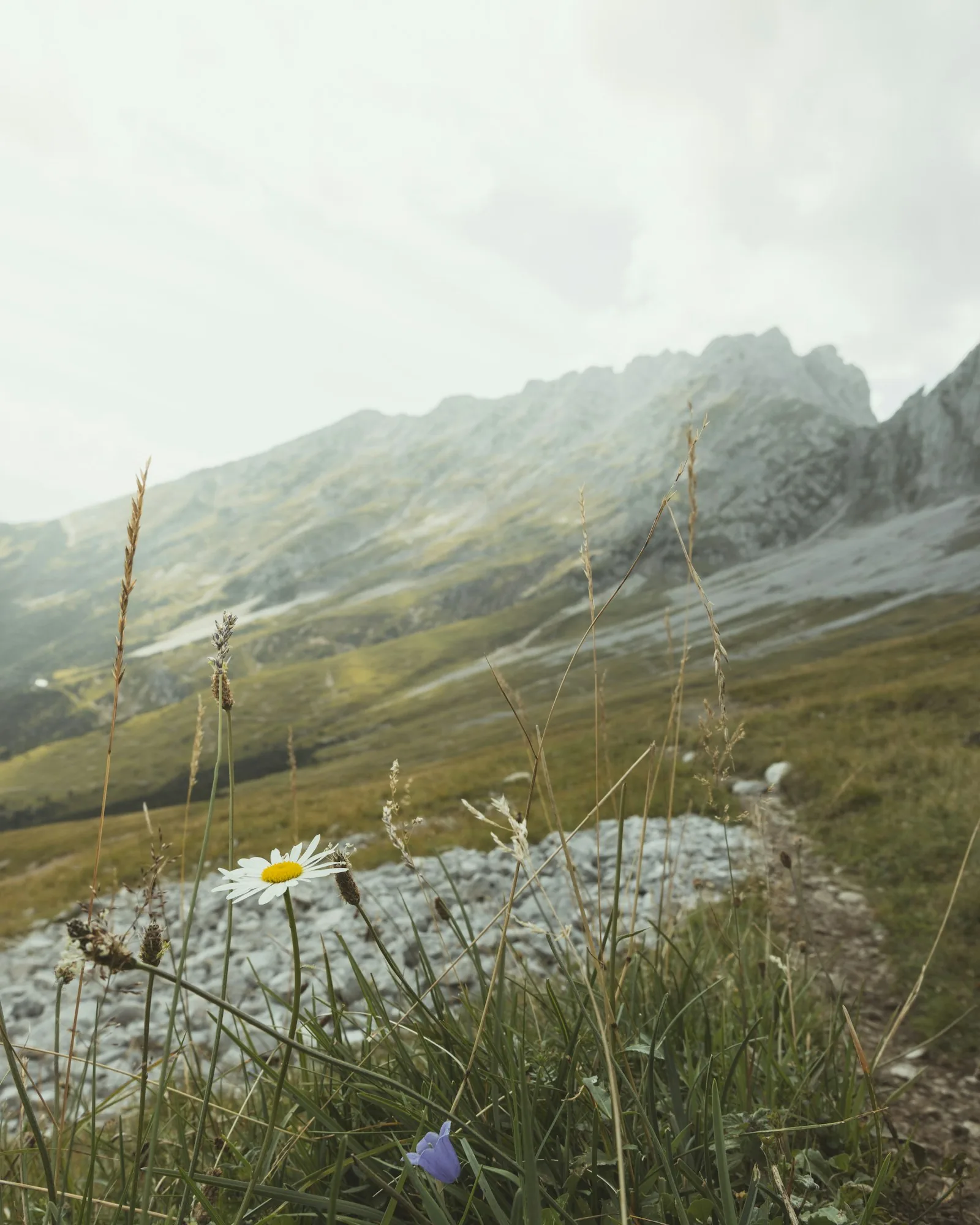
Grassy mountain slope with wildflowers and rocky path
Photo: Unsplash on Unsplash

—- title: "Gardening in the Mountain West: Zones 3–6 Regional Guide" slug: gardening-in-the-mountain-west hub: care category: Care description: "Mountain West gardening guide for zones 3–6 in CO, UT, WY, MT, ID, and NM. Covers elevation effects, alkaline soils, intense UV, dry air, short seasons, and high-altitude plant strategies." date: 2026-06-10 updated: 2026-06-10 author: "Thomas A." reading_time: 12 —-

The Mountain West presents the most complex gardening puzzle in the continental US. Your USDA zone tells you your minimum winter temperature, but at elevation it tells you almost nothing about your actual growing conditions. A garden in Denver (zone 6a, 5,280 feet elevation) and a garden in Fort Collins (zone 5b, 4,980 feet) and a garden in Estes Park (zone 4b, 7,500 feet) all differ in ways the zone number cannot capture: frost frequency even in June, intense UV radiation at altitude, extreme daily temperature swings (40-degree shifts between afternoon high and overnight low are common), almost zero humidity, and alkaline soils that require specific management.

This guide covers Colorado, Utah, Wyoming, Montana, Idaho, and New Mexico. It draws on Colorado State University Extension, Utah State University Extension, University of Wyoming Extension, Montana State University Extension, University of Idaho Extension, and New Mexico State University Extension.

Table of Contents

  1. USDA Zones, Elevation, and What They Mean Here
  2. Soil: Alkaline, Dry, and Low Organic Matter
  3. First and Last Frost Dates
  4. Seasonal Planting Calendar
  5. What Grows Best in the Mountain West
  6. What Does Not Work
  7. Pest Pressure
  8. Disease Pressure
  9. Native Plant Recommendations
  10. Frequently Asked

—-

USDA Zones, Elevation, and What They Mean Here {#usda-zones}

Per the USDA Plant Hardiness Zone Map:

ZoneMinimum Winter TempRepresentative Locations and Elevations
Zone 3a-40 to -35°FNorthern Montana, high-altitude Wyoming basins
Zone 3b-35 to -30°FBillings MT (3,100 ft), central Wyoming
Zone 4a-30 to -25°FMissoula MT, Bozeman MT area
Zone 4b-25 to -20°FSalt Lake City valley bottom, Casper WY
Zone 5a-20 to -15°FDenver CO (5,280 ft), Albuquerque NM
Zone 5b-15 to -10°FGrand Junction CO (4,600 ft), Boise ID
Zone 6a-10 to -5°FSalt Lake City urban areas, southern Utah valleys
Zone 6b-5 to 0°FTucson AZ foothills / Santa Fe area lower elevations

The elevation adjustment: Per Colorado State University Extension, temperature drops approximately 3.5°F per 1,000 feet of elevation gain. A plant that is hardy to zone 6a at Denver (5,280 ft) may be zone 5a or 5b at Colorado Springs (6,035 ft) and zone 4b at Estes Park (7,522 ft). The USDA zone map does not fully resolve these elevation-driven microclimates. Always check the actual elevation and local frost date data for your specific site.

Frost in June. Per Colorado State University Extension, late frosts in May and even early June occur regularly in Denver and Front Range communities. The "average last frost" date is a 50% probability—at 5,000+ feet elevation, using the 10% probability date (which can be 2–4 weeks later) is safer for frost-sensitive transplants.

—-

Soil: Alkaline, Dry, and Low Organic Matter {#soil}

Mountain West soils are predominantly alkaline Aridisols and Mollisols derived from calcareous parent rock, with characteristics that challenge conventional gardening approaches:

High pH. Per Colorado State University Extension, Front Range Colorado soils typically run pH 7.0–8.0, with some sites reaching pH 8.5 in areas with calcite hardpan (caliche). Alkaline soils limit iron, manganese, zinc, and phosphorus availability. Per CSU Extension, iron chlorosis (yellowing between leaf veins) in roses, pin oaks, and other plants sensitive to pH is the most common plant health problem on the Front Range.

Caliche. Per New Mexico State University Extension, caliche—hardened calcium carbonate deposits at 12–36 inches depth—is common throughout much of New Mexico, Utah, and western Colorado. Caliche forms an impermeable layer that prevents drainage and root penetration. Breaking through caliche for tree planting requires a tile spade or pry bar; raised beds above caliche are the standard vegetable garden solution.

Low organic matter. Mountain West soils typically have 0.5–2% organic matter outside naturally moist areas. Per CSU Extension, annual compost additions of 3–4 inches in new beds and 1–2 inches as topdressing on established beds is standard practice.

Amendments. Per Utah State University Extension, amending pH downward in Mountain West soils with elemental sulfur is possible but requires sustained effort—calcareous soils have enormous buffering capacity. The practical approach: use raised beds with imported acidic soil for acid-preferring plants, and choose alkaline-tolerant plants for in-ground planting.

—-

First and Last Frost Dates {#frost-dates}

Per NOAA National Centers for Environmental Information and Colorado State University Extension:

USDA Zone/LocationElevationAverage Last FrostAverage First FrostGrowing Season
Billings, MT (zone 4a)3,120 ftMay 1–10October 1–10140–155 days
Bozeman, MT (zone 4b)4,793 ftMay 15–25September 15–25110–125 days
Denver, CO (zone 5b)5,280 ftMay 5–15October 5–15140–155 days
Colorado Springs, CO (zone 5a)6,035 ftMay 10–20October 1–10130–145 days
Albuquerque, NM (zone 7a)5,312 ftApril 15–25November 1–10185–200 days
Salt Lake City, UT (zone 6b)4,226 ftApril 20–30October 20–31170–185 days
Boise, ID (zone 6b)2,730 ftApril 15–25October 20–30175–190 days

Boise's relatively low elevation (for the Mountain West) and protection from Arctic air masses by the surrounding mountains gives it a longer season than comparable Colorado sites. Per University of Idaho Extension, Boise's zone 6b designation is among the more reliable in the Mountain West because winter cold comes late and does not persist.

—-

Seasonal Planting Calendar {#planting-calendar}

Per Colorado State University Extension and Utah State University Extension:

Late Winter / Early Spring (March–April, zones 5–6)

Late Spring (After last frost — use conservative dates at elevation)

Summer

Fall

—-

What Grows Best in the Mountain West {#what-grows-best}

Based on performance data from CSU Extension, USU Extension, and Montana State Extension:

PlantZonesNotes
Penstemon strictus (Rocky Mountain penstemon) — native3–8Outstanding drought tolerance; native to the region; blue-purple flowers in spring
Perovskia atriplicifolia (Russian sage)4–9Excellent in alkaline soils; drought-tolerant; per CSU Extension, one of the best perennials for Front Range conditions
Salvia × sylvestris4–9Heat and drought tolerant; alkaline soil tolerant
Echinacea purpurea (purple coneflower)3–9Adaptable across Mountain West zones
Syringa vulgaris (lilac)3–7Thrives in alkaline Mountain West soils; per USU Extension, outstanding performer in Utah valley gardens
Paeonia lactiflora (peony)3–8Cold winters provide the chilling hours peonies require; per CSU Extension, peonies perform well in the Mountain West
Garlic (Allium sativum) — hardneck types3–8Hardneck varieties suit Mountain West cold winters
Iris germanica (bearded iris)3–9Thrives in the dry, alkaline Mountain West; per CSU Extension, bearded iris is one of the most adapted ornamentals for the Front Range
Artemisia ludoviciana (white sagebrush) — native4–9Extreme drought and alkaline soil tolerance; silver foliage
Amelanchier alnifolia (Saskatoon serviceberry) — native2–6Native; drought-tolerant shrub/tree; edible fruit
Rudbeckia hirta (black-eyed Susan)3–9Annual/biennial in Mountain West; excellent sun and drought tolerance
Potatoes (Solanum tuberosum)AnnualPotato is extremely well-suited to Mountain West cool-night conditions

—-

What Does Not Work {#what-does-not-work}

PlantWhy It FailsNotes
Rhododendron spp.Require acidic, moist, humus-rich soil; Mountain West alkaline, dry soils are the oppositeContainer-only with acidic mix; impractical for most gardeners
Camellia spp.Not cold-hardy below zone 7bNot viable in zones 3–6 Mountain West
Gardenia jasminoidesNot cold-hardy below zone 7b; requires humidityNot viable in the Mountain West
AzaleasSame acid/moisture requirements as rhododendronsNot practical in the Mountain West except in containers
Magnolia grandiflora (Southern magnolia)Not cold-hardy in zones 3–5; requires humidityMarginal at best in zone 6b sheltered sites; not reliable
Hydrangea macrophylla (bigleaf hydrangea)Flower buds winter-kill in zones 3–5; dry Mountain West summer air stresses plantsUse H. paniculata or H. arborescens instead; per CSU Extension, bigleaf hydrangea is one of the most disappointing plants for Front Range gardeners
Cool-season vegetables in summer above 8,000 feetToo short a season for most vegetables at high elevationsPer CSU Extension, growing seasons above 8,000 feet are often fewer than 90 days, requiring extraordinary cold-season management

—-

Pest Pressure {#pest-pressure}

Gophers

Pocket gophers (Thomomys spp.) are among the most damaging garden pests in the Mountain West. Per Colorado State University Extension, pocket gophers feed on roots of virtually any garden plant and can kill established trees and shrubs by completely girdling the root system. The only reliable barrier is hardware cloth (1/4 inch mesh) buried 24 inches deep and bent outward 12 inches at the base of raised beds or tree wells. Trapping is the primary control method for established gophers; per CSU Extension, box traps placed in main gopher tunnels are effective.

Grasshoppers

Per Utah State University Extension, grasshopper pressure in the Mountain West is significant in dry years, particularly in Utah, Wyoming, and Nevada. Spinosad-based baits (Nolo Bait or Semaspore, containing Nosema locustae) applied to field edges in spring can reduce populations. Physical floating row cover protection is effective for vegetable gardens.

Hail Damage

While not a pest, hail deserves mention as one of the Mountain West's most significant physical plant threats. Per CSU Extension, Colorado's Front Range and eastern plains are among the most hail-prone areas in the US; hailstorms in June and July can completely defoliate vegetable gardens in minutes. Portable hail protection (loose hail netting or shade cloth at 30% over raised beds) is standard equipment for serious Mountain West food gardeners.

PestTarget PlantsPrimary Source
Pocket gophers (Thomomys spp.)All garden plants (roots)CSU Extension
Grasshoppers (Melanoplus spp.)All garden plants in outbreak yearsUSU Extension
AphidsRoses, vegetablesMontana State Extension
Codling moth (Cydia pomonella)Apples, pearsUniversity of Idaho Extension
Spider mites (Tetranychus urticae)Tomatoes, beans, many plants — severe in hot dry Mountain West summersCSU Extension

—-

Disease Pressure {#disease-pressure}

DiseasePathogenMost Affected PlantsNotes
Iron chlorosispH-induced deficiency (not a pathogen)Roses, pin oaks, rhododendronsPer CSU Extension, the #1 plant health problem in Front Range gardens; treat with chelated iron EDDHA
Powdery mildewErysiphe spp.Squash, cucumbers, phloxThe dry Mountain West is not immune; cool nights and daytime heat create favorable conditions
Verticillium wiltVerticillium dahliaeTomatoes, strawberriesSoil-borne; rotate solanaceous crops
FireblightErwinia amylovoraApples, pears, crabapplesPer USU Extension, common in Utah valley apple orchards; choose resistant rootstocks
Root rotPhytophthora spp.Most plants in poorly drained or over-irrigated sitesPer CSU Extension, the second most common plant problem on the Front Range after chlorosis; the dry climate causes gardeners to over-water, creating root rot conditions
Bacterial leaf scorchXylella fastidiosaOaks, elms, maplesPer CSU Extension, present on the Front Range; causes marginal leaf browning

—-

Native Plant Recommendations {#native-plants}

Per Colorado State University Extension, Montana State University Extension, and the Lady Bird Johnson Wildflower Center:

PlantUSDA ZonesWildlife ValueNotes
Penstemon strictus (Rocky Mountain penstemon)3–8Native bees, hummingbirdsNative; one of the most drought-tolerant Mountain West perennials
Gaillardia aristata (blanketflower) — native3–9Native bees, butterfliesNative to Mountain West prairies; extreme drought tolerance
Artemisia tridentata (big sagebrush)4–9Sage grouse, pronghorn, native insectsIconic Mountain West native; highly drought tolerant
Amelanchier alnifolia (Saskatoon serviceberry)2–6Birds (fruit), native beesNative shrub/tree; edible berries; excellent cold hardiness
Symphoricarpos albus (common snowberry)3–7Birds (fruit), pollinatorsNative; deer resistant; white berries in fall
Populus tremuloides (quaking aspen) — tree1–7Supports 400+ caterpillar species; cavity-nesting birdsNative; grows in clonal colonies; stunning fall color
Bouteloua gracilis (blue grama)3–10Ground-nesting birdsThe most drought-tolerant native grass of the Mountain West
Eriogonum umbellatum (sulphur buckwheat)3–8Native bees (specialist on Eriogonum pollen)Native groundcover; exceptional drought tolerance

—-

Frequently Asked {#frequently-asked}

Why do my plants look sunburned even in spring in Denver?

Per Colorado State University Extension, the Mountain West receives 25–30% more solar UV radiation per unit area than sea-level locations at the same latitude, due to thinner atmosphere at elevation. This UV intensity can cause real leaf-tissue damage in spring when plants are newly emerged or freshly transplanted and not yet developed a protective wax layer. Per CSU Extension, hardening off transplants gradually—starting with 2–3 hours of morning sun and increasing over 7–10 days—is especially important at altitude.

Can I grow tomatoes successfully at Denver's elevation?

Yes, but with significant management. Per Colorado State University Extension, the compressed warm season (soil warm enough for tomatoes from late May to first frost in mid-October) requires choosing varieties with 60–75 day maturity and transplanting into warm soil (above 60°F). Cool nights are actually favorable for flavor but can slow fruit set if temperatures drop below 55°F. Per CSU Extension, Wall-O-Water season extenders allow transplanting 4–6 weeks earlier than unprotected transplants in Denver, effectively extending the tomato season by 30+ days.

What is the best lawn grass for Colorado's Front Range?

Per Colorado State University Extension, tall fescue (Festuca arundinacea) has become the preferred lawn grass for Front Range Colorado because it tolerates both the winter cold and summer heat better than Kentucky bluegrass and requires less water than bluegrass to maintain in the region's dry summers. Kentucky bluegrass performs well in Colorado but requires 1.5–2 inches of water per week in summer. Per CSU Extension, tall fescue can maintain acceptable appearance with 0.8–1.2 inches per week once established. Buffalograss (Bouteloua dactyloides) is the most drought-tolerant option but goes dormant and brown in cool periods.

How do I deal with alkaline soil without raised beds?

Per New Mexico State University Extension, the most practical in-ground approach for alkaline Mountain West soils is: (1) annual incorporation of 3–4 inches of compost, which slightly lowers pH over time through acidification as it decomposes; (2) application of chelated iron (EDDHA formulation) in spring for iron-hungry plants; (3) choosing alkaline-tolerant plants from the native palette—most failure in Mountain West gardens comes from trying to grow acid-loving plants from Eastern US nursery catalogs in soils they cannot tolerate. Per NMSU Extension, garden catalogs written for the Pacific Northwest, New England, or the Southeast are not good guides for Mountain West plant selection.

—-

Recommended gear: Best Floating Row Covers for Pest Exclusion (2026) — our buyer's guide covering picks for every budget, ranked by Extension publication consensus and personal use.

Sources

  1. Colorado State University Extension &mdash; <a href="https://extension.colostate.edu/">CSU Extension Home</a>.
  2. Utah State University Extension &mdash; <a href="https://extension.usu.edu/">USU Extension Home</a>.
  3. University of Wyoming Extension &mdash; <a href="https://www.uwyo.edu/uwextension/">UW Extension Home</a>.
  4. Montana State University Extension &mdash; <a href="https://www.montana.edu/extension/">MSU Extension Home</a>.
  5. University of Idaho Extension &mdash; <a href="https://www.uidaho.edu/extension">UI Extension Home</a>.
  6. New Mexico State University Extension &mdash; <a href="https://aces.nmsu.edu/">NMSU Extension Home</a>.
  7. USDA Agricultural Research Service &mdash; <a href="https://planthardiness.ars.usda.gov/">USDA Plant Hardiness Zone Map</a>.
  8. NOAA National Centers for Environmental Information &mdash; <a href="https://www.ncei.noaa.gov/">Climate Data</a>.
  9. Lady Bird Johnson Wildflower Center &mdash; <a href="https://www.wildflower.org/">Native Plant Database</a>.

Sources