Herb

Growing Sage Outdoors: Zones, Care, and Harvesting

title: "Growing Sage Outdoors: Zones, Care, and Harvesting"

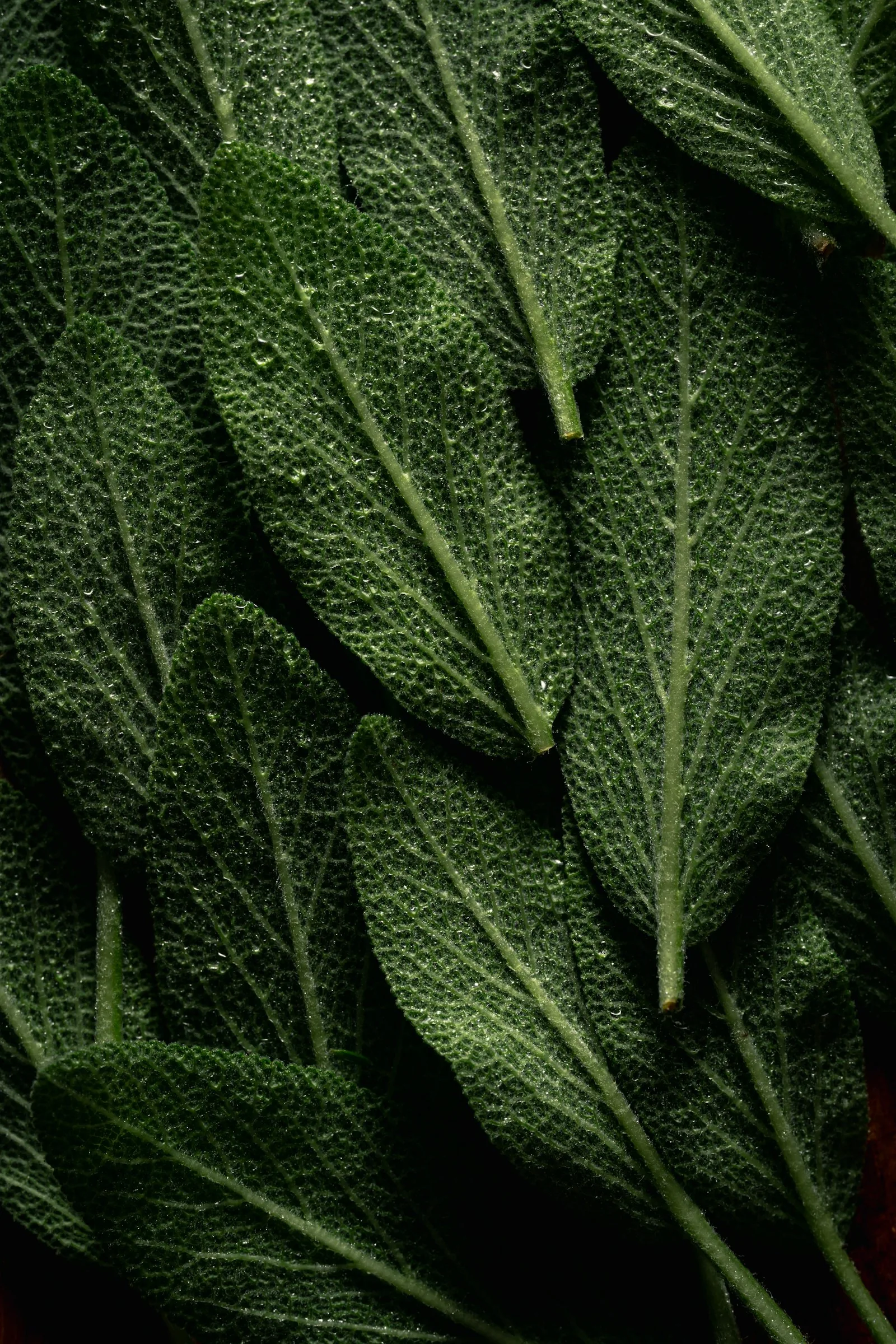
Sage plant with green leaves
Photo: Unsplash on Unsplash

—- title: "Growing Sage Outdoors: Zones, Care, and Harvesting" slug: growing-sage hub: vegetables category: Herb description: "How to grow garden sage outdoors — hardiness zones 4–8, soil drainage, annual pruning to prevent woodiness, harvesting for peak flavor, and container guidance." date: 2026-06-10 updated: 2026-06-10 author: "Thomas A." reading_time: 7 —-

Salvia officinalis, garden sage, is a woody perennial native to the Mediterranean that occupies a similar cultural niche as rosemary and thyme: full sun, lean well-drained soil, drought tolerance once established, and a tendency to become unproductive with age if not pruned back regularly. Unlike rosemary, sage is reliably hardy through zone 4 with good drainage, making it a practical perennial across much of the northeastern United States.

I don't grow sage at the Long Island plot. The guide below is sourced from university Extension publications.

Quick Facts

AttributeDetail
Scientific nameSalvia officinalis
Plant typeWoody subshrub; perennial zones 4–8
USDA zones4–8 for the species; ornamental varieties zones 5–8
Cold toleranceHardy to -30°F (zone 4) in well-drained soil
LightFull sun, 6–8 hours minimum
Soil pH6.0–7.0
WaterDrought-tolerant once established
Mature size18–30 inches tall, 24–36 inches wide

USDA Hardiness Zone

Per Missouri Botanical Garden, garden sage is hardy in USDA zones 4 to 8. It is native to the northern Mediterranean coast and is adapted to cold winters provided soil drainage is adequate.

Per NC State Extension Plant Toolbox, sage is "reliably perennial in zones 4 to 8." In zone 9 and warmer, it tends to decline due to heat and humidity and is often grown as an annual.

Ornamental-foliage varieties:

In zone 7a Long Island, the species and 'Berggarten' are reliable perennials. 'Purpurascens' overwinters but may die back further. 'Tricolor' is borderline and not recommended for zone 7a without winter protection.

Light Requirements

Per Clemson HGIC, sage requires "full sun — at least 6 to 8 hours of direct sunlight daily." In partial shade, plants produce more stem elongation and less leaf density, with reduced essential oil content. Per Missouri Botanical Garden, sage in full sun "has the best flavor and most compact habit."

Soil and Drainage

Per Clemson HGIC, sage requires "well-drained, moderately fertile soil." Like other Mediterranean herbs, it performs poorly in heavy, wet soil, particularly in winter. Per Penn State Extension, sage "prefers soil with a pH of 6.0 to 7.0" and benefits from "good air circulation around the plant" to reduce fungal disease.

On sandy loam in zone 7a, sage is a reliable low-maintenance perennial. On clay soils, raised bed planting with a 50/50 mix of native soil and coarse sand or perlite is advisable.

Watering

Per NC State Extension Plant Toolbox, established sage is "drought-tolerant" and native to summer-dry Mediterranean climates. Young transplants need 1 inch of water per week during establishment. Once established (6–8 weeks), sage tolerates periods of drought without significant stress.

Per Clemson HGIC, overwatering is more dangerous to sage than drought. Wet soil in winter is the primary cause of sage plant loss in zones 4–7. Reduce watering in fall as growth slows.

Fertilizing

Per Penn State Extension, sage needs "light fertility." A single application of Espoma Plant-tone (5-3-3 organic) at half the label rate in early spring is sufficient for established plants. Rich soil and excess nitrogen produce soft, lush growth with lower essential oil concentration and reduced cold hardiness.

Pruning: Critical for Long-Term Productivity

Per Clemson HGIC, sage "becomes woody and less productive" without regular pruning. The correct approach:

Per Penn State Extension, never cut into bare wood below the lowest leaves on any branch — sage does not regenerate from old, leafless wood.

Propagation

Per NC State Extension Plant Toolbox, sage is "easily propagated by stem cuttings in summer." Take 4–6 inch cuttings from non-flowering stems, remove lower leaves, and root in moist vermiculite or perlite. Per Clemson HGIC, cuttings root in 2–3 weeks. This is the best way to perpetuate named cultivars or to replace aging plants.

Sage can also be grown from seed, but named cultivars (especially ornamental ones) do not come true from seed.

Harvesting and Storage

Per Clemson HGIC, harvest sage by "cutting stem tips — 4 to 6 inches of new growth at a time." The best flavor occurs just before or at the start of flowering. Morning harvest after dew has dried gives the highest essential oil content.

Do not remove more than one-third of the plant at one harvest. Sage grows more slowly than basil or mint and takes longer to recover from heavy cutting.

Drying: Sage dries well. Per Clemson HGIC, bundle stems and hang in a warm, dark, well-ventilated area for 1–2 weeks. Dried sage retains good flavor for 1–2 years when stored in airtight containers away from light. The flavor of dried sage is more intensely cooked-food oriented than fresh — fresh sage has a more complex, slightly bitter aromatic that dried sage doesn't fully replicate.

Fresh storage: Fresh sage keeps 1–2 weeks refrigerated, wrapped in a damp paper towel in a bag. Alternatively, stand stems in a small glass of water.

Freezing: Freeze individual leaves on a baking sheet, then transfer to a bag. Frozen sage works in cooked applications (stuffing, browned butter, pasta).

Container vs. In-Ground

Per Penn State Extension, sage grows well in containers with adequate drainage. Use a 12–14 inch container with drainage holes and a well-draining potting mix. Sage in containers dries out faster than in-ground plants — check moisture every 2–3 days in summer, allowing the top inch to dry before watering.

In zone 7a and warmer, in-ground planting is preferred for long-lived perennial sage because roots can grow deeply and find moisture during dry periods. A Smart Pot fabric container in 5–7 gallon size provides good drainage for container growing.

Pests and Diseases

Sage has few serious pest issues. Per Clemson HGIC:

Common Problems

SymptomCauseFix
Woody, non-productive stemsInsufficient annual pruningCut back one-third in early spring; after 4–5 years, replace plant
Plant dies over winterWet, poorly-drained soilImprove drainage; plant in raised bed; avoid heavy clay
White powder on leavesPowdery mildewIncrease plant spacing; improve air circulation
Leggy growthInsufficient sunMove to 6+ hours of direct sun daily
Wilting despite moist soilRoot rotCheck roots; if rotted, improve drainage or replant in better site
'Tricolor' or 'Purpurascens' dying in winterInsufficient cold hardiness for zone 7aReplace with the species or 'Berggarten' for reliable zone 7 performance

Frequently Asked

Is sage perennial?

Yes, in zones 4–8. Per Missouri Botanical Garden, garden sage is "hardy in zones 4 to 8." It is one of the hardier Mediterranean herbs, tolerating zone 4 winters with good drainage. In zone 9 and warmer, it typically declines due to heat and humidity and is treated as an annual.

How do I prevent sage from getting woody?

Annual pruning is the key. Per Clemson HGIC, cut back by one-third in early spring and again after flowering. This keeps fresh vegetative growth coming from lower on the plant. Never cut into bare, leafless wood. Plants older than 4–5 years that have become heavily woody are better replaced than rescued — take cuttings from productive stems before removing the old plant.

What is the difference between green sage and purple sage?

Green garden sage (S. officinalis) is the standard culinary type and the hardiest, to zone 4. Purple sage ('Purpurascens') has attractive reddish-purple foliage, similar flavor, and is slightly less cold-hardy (zone 5 minimum). 'Tricolor' has cream, green, and purple variegation; it is ornamental but less cold-hardy (zone 6–7) and less vigorous than the species. Per NC State Extension Plant Toolbox, all culinary types are used similarly in cooking.

Can I grow sage in a pot?

Yes. Per Penn State Extension, sage grows well in containers with good drainage. Use a 12–14 inch pot with drainage holes, a well-draining mix, and place in full sun. In zones 4–6, container sage can overwinter in an unheated garage or cold frame — the plant benefits from cold dormancy and should not be kept warm indoors over winter.

—-

Recommended gear: Best Raised Garden Bed Kits: Cedar vs. Metal vs. Fabric — our buyer's guide covering picks for every budget, ranked by Extension publication consensus and personal use.

Sources

  1. NC State Extension Plant Toolbox &mdash; <a href="https://plants.ces.ncsu.edu/plants/salvia-officinalis/">Salvia officinalis (Sage)</a>.
  2. Missouri Botanical Garden &mdash; <a href="https://www.missouribotanicalgarden.org/PlantFinder/PlantFinderDetails.aspx?kempercode=b553">Salvia officinalis</a>.
  3. Clemson HGIC &mdash; <a href="https://hgic.clemson.edu/factsheet/sage/">Sage</a>.
  4. Penn State Extension &mdash; <a href="https://extension.psu.edu/herb-gardening">Herb Gardening</a>.

Sources