Herb

Growing Chives Outdoors: Zone, Care, and Harvesting

title: "Growing Chives Outdoors: Zone, Care, and Harvesting"

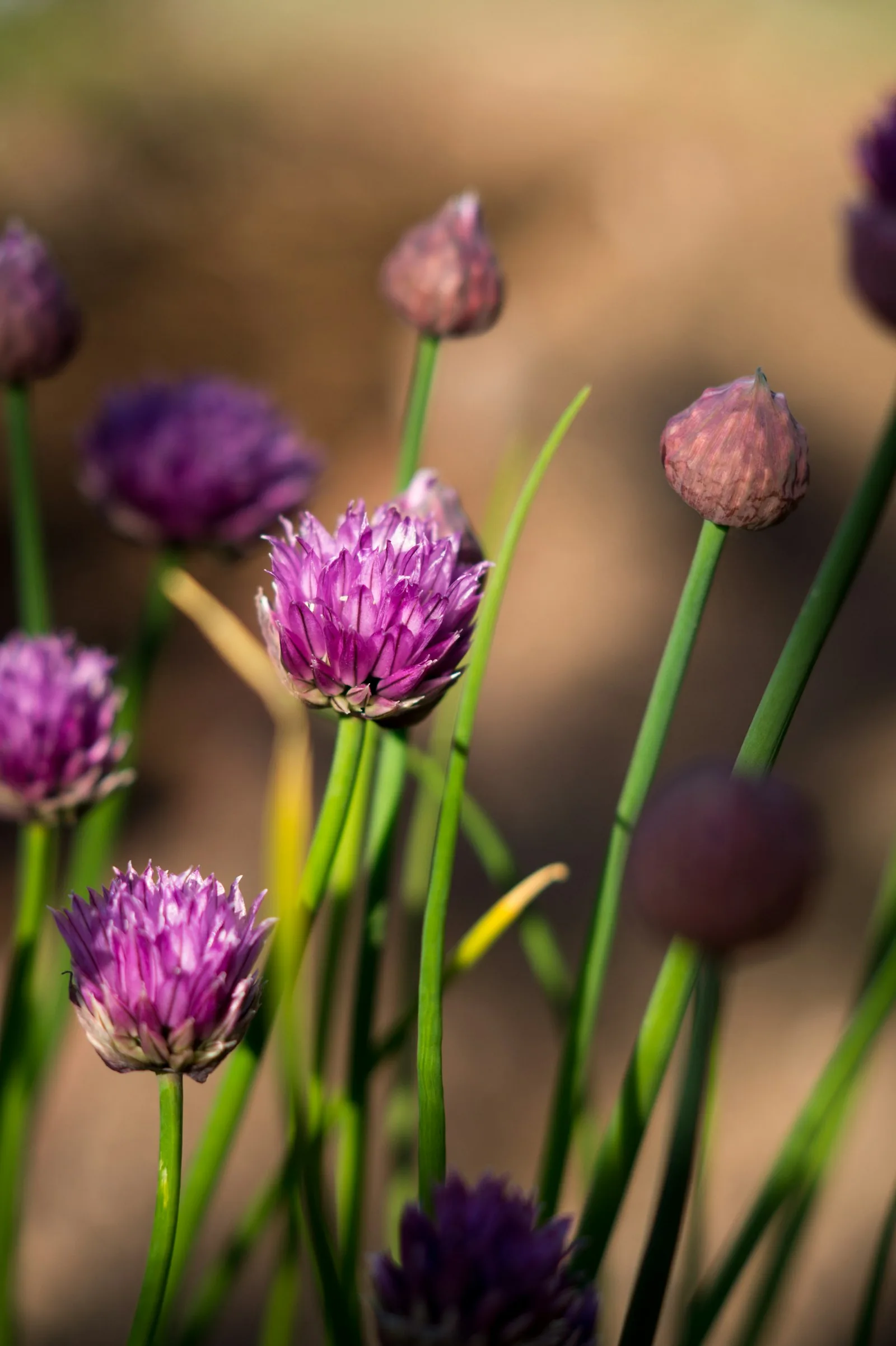
Purple flower in tilt shift lens
Photo: Unsplash on Unsplash

—- title: "Growing Chives Outdoors: Zone, Care, and Harvesting" slug: growing-chives hub: vegetables category: Herb description: "How to grow chives outdoors — hardiness zones 3–9, planting, dividing clumps, harvesting, edible flowers, and container vs. in-ground guidance." date: 2026-06-10 updated: 2026-06-10 author: "Thomas A." reading_time: 7 —-

I grow chives in the Long Island plot, and they are the least demanding plant in the herb section. A clump established from a transplant in spring comes back every year, requires minimal watering once established, and produces from March through November in zone 7a. The main management task is dividing the clump every three to four years when it becomes overcrowded, and cutting back the flower stalks if you want continued leaf production rather than seed.

Chives are worth planting early in a garden if you want a perennial that gives something useful in the first year and continues for a decade without replanting.

Quick Facts

AttributeDetail
Scientific nameAllium schoenoprasum
Plant typeHerbaceous perennial
USDA zones3–9
Cold toleranceHardy to -40°F (zone 3)
LightFull sun to part shade
Soil pH6.0–7.0
WaterModerate; drought-tolerant once established
Mature size10–15 inches tall, 12 inches wide
Zone 7a emergenceMarch (from established clumps)

USDA Hardiness Zone

Per Missouri Botanical Garden, chives are hardy in USDA zones 3 to 9. Per NC State Extension Plant Toolbox, they are "one of the most cold-tolerant culinary herbs" and will survive temperatures to -40°F in zone 3.

In zone 7a Long Island, established chive clumps emerge in early March — often the first green growth in the herb garden, ahead of thyme and sage and well before basil. They die back after the first hard frost in late October or November and re-emerge the following spring without any assistance.

Light Requirements

Per Penn State Extension, chives grow best in "full sun to partial shade." I grow mine in a spot that gets about 6 hours of direct sun, which produces good yields. In partial shade (3–4 hours of direct sun), chives grow more slowly and produce thinner leaves, but they do not fail entirely — they are more shade-tolerant than most culinary herbs.

Full sun (6–8 hours) produces the most vigorous clumps and the most flavorful leaves.

Soil

Per NC State Extension Plant Toolbox, chives "prefer fertile, well-drained soil with a pH of 6.0 to 7.0." Unlike rosemary and thyme, they are not native to Mediterranean dry conditions and appreciate more soil organic matter. Incorporating 2–3 inches of compost before planting improves performance, particularly in the establishment year.

On my sandy loam, established chive clumps perform well without soil amendment because I side-dress with compost each spring. The key requirement is drainage — chives, like all Allium, do not tolerate waterlogged soil and will develop root rot if soil stays saturated.

Watering

Per Penn State Extension, established chives are "moderately drought-tolerant" and need approximately 1 inch of water per week during active growth. New transplants and seed-started plants need consistent moisture during establishment. After the first season, established clumps in zone 7a rarely need supplemental watering except during extended drought (2+ weeks without rain).

My clumps at the Long Island plot go without supplemental watering through most of the summer — they may look slightly stressed in August heat but recover with the first fall rain.

Fertilizing

Per Penn State Extension, chives benefit from a spring side-dressing of balanced fertilizer as new growth emerges. I apply Espoma Plant-tone (5-3-3 organic) at the label rate for perennial herbs — roughly 1 cup per clump — in early April. This provides nitrogen for the rapid spring growth flush and supports the season's production without excess.

In the establishment year, a light application at transplanting supports root development and early productivity.

Planting: Seed vs. Transplants

Chives are easy to grow from seed but slow to establish. Per Cornell Cooperative Extension, seeds germinate in 7–14 days at 60–70°F, but seedlings grow slowly and produce a small harvest in the first year. Start seeds indoors 6–8 weeks before the last frost date, or direct sow outdoors in early April.

Transplants from a garden center give a head start — a 4-inch transplant will produce a small harvest in its first season and a full clump by year two.

Chives can also be divided from an existing clump. Take a section of 10–15 bulblets with attached roots in spring or fall. Per Missouri Botanical Garden, chives "divide easily" and division is the fastest way to establish multiple plants or share the planting.

Harvesting and Storage

Harvest chives by cutting leaves 1–2 inches above the soil with clean scissors or a knife. Do not pull — cut. Per Cornell Cooperative Extension, "cutting to 2 inches above the crown stimulates new growth and keeps the clump productive." Never remove more than one-third of the clump at one time.

My approach: I cut the entire clump to 2 inches in mid-June after the flowering period, when the leaves often become slightly tougher and the plant is putting energy into seed. This triggers a full flush of fresh, tender new growth within 2–3 weeks.

Edible flowers: The purple-pink globe flowers are edible and have a mild onion-chive flavor. Per Penn State Extension, the flowers can be "used in salads, as garnish, or made into herb vinegar." Deadheading spent flowers prevents self-sowing and redirects the plant's energy back to leaf production.

Fresh storage: Chives keep 1–2 weeks refrigerated, wrapped in a damp paper towel. Chop fresh chives and keep in a small sealed container in the refrigerator for up to a week.

Freezing: Freeze chopped chives on a baking sheet, then transfer to a freezer bag. Frozen chives work in cooked dishes; they lose the texture and fresh bite that makes them useful as a cold garnish. Per Clemson HGIC, freezing preserves more flavor than drying for chives.

Drying: Chives dry poorly — the thin leaves lose most of their flavor when dried. Fresh or frozen is strongly preferable.

Dividing Established Clumps

Per Missouri Botanical Garden, chive clumps "should be divided every 3 to 4 years" when they become overcrowded. Overcrowded clumps produce thinner, less productive leaves and may decline in vigor.

Divide in early spring (March–April) before the clump is more than 3–4 inches tall, or in fall after the growing season. Dig the entire clump, use a hori hori knife or sharp spade to separate it into sections of 10–20 bulblets each, and replant at the same depth. Water in well. Divided sections establish quickly and are productive the same season.

Container vs. In-Ground

Chives are well-suited to containers. Per Penn State Extension, use a container 6–8 inches deep and wide. A Smart Pot fabric container in 3–5 gallon size works well for a single clump.

Container chives in zone 7a overwinter outside without protection — the root crown survives even if the container freezes partially. In zones 3–5, move containers to an unheated garage or cold frame to prevent the root ball from freezing solid.

Container chives dry out faster than in-ground plantings and need more frequent watering. Fertilize lightly twice per season (spring and midsummer) because nutrients leach with each watering.

In-ground is my preference for long-term productivity — established clumps in the ground can persist for 10+ years and require little more than spring fertilizing and periodic division.

Garlic Chives: A Distinct Alternative

Garlic chives (Allium tuberosum) are a related species with flat (not hollow) leaves and white flowers. Per Missouri Botanical Garden, they have "a mild garlic flavor" and are used in Asian cooking. They are hardy in zones 4–8 and are managed similarly to common chives, though they self-sow more aggressively and should be deadheaded consistently to prevent spread.

Deer Resistance

Like other Allium species, chives have good deer resistance. Per Rutgers NJAES Deer Resistant Plants list, Allium species are rated "seldom severely damaged" by deer. In my Long Island garden with moderate-high deer pressure, the chive clumps have never been browsed. This is a practical advantage in deer-pressure areas where basil and parsley are regularly damaged.

Common Problems

SymptomCauseFix
Thin, sparse leavesOvercrowded clump; insufficient sunDivide clump; move to 6+ hours sun
Yellow or wilted leavesRoot rot from poor drainage; overwateringCheck drainage; reduce watering
Self-sowing throughout gardenSeed heads allowed to shatterDeadhead spent flowers before seeds ripen
Clump not returning in springWinter-killed (unusual in zone 7a+) or root rotReplace; improve drainage before replanting
Aphids on leavesAphid infestationWash with water; apply insecticidal soap if needed
Leaf tip browningWater stress during summer droughtWater during extended dry periods (2+ weeks)

Frequently Asked

Are chives perennial?

Yes, in zones 3–9. Per Missouri Botanical Garden, chives are "hardy perennials" that die back to the ground in winter and re-emerge in spring. In zone 7a Long Island, they are among the earliest herbs to emerge in spring — I typically see new growth by early March.

When should I divide chives?

Per Missouri Botanical Garden, divide chive clumps every 3–4 years in early spring before significant growth, or in fall after the growing season. Overcrowded clumps decline in vigor — dividing restores productivity and provides additional plants for new spots or sharing.

Can I grow chives in a container?

Yes. Per Penn State Extension, chives grow well in containers at least 6–8 inches deep. Container chives in zone 7a overwinter outdoors without protection. Water more frequently than in-ground plants and fertilize lightly twice per season.

Are chive flowers edible?

Yes. Per Penn State Extension, chive flowers have "a mild onion flavor" and can be used in salads, as garnish, or infused in vinegar. The flowers appear in late May to June in zone 7a and last 2–3 weeks. Deadhead after flowering if you want to prevent self-sowing and encourage a new flush of leaf production.

—-

Recommended gear: Best Insecticidal Soap: How Potassium Salts Kill Soft-Bodied Pests — our buyer's guide covering picks for every budget, ranked by Extension publication consensus and personal use.

Sources

  1. NC State Extension Plant Toolbox &mdash; <a href="https://plants.ces.ncsu.edu/plants/allium-schoenoprasum/">Allium schoenoprasum (Chives)</a>.
  2. Missouri Botanical Garden &mdash; <a href="https://www.missouribotanicalgarden.org/PlantFinder/PlantFinderDetails.aspx?kempercode=b062">Allium schoenoprasum</a>.
  3. Cornell Cooperative Extension &mdash; <a href="https://gardening.cals.cornell.edu/lessons/vegetables/chives/">Chives</a>.
  4. Penn State Extension &mdash; <a href="https://extension.psu.edu/herb-gardening">Herb Gardening</a>.
  5. Clemson HGIC &mdash; <a href="https://hgic.clemson.edu/factsheet/basil-and-other-culinary-herbs/">Basil and Other Culinary Herbs</a>.
  6. Rutgers NJAES &mdash; <a href="https://njaes.rutgers.edu/deer-resistant-plants/">Deer Resistant Plants</a>.

Sources