Home / Problems / Transplant Shock: Symptoms, Timeline, and Recovery
Problem
Transplant Shock: Symptoms, Timeline, and Recovery
title: "Transplant Shock: Symptoms, Timeline, and Recovery"
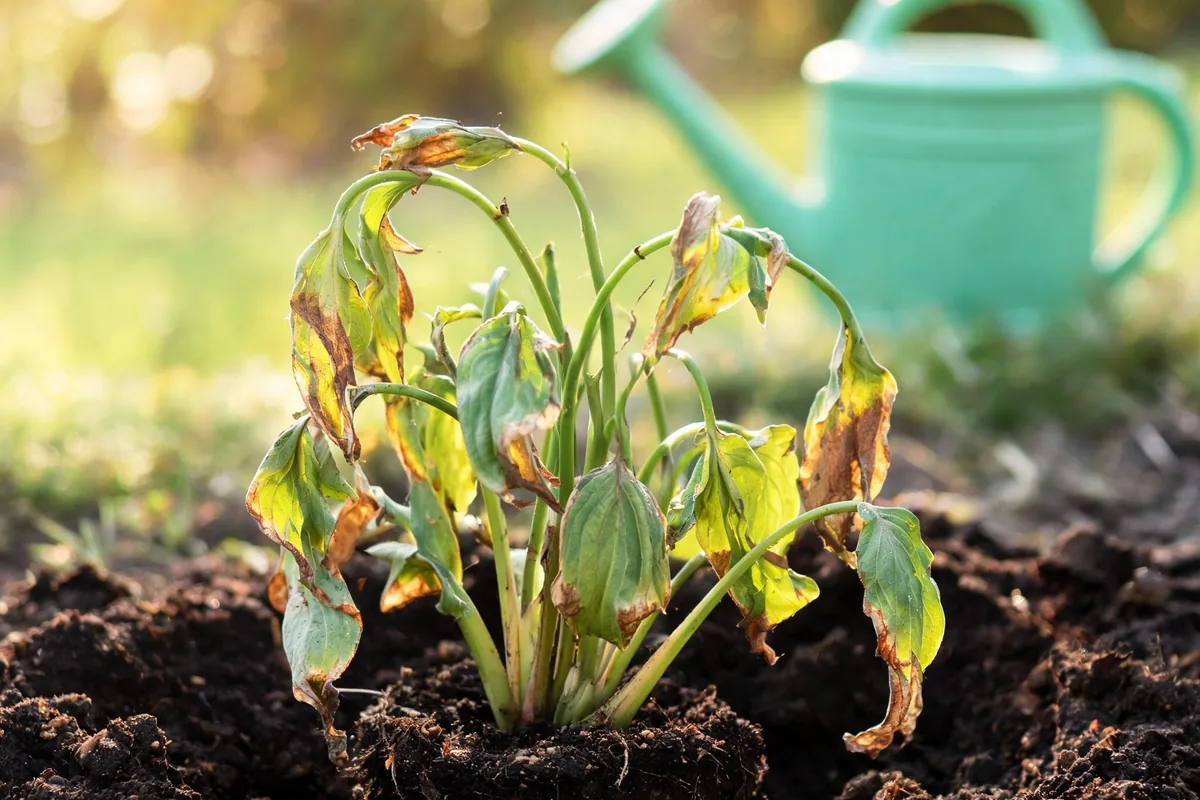
Classic wilting and edge-burn from transplant shock. Image: AI-generated reference. Transplant shock is the predictable stress response that plants experience when they are moved from one location to another. Every time a plant is dug up, divided, or moved from a container into the ground, a portion of the root system is damaged or lost. The remaining roots must support the full canopy while new roots establish. The visible result is wilting, leaf drop, yellowing, and a period of minimal growth.
The severity of transplant shock depends on how much root damage occurred, when transplanting happened, and how well aftercare was managed. In most cases, transplant shock is temporary and the plant recovers fully — but "most cases" is not "all cases."
The honest summary: Transplant shock is a root-to-canopy imbalance: the plant has less root capacity than its aboveground mass requires. The treatment is to reduce canopy water demand (sometimes through pruning) while supporting root recovery (consistent moisture, no fertilizer). Wilting after transplant is expected. Wilting that persists for weeks or months without recovery suggests a more serious problem — either the root system was critically damaged or the planting site is unsuitable.Table of Contents
Why Transplant Shock Happens Symptoms and What They Mean Expected Timeline by Plant Type Care During Recovery When Transplant Shock Is Serious High-Risk Situations Common Situations Table Frequently Asked
Reader questions
Questions from other readers about this guide. Ask your own — if it's a good question, the answer goes here for the next reader.
How long does transplant shock last?
It depends on the plant type. Per University of Minnesota Extension, annual vegetables recover in 1--2 weeks; herbaceous perennials in 2--6 weeks; small shrubs in one growing season; large trees over 1--5 years depending on size. The "1 year per inch of trunk diameter" rule for tree establishment is a practical benchmark, though recovery varies with species, soil conditions, and aftercare quality.
Should I fertilize a plant in transplant shock?
Per University of Minnesota Extension, no -- not at the time of transplanting or in the first growing season. Fertilizer stimulates shoot growth when the plant's priority is root recovery, and excess soluble salts from fertilizer can damage the stressed root system. Wait until the plant shows clear recovery in the second growing season.
Can transplant shock be reversed once it starts?
Mild to moderate transplant shock resolves with appropriate care -- consistent moisture, mulch, and patience. Per Missouri Botanical Garden, the plant's own root regeneration is the recovery mechanism; care practices support that process but cannot accelerate it significantly beyond what the plant can do on its own. Severe transplant shock -- where most of the root system was lost or the plant was transplanted at the worst possible time into poorly prepared soil -- may not be reversible.
Is fall or spring better for transplanting?
For most deciduous trees and shrubs in the eastern United States, per Missouri Botanical Garden, fall (after leaf drop, before hard freeze) is the preferred time. The plant is dormant, evapotranspiration demand is low, and soil temperatures remain warm enough for root establishment through much of October and November. Spring transplanting (before bud break) is the second-best time. Summer transplanting should be avoided for large plants; small annuals and perennials handle summer transplanting well if watered consistently. --- > Recommended gear: The 10 best hydrangea cultivars by type (mophead, paniculata, oakleaf) — our buyer's guide covering picks for every budget, ranked by Extension publication consensus and personal use.
One honest gardening email a day for 30 days
Real techniques from a Long Island zone 7a garden, each tied to a primary Extension source. No listicles. No filler. Unsubscribe any time.
Send me the emails