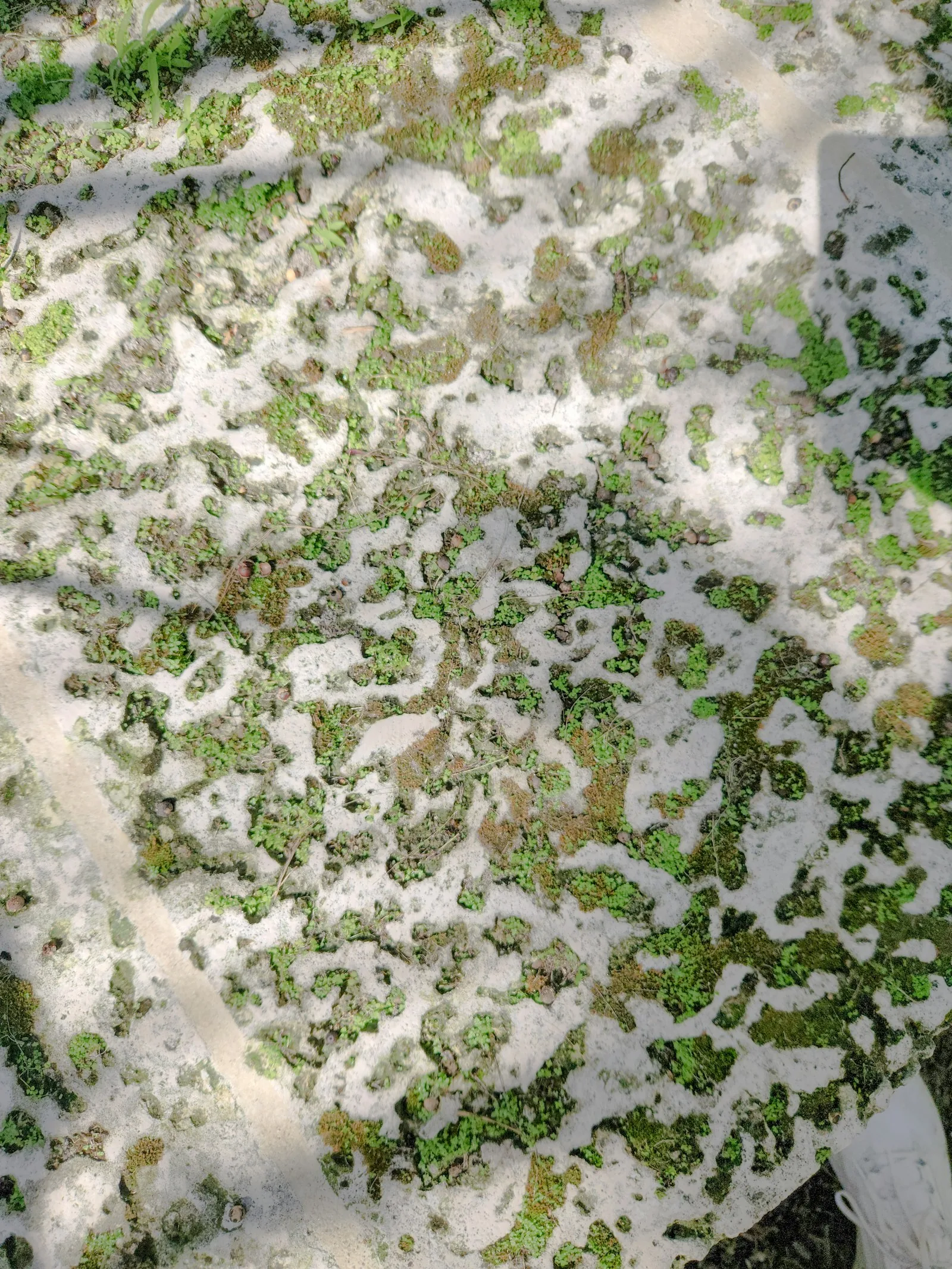
Snow Mold on Lawns: Pink & Gray Snow Mold Guide
title: "Snow Mold on Lawns: Pink and Gray Snow Mold Identification and Treatment"
—- title: "Snow Mold on Lawns: Pink and Gray Snow Mold Identification and Treatment" slug: snow-mold-lawn hub: problems category: Problem description: "Snow mold on lawns explained: how to identify pink and gray snow mold, what causes them, and how to recover your lawn in spring. Prevention tips for next season." date: 2026-06-10 updated: 2026-06-10 author: "Thomas A." reading_time: 7 —-
Every spring on Long Island, a familiar pattern plays out as snow retreats: circular, matted patches of gray or pink-stained grass where the turf looks dead. The temptation is to assume winter killed the grass and start overseeding immediately. That reaction is usually premature.
What most people are seeing is snow mold — two separate fungal diseases that develop under snow cover and become visible when the snow melts. Knowing which type you have determines how you respond, and in most cases the recovery advice is the same: be patient, rake, wait.
Two diseases with similar names
Snow mold is not one disease. Two distinct fungi cause snow mold on cool-season turfgrass:
| Feature | Gray Snow Mold | Pink Snow Mold |
|---|---|---|
| Pathogen | Typhula incarnata, Typhula ishikariensis | Microdochium nivale (formerly Fusarium nivale) |
| Color | Grayish-white mycelium | Pink to salmon mycelium |
| Growth requirement | Requires snow cover | Does not require snow; active in cold wet conditions above freezing |
| Crown damage | Usually no crown kill | Can kill crown and roots in severe cases |
| Sclerotia present? | Yes — tiny orange-brown specks in mycelium | No sclerotia |
| Season | Disappears when snow melts | Can persist longer in cool, wet spring |
Per University of Minnesota Extension, gray snow mold is more common and less damaging. Pink snow mold is more aggressive and may require overseeding of severely affected areas.
Per Rutgers NJAES, pink snow mold can develop without snow cover, simply from prolonged cold, wet conditions above freezing. In the Northeast, it can be active in November and December even without significant snow.
Identification
Gray snow mold (Typhula spp.)
Per Penn State Extension:
- Circular to irregular patches, 4 inches to 2 feet in diameter
- Gray-white, cobweb-like mycelium over matted, straw-colored grass
- As the patch dries, small orange-brown sclerotia (survival structures) become visible as tiny specks within the mycelium
- Patches may merge if severe
- Active only under snow cover; ceases when snow melts
Pink snow mold (Microdochium nivale)
Per Penn State Extension:
- Circular patches, 1 inch to 1 foot in diameter; can enlarge
- Pink to salmon coloration at the edges of patches, particularly in moist conditions
- Affected leaves look water-soaked initially, then bleached and matted
- No sclerotia; no visible orange specks
- Can be active in wet conditions from fall through spring, not limited to periods of snow cover
The color distinction is most reliable when mycelium is actively growing at the patch edges during moist conditions. Once the affected area dries out, patches of both diseases look similar — bleached, matted, straw-colored grass.
What favors snow mold
Per University of Minnesota Extension, both snow molds are favored by:
- Deep, persistent snow cover over unfrozen ground
- Snow falling on grass that was not dormant — particularly grass that was lush and actively growing late into fall
- Excessive nitrogen fertilization in late fall, which keeps grass growing when it should be hardening off
- Poor drainage and compacted soils that hold moisture
- Snow piling (from plowing or shoveling) in specific areas
Per Rutgers NJAES, in New Jersey and the surrounding region, lawns with heavy thatch accumulation are more susceptible because the thatch holds moisture and insulates fungal activity.
Recovery: what to do in spring
Per Penn State Extension, the first step when snow melts is to lightly rake affected areas with a leaf rake. The purpose is to:
- Break up the matted, compressed grass so air can circulate to the crown
- Remove dead leaf material that the fungus is feeding on
- Allow the soil surface to dry faster, which stops fungal growth
Do not reseed immediately. Per University of Minnesota Extension, most snow mold patches will recover on their own once conditions dry. New grass blades grow from the crown if the crown is alive. Wait at least 2—3 weeks after raking to evaluate whether the crown is alive and producing new growth before deciding to overseed.
When to overseed: If after 3—4 weeks of warm spring weather there is still no new green growth in a patch, the crowns are dead and overseeding is needed. This is more common with pink snow mold, which can kill crowns. Per Penn State Extension, seed bare areas using a blend appropriate for your conditions — for zone 7a Northeast lawns, a turf-type tall fescue or Kentucky bluegrass/perennial ryegrass blend per soil exposure.
Fungicide in spring: Not generally recommended. Per Rutgers NJAES, fungicide applied after snow melt does not reverse existing damage and provides no benefit for recovery. Fungicide for snow mold is a preventive-only tool, applied in fall before snow cover.
Prevention for next season
Mow until grass stops growing. Per Penn State Extension, the most important preventive measure is mowing the lawn to its normal height (about 2.5 inches for most cool-season grasses) until growth ceases in fall. Long grass matts under snow and creates ideal conditions for both molds.
No nitrogen fertilizer after September 1 in the Northeast. Per University of Minnesota Extension, late-season nitrogen stimulates lush growth that is more susceptible to snow mold. If fall fertilization is needed, use a slow-release source with minimal quick-release nitrogen after Labor Day.
Reduce thatch. Dethatch or aerate in early fall if thatch exceeds 1/2 inch. Thatch creates the humid microenvironment snow mold fungi need.
Rake leaves. Per Penn State Extension, unremoved leaf piles hold moisture over the grass and contribute to snow mold conditions.
Fungicide prevention (for severe sites only). Per Rutgers NJAES, preventive fungicide for snow mold is warranted only on sites with a consistent history of severe infection that affects significant lawn area. The effective timing for gray snow mold (Typhula) is just before the anticipated first snow cover. For pink snow mold (Microdochium), applications in November can help. Labeled fungicides include iprodione, thiophanate-methyl, and fludioxonil. Applications are rarely cost-effective for a typical home lawn.
Common problems table
| Symptom | Cause | Fix |
|---|---|---|
| Circular gray-white patches at snow melt, no crown death | Gray snow mold (Typhula spp.) | Rake to improve airflow; wait 3 weeks for crown recovery |
| Pink-edged patches, some crowns killed | Pink snow mold (Microdochium nivale) | Rake; wait for recovery; overseed if no growth after 3—4 weeks |
| Snow mold every year in same spot | Persistent site conditions (deep snow pile, poor drainage) | Redirect snow piling; improve drainage; thatch management |
| Snow mold appeared without snow, late fall | Pink snow mold active in cold wet conditions | Rake; ensure good drainage; avoid late-season nitrogen next year |
| Large area affected across most of lawn | Deep, prolonged snow cover on unlucky timing | Rake entire area; recover naturally; overseed bare spots only |
Frequently asked
Does snow mold kill lawns permanently?
Rarely. Per Penn State Extension, gray snow mold damages only the leaf tissue and sheaths in most cases, with the crown surviving. Pink snow mold can kill crowns in severe cases. Even in bad years, most lawns with snow mold recover naturally without overseeding. Patience is the most important treatment.
Should I apply fungicide in spring to stop snow mold from spreading?
No. Once snow melts and temperatures rise above about 45°F, snow mold fungi stop growing on their own. Per Rutgers NJAES, spring fungicide application does not reverse existing damage and is not recommended. Rake, allow the lawn to dry and warm, and let the crown recover.
Why does snow mold keep appearing in the same spots?
Per University of Minnesota Extension, recurrent snow mold in the same locations usually reflects site conditions — a spot where snow accumulates and melts slowly, an area with poor drainage, or a location with heavy shade that stays cold and wet longer into spring. Addressing the site condition (redirect snow piling, improve drainage, reduce thatch) is more effective than fungicide.
What grass types are most susceptible?
Per Rutgers NJAES, annual bluegrass (Poa annua) is the most susceptible species to both snow molds. Among common lawn grasses, creeping bentgrass is also highly susceptible. Kentucky bluegrass, tall fescue, and perennial ryegrass are moderately susceptible. Fine fescue shows more tolerance.
Sources
- Penn State Extension — <a href="https://extension.psu.edu/snow-mold">Snow Mold</a>
- University of Minnesota Extension — <a href="https://extension.umn.edu/lawn-care/snow-molds">Snow Molds</a>
- Rutgers NJAES — <a href="https://njaes.rutgers.edu/fs738/">Snow Molds of Turfgrass</a>