Problem

Brown Leaves on Hydrangea: Causes and Fixes

title: "Brown Leaves on Hydrangea: Causes and Fixes"

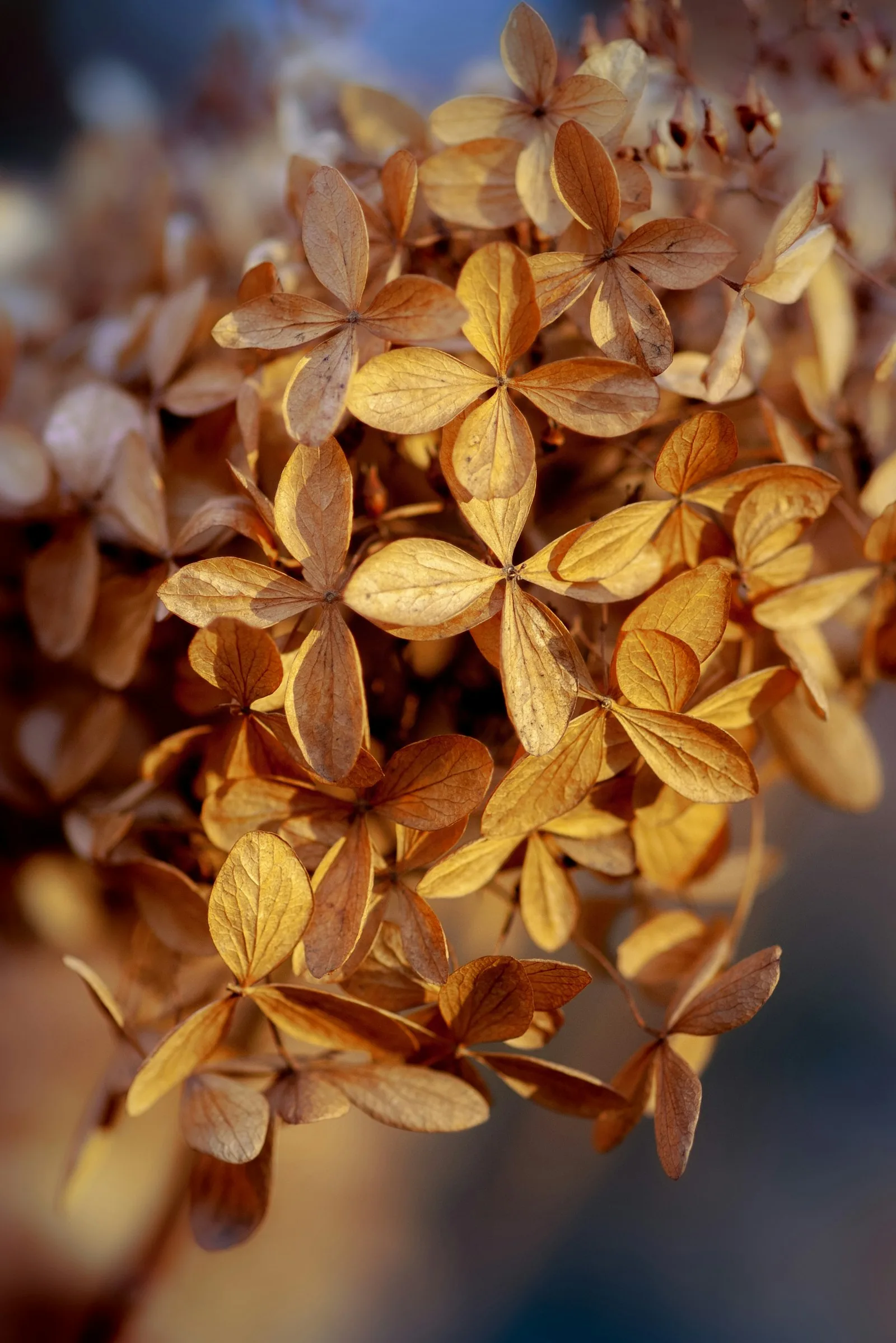
Brown leaves in tilt shift lens
Photo: Unsplash on Unsplash

—- title: "Brown Leaves on Hydrangea: Causes and Fixes" slug: hydrangea-brown-leaves hub: problems category: Problem description: "Brown leaves on hydrangea have six different causes — sun scorch, drought, frost, disease, salt, or root problems. This guide diagnoses each pattern with Extension-sourced fixes." date: 2026-06-10 updated: 2026-06-10 author: "Thomas A." reading_time: 8 —-

Brown leaves on hydrangea is a symptom, not a diagnosis. Afternoon sun scorch produces brown that is crispy and concentrated at leaf edges and tips. Frost damage produces brown that is limp, water-soaked looking, and often blackened. Root rot produces brown that spreads from the base of the plant upward and is accompanied by wilting that doesn't respond to watering. Getting the cause right matters because the corrective actions are completely different.

I grow both Hydrangea macrophylla and H. paniculata in my Melville yard. The macrophylla on the south-facing bed shows brown leaf edges every August from afternoon heat — that's expected, and I don't intervene. The paniculata has never had a brown leaf problem.

Table of Contents

  1. Reading the Pattern of Browning
  2. Sun Scorch and Heat Stress
  3. Drought Stress
  4. Frost Damage
  5. Salt Damage
  6. Root Problems and Crown Rot
  7. Fungal Leaf Diseases
  8. Common Situations Table
  9. Frequently Asked

Reading the Pattern of Browning

Before deciding on a cause, look at the pattern, timing, and location of browning:

Per Clemson HGIC's hydrangea troubleshooting guide, the most common environmental causes of leaf browning are sun scorch, drought, and late-spring frost — all of which affect leaf edges and tips first, unlike diseases that typically produce spots with defined margins.

Sun Scorch and Heat Stress

The most common cause of brown leaves on H. macrophylla in zone 6—8 gardens. Per Oregon State Extension's hydrangea guide, bigleaf hydrangeas planted in full afternoon sun in hot climates show brown, scorched leaf edges and wilting during peak summer heat.

Sun scorch is different from drought: the plant receives adequate water but the leaves cannot move enough water to keep pace with evaporative demand from direct afternoon sun. The result is browning at leaf margins and tips, typically appearing first on leaves that face south or southwest.

In my Long Island yard, the mophead on the south-facing bed shows this every July and August. The plant does not die, and I don't intervene beyond keeping the root zone moist. Moving it would require losing a mature plant — not worth it. New planting decisions factor this in: I plant bigleafs on the east side of structures only.

Per Penn State Extension, H. macrophylla performs best with 4—6 hours of morning sun and afternoon shade. The standard recommendation is an east-facing exposure.

Fix: For established plants, consistent soil moisture and mulch reduce stress but do not eliminate it. For new plants, site selection is the fix — choose afternoon shade.

Drought Stress

Hydrangeas are not drought-tolerant. Per Clemson HGIC, consistent moisture is essential — at least 1 inch per week from rain or irrigation, more during hot spells.

Drought browning typically appears as brown leaf edges that progress inward, combined with visible wilting during the day (and possibly overnight if the stress is severe). The leaves may curl before browning fully.

In Long Island's sandy loam, which drains fast, drought stress can develop within 3—4 days without rain in July or August.

Fix: Water deeply at the root zone (not overhead), ensuring the soil is wet to 8—10 inches. Apply 2—3 inches of mulch to hold moisture. Per Clemson HGIC, wilted hydrangeas often recover fully with watering if the stress has not been severe or prolonged.

Frost Damage

Late-spring frosts — which in zone 7a can occur as late as mid-April — can catch hydrangeas when they have put out new growth. Per Penn State Extension, frost damage on hydrangeas produces limp, dark green or blackened new growth that turns brown and dies as temperatures normalize.

The damage on H. macrophylla is doubly problematic: not only is the foliage damaged, but the flower buds that emerged with the new growth may be killed. Per Penn State Extension, even temperatures slightly below freezing (28—30°F) on a calm clear night can kill exposed flower buds on mophead hydrangeas.

Fix: Remove killed new growth with clean pruners. The plant will produce new vegetative shoots, though bloom may be reduced or absent that season if buds were killed. For future seasons, a light frost cloth or burlap over early-emerging hydrangeas on forecast frost nights can protect new growth.

Salt Damage

Road salt and de-icing chemicals accumulate in roadside soil and can be splashed onto foliage during winter. Per Clemson HGIC, salt damage produces browning from leaf margins inward that resembles drought or scorch but appears in spring or early summer rather than midsummer, often on plants near roads or driveways.

Salt in the soil also reduces water availability to roots — physiological drought even when moisture is present.

Fix: Flush affected soil with several deep waterings over a week. For roadside plants, physical barriers (snow fence, burlap screen) can reduce winter salt splash. Per Clemson HGIC, severely salt-contaminated soil may require soil amendment or bed renovation.

Root Problems and Crown Rot

When browning is accompanied by wilting that does not recover after watering, the root system may be compromised. Per Missouri Botanical Garden's hydrangea problem guide, Phytophthora root rot and crown rot cause wilting that resembles drought but does not respond to water — in fact, the soggy soil that causes it makes things worse with more irrigation.

Examine the root zone: soggy or constantly wet soil in a low spot or heavy clay is a risk factor. Dig gently at the base of the plant; healthy roots are white and firm. Rotted roots are brown to black and soft or hollow.

Per Missouri Botanical Garden, prevention is the best management — plant in well-drained soil and avoid over-watering. Once a plant has significant root rot, recovery depends on how much root system remains functional. Improve drainage; in severe cases, the plant may not survive.

Fungal Leaf Diseases

Cercospora Leaf Spot

Per Clemson HGIC, Cercospora leaf spot produces small, brown circular spots with tan centers and reddish-brown margins on the leaves. Unlike environmental browning, the spots are discrete and bounded — not diffuse edge browning. Spots may coalesce on heavily infected leaves; affected leaves yellow and drop.

This disease is rarely fatal to an established hydrangea but looks unsightly. Per Clemson HGIC, management includes removing affected leaves, improving air circulation, watering at the base (not overhead), and applying copper fungicide if the problem is severe.

Botrytis Blight

Per Missouri Botanical Garden, Botrytis cinerea causes a gray mold on flowers and leaves during wet, cool weather, producing brown spots that look water-soaked before going gray and fuzzy. Improve air circulation; remove infected tissue; avoid overhead watering.

Powdery Mildew

Powdery mildew produces white powder on leaves, but affected areas may turn brown and die as the infection progresses. Per Clemson HGIC, H. macrophylla is more susceptible than panicle hydrangeas. Management: improve air circulation, water at the base, apply sulfur or potassium bicarbonate fungicide if severe.

Common Situations Table

PatternTimingLikely causeFix
Brown crispy leaf edges and tips; plant in afternoon sunJuly—August, hot weatherSun scorchMove to afternoon shade for new planting; mulch and consistent water for established plants
Wilting + brown edges; dry soilHot dry stretchDrought stressDeep watering; mulch
Limp, blackened new growthAfter a late frost (April zone 7a)Frost damageRemove affected growth; accept bloom reduction; use frost cloth next year
Brown edges on south-facing plants in springAfter winterRoad saltFlush soil with water; physical barrier for winter
Wilting that doesn't recover; wet soilAnyRoot rotImprove drainage; assess root damage; do not water more
Discrete circular brown spots with defined edgesAnyCercospora leaf spotRemove affected leaves; copper fungicide; improve air circulation
White powder on leaves, browning beneathLate summerPowdery mildewImprove air circulation; sulfur or potassium bicarbonate

Frequently Asked

Can brown leaves on hydrangea be saved?

The brown leaves themselves will not recover — the damaged tissue is permanent. Per Clemson HGIC, the goal is to correct the underlying cause and allow the plant to produce new healthy foliage. In many cases — sun scorch, drought, frost — the plant recovers on its own once conditions improve. Removing badly affected foliage improves appearance and reduces disease risk.

Is sun scorch killing my hydrangea?

Rarely. Per Penn State Extension, sun scorch is an aesthetic problem for an established plant in the wrong position, but it does not typically kill the plant. It reduces the plant's vigor over time if the stress is severe and recurring, but most established bigleaf hydrangeas in suboptimal sun positions muddle through. The practical question is whether the plant blooms and grows acceptably, not whether the leaves look perfect.

How do I tell drought stress from root rot?

Both cause wilting with browning, but the soil and plant response differ. Per Missouri Botanical Garden, drought-stressed hydrangeas will recover — often visibly — within hours of deep watering. Root-rotted plants will not recover after watering; in fact, further watering makes things worse. Check the soil: soggy or waterlogged soil around a wilted plant is a clear signal of root problems, not drought.

Do hydrangeas get brown leaves from deer?

Deer browse hydrangea foliage, but the damage pattern is different from leaf browning — they consume entire leaves or stem tips rather than causing marginal browning. Per Rutgers NJAES's deer resistance ratings, H. macrophylla is rated as occasionally to frequently damaged. In high-pressure areas like Melville, the damage is often to flower buds in winter rather than leaves in summer.

—-

Recommended gear: The 10 best hydrangea cultivars by type (mophead, paniculata, oakleaf) — our buyer's guide covering picks for every budget, ranked by Extension publication consensus and personal use.

Sources

  1. Clemson HGIC &mdash; <a href="https://hgic.clemson.edu/factsheet/hydrangea/">Hydrangea</a>.
  2. Penn State Extension &mdash; <a href="https://extension.psu.edu/hydrangeas">Hydrangeas</a>.
  3. Oregon State Extension &mdash; <a href="https://extension.oregonstate.edu/gardens/flowers-shrubs-trees/hydrangeas-home-landscape">Hydrangeas in the Home Landscape</a>.
  4. Missouri Botanical Garden &mdash; <a href="https://www.missouribotanicalgarden.org/plants/plant-finder/plant-details/kc/i790/hydrangea-macrophylla.aspx">Hydrangea macrophylla</a>.
  5. Rutgers NJAES &mdash; <a href="https://njaes.rutgers.edu/deer-resistant-plants/">Landscape Plants Rated by Deer Resistance</a>.

Sources

  1. Clemson HGIC — Hydrangea.
  2. Penn State Extension — Hydrangeas.
  3. Oregon State Extension — Hydrangeas in the Home Landscape.
  4. Missouri Botanical Garden — Hydrangea macrophylla.
  5. Rutgers NJAES — Landscape Plants Rated by Deer Resistance.