Species guide

Miscanthus Care: Growing Miscanthus sinensis

title: "Miscanthus Care: Growing Miscanthus sinensis"
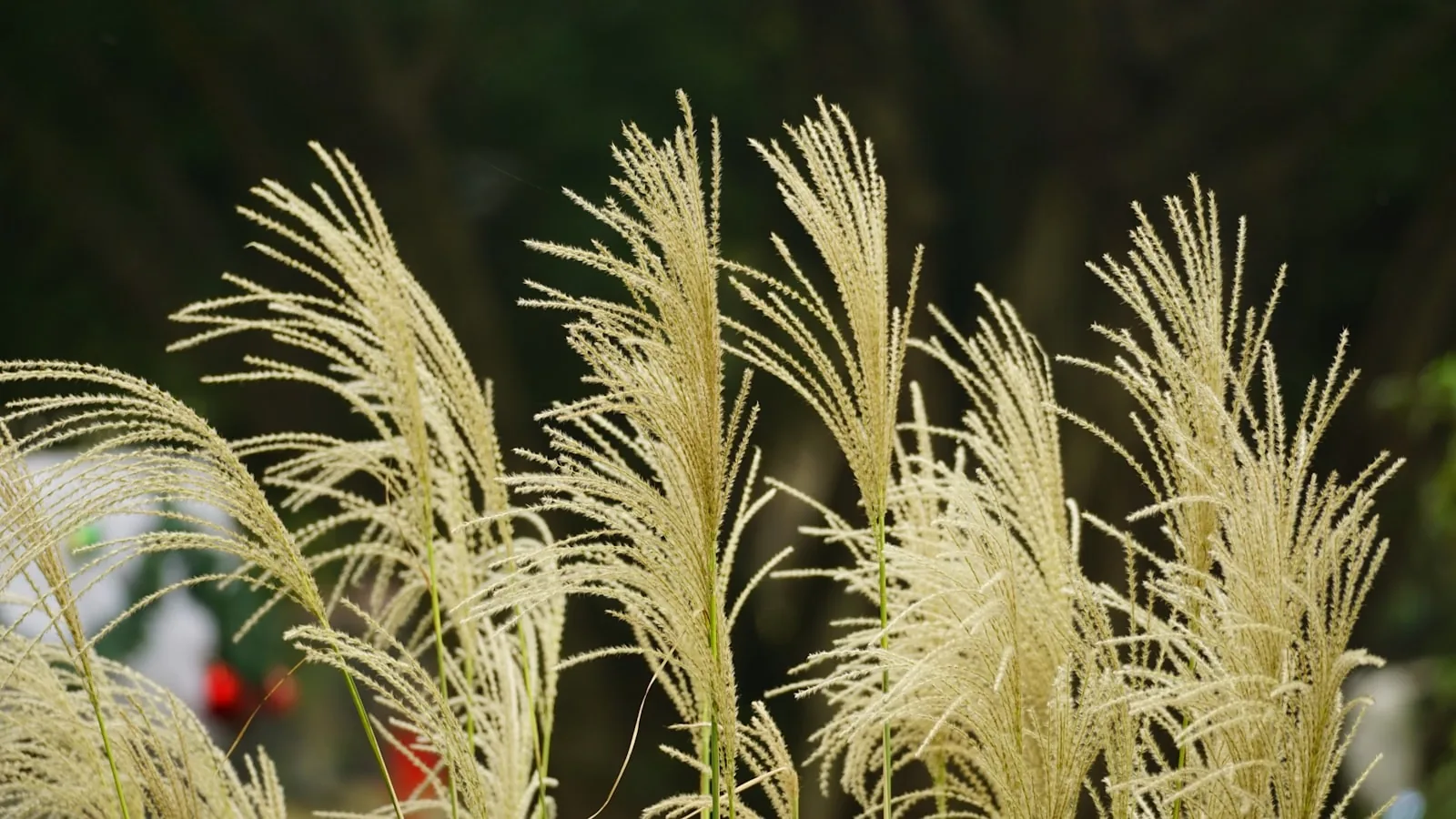
Tall ornamental grass plumes sway gently in breeze
Photo: Unsplash on Unsplash

—- title: "Miscanthus Care: Growing Miscanthus sinensis" slug: miscanthus-care hub: plants category: Species guide description: "How to grow Miscanthus sinensis in zones 5–9. Invasive risk, cultivar selection, cutting back, and managing the large clumps. Extension-sourced guide." date: 2026-06-10 updated: 2026-06-10 author: "Thomas A." reading_time: 9 scientific: "Miscanthus sinensis" zones_min: 5 zones_max: 9 sun: "full sun" deer_resistant: true native: false bloom: "fall" height_min: 5 height_max: 10 —-

Miscanthus sinensis — Japanese silver grass, eulalia — is one of the largest and most architecturally dramatic ornamental grasses available to North American gardeners. Mature clumps reach 5–8 feet or taller, with silvery plume seed heads that catch winter light from September through February. It has been a staple of American residential and commercial landscapes for decades. The significant concern that belongs early in any miscanthus article: in parts of the eastern United States, M. sinensis escapes cultivation and invades natural areas. Before planting, understand the invasive risk in your region and choose cultivars accordingly.

I don't grow miscanthus in my Long Island yard — the combination of the scale required to use it well and the invasive risk in nearby natural areas has made me favor switchgrass instead. This guide is sourced from Extension publications.

Invasive potential — understand before planting

Per Penn State Extension, Miscanthus sinensis is considered invasive in parts of the eastern United States, particularly along roadsides, woodland edges, and disturbed natural areas. It is listed as invasive in some states and as a concern in others. The Pennsylvania Native Plant Society and similar organizations in Mid-Atlantic states have raised concerns about its spread from gardens into natural areas.

Per Missouri Botanical Garden, "its invasive potential has been documented in several states" and the most practical mitigation is "choosing cultivars that are sterile or slow to produce seed." A 2011 Penn State trial found significant variation in seed viability among cultivars.

Lower-seeding or sterile cultivar recommendations per Penn State Extension and Missouri Botanical Garden:

The safest approach in the Northeast and Mid-Atlantic is to choose 'Adagio' or another late-flowering cultivar and remove seed heads before they ripen, particularly if the garden is adjacent to natural areas, woodland edges, or disturbed ground.

Species and cultivar overview

Miscanthus sinensis (straight species and early-blooming cultivars) — 6–8+ feet tall, arching habit. Per Missouri Botanical Garden, flowers in August–September. The straight species is the most invasive; early-blooming cultivars have the greatest seed viability.

'Gracillimus' — elegant narrow foliage, 5–7 feet, arching. Per Missouri Botanical Garden, flowers late (September–October), reducing seed viability in zones 5–6 where frost ends the season before seed ripens.

'Morning Light' — 4–5 feet, fine-textured, silvery variegated foliage. A refined appearance; late-blooming.

'Purpurascens' — flame grass; per Missouri Botanical Garden, outstanding early fall color turning orange-red in August. 4–5 feet. More compact than the species.

'Zebrinus' (zebra grass) and 'Strictus' (porcupine grass) — horizontally banded yellow and green foliage. 6–8 feet, upright to slightly arching. Per Missouri Botanical Garden, both are popular for bold textural contrast.

USDA hardiness zones

Per Missouri Botanical Garden, Miscanthus sinensis is hardy in zones 5–9. Some cultivars extend to zone 4 with mulch protection. In zones 8–9, growth is exceptional; the plants can reach 10+ feet. M. x giganteus is listed as zones 5–9.

Light

Full sun for best performance. Per Missouri Botanical Garden, miscanthus "prefers full sun" and partial shade causes reduced bloom, open floppy habit, and muted fall color. Six or more hours of direct sun daily is the minimum. Unlike switchgrass, which is native to naturally variable conditions, miscanthus benefits most consistently from maximally sunny sites.

Soil

Per Missouri Botanical Garden, miscanthus "tolerates a wide range of soils" including "poor soils" as long as drainage is adequate. Soil pH of 5.5–7.0 is acceptable per NC State Extension Plant Toolbox. Amend heavy clay with compost before planting. Unlike some ornamental grasses, miscanthus does benefit from moderate fertility — sparse soils produce less vigorous plants with fewer seed heads.

Spacing: Per Missouri Botanical Garden, space clumps 3–5 feet apart. The mature clump expands over 3–5 years and is difficult to divide once the crown becomes woody. Plan for the mature size at planting.

Watering

Established miscanthus is drought-tolerant, though less so than switchgrass. Per Missouri Botanical Garden, it "tolerates temporary flooding" and "moderate drought." During establishment (first growing season), water weekly. Once established, supplemental irrigation is rarely needed in the eastern U.S. except during extended drought.

Fertilizing

Per NC State Extension, miscanthus benefits from a modest annual fertilizer application more than some ornamental grasses — a single spring application of a balanced slow-release fertilizer at half the label rate in early spring. Excessive nitrogen produces the same problem as with switchgrass: floppy, top-heavy stems. Balance is key.

Cutting back

Per Penn State Extension, cut miscanthus to 4–6 inches above ground in late winter, before new growth begins. In zone 7a, this is late February to early March; in zone 5–6, early to mid-March. Timing is important:

The clumps are large and the old stems are dense — use bypass loppers for individual stems or a reciprocating saw for large clumps. Tying the clump with twine before cutting makes cleanup much easier.

Division: Per Missouri Botanical Garden, divide miscanthus every 3–5 years in early spring to rejuvenate clumps that develop dead centers. The crowns become very woody and dense — a sharpened spade, hori-hori knife, or even a mattock is needed. Division also controls the size of a clump that has grown beyond its allotted space.

Companion plants

Common problems

SymptomMost likely causeFix
Floppy, sprawling clumpsToo much shade; or excess nitrogenFull sun; reduce fertilizer
Clump develops dead centerNormal agingDivide in early spring
Self-seeding into natural areasInvasive spreadRemove seed heads; switch to sterile cultivar
Miscanthus streak virus (yellow leaf streaks)Viral disease; no cureRemove plant; buy clean stock
Rust spots on bladesMiscanthus rust fungusCosmetic; cut back; no treatment needed
Slow to emerge in springNormal late emergenceNew growth begins in May zone 7; do not dig

Frequently asked

Is miscanthus invasive where I live?

It depends on your state and location. Per Penn State Extension, Miscanthus sinensis has been documented as invasive in several eastern states and is a concern in Mid-Atlantic states. Check your state's invasive species list before planting, particularly if your garden is adjacent to natural areas, woodland edges, or disturbed open ground. If the straight species or early-flowering cultivars are a concern in your area, choose 'Adagio', a late-blooming variegated cultivar, or the sterile M. x giganteus.

How do I divide a large miscanthus clump?

Per Missouri Botanical Garden, divide in early spring before new growth begins. Cut the clump to 6 inches above ground, then dig the entire crown. The crown of a mature clump is dense and woody — you will need a sharp spade, mattock, or saw to separate it into sections. Each division should have several shoots and a healthy root section. Replant immediately at the same depth; water thoroughly for the first 3–4 weeks.

When does miscanthus bloom?

Per Missouri Botanical Garden, bloom timing varies by cultivar: early cultivars bloom in August; later cultivars (including 'Gracillimus', 'Morning Light', and 'Adagio') bloom in September–October. In zones 5–6, late-blooming cultivars may not fully ripen seed before frost — which is why they are recommended as lower-invasive-risk options.

Recommended gear: Best Bypass Loppers for Thick Branches (2026) — our buyer's guide covering picks for every budget, ranked by Extension publication consensus and personal use.

Sources

  1. Missouri Botanical Garden &mdash; <a href="https://www.missouribotanicalgarden.org/PlantFinder/PlantFinderDetails.aspx?kempercode=b777">Miscanthus sinensis</a>.
  2. NC State Extension Plant Toolbox &mdash; <a href="https://plants.ces.ncsu.edu/plants/miscanthus-sinensis/">Miscanthus sinensis</a>.
  3. Penn State Extension &mdash; <a href="https://extension.psu.edu/ornamental-grasses">Ornamental Grasses</a>.
  4. Penn State Extension &mdash; <a href="https://extension.psu.edu/invasive-plants">Invasive Plants</a>.

Sources