Species guide

Hardy Hibiscus Care: Growing Hibiscus moscheutos

title: "Hardy Hibiscus Care: Growing Hibiscus moscheutos"

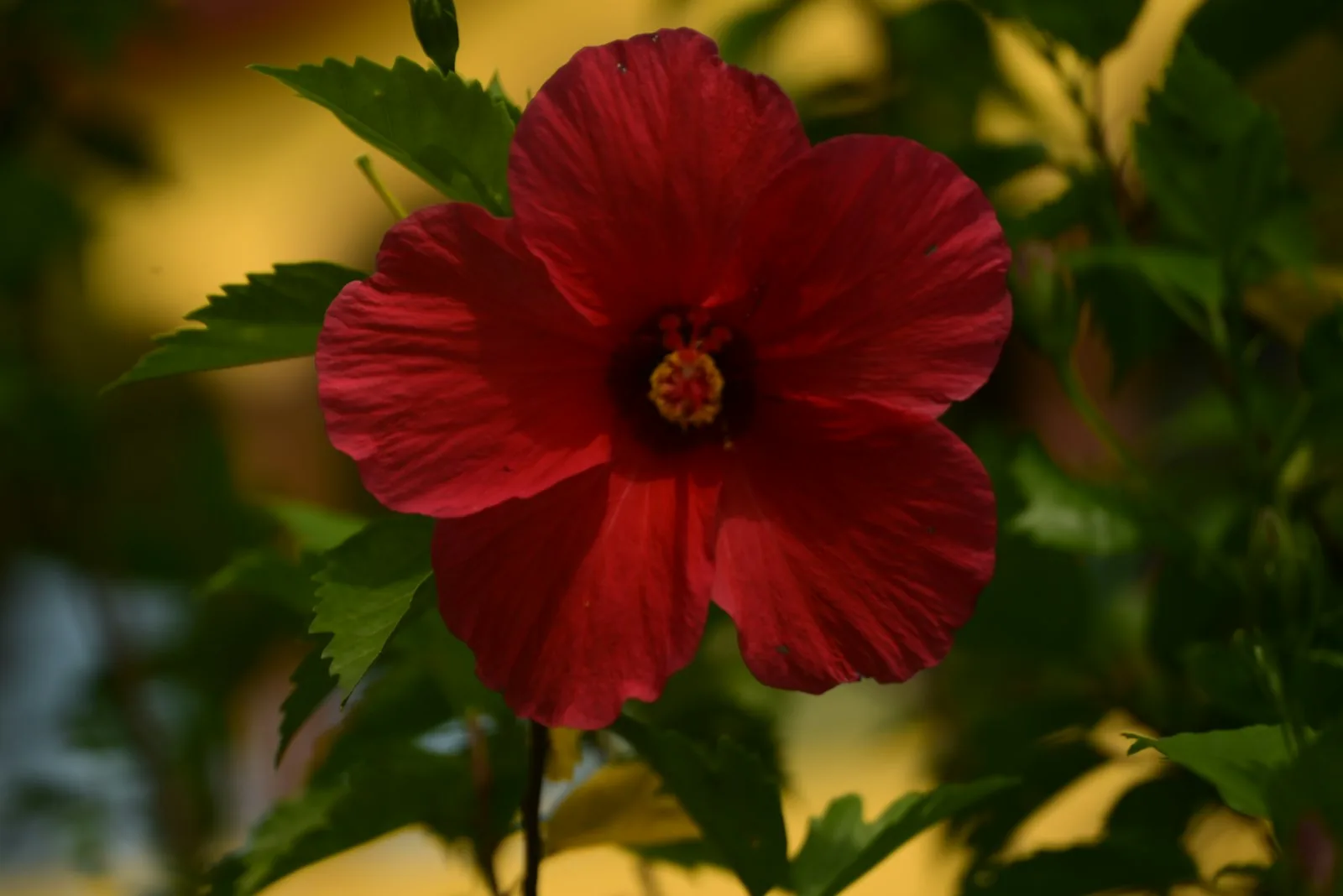
A vibrant red hibiscus flower in bloom
Photo: Unsplash on Unsplash

—- title: "Hardy Hibiscus Care: Growing Hibiscus moscheutos" slug: hardy-hibiscus-care hub: plants category: Species guide description: "How to grow hardy hibiscus (Hibiscus moscheutos) in zones 4–9. Late emergence, pruning, fertilizing, and Japanese beetle control. Extension-sourced guide." date: 2026-06-10 updated: 2026-06-10 author: "Thomas A." reading_time: 9 scientific: "Hibiscus moscheutos" zones_min: 5 zones_max: 9 sun: "full sun" deer_resistant: true native: true pollinator: true bloom: "summer" height_min: 4 height_max: 8 —-

Hibiscus moscheutos — rose mallow, swamp rose mallow, hardy hibiscus — produces flowers that are genuinely enormous. Per Missouri Botanical Garden, flower diameter ranges from 6–12 inches on some cultivars, among the largest of any hardy perennial. The plant emerges very late in spring — so late that inexperienced gardeners routinely dig it up assuming it has died — blooms continuously from mid-summer into fall, then dies back to the ground each winter. It is a herbaceous perennial despite its tropical appearance.

I don't grow hardy hibiscus in my Long Island yard. This guide is sourced from university Extension publications.

Hardy hibiscus vs. tropical hibiscus — an important distinction

Hibiscus moscheutos — hardy hibiscus, swamp rose mallow. A true herbaceous perennial, cold-hardy in zones 4–9. Dies to the ground each winter. Native to wet meadows and swampy areas of eastern North America.

Hibiscus rosa-sinensis — tropical hibiscus. A woody shrub or small tree, cold-hardy only in zones 10–11. What most people buy as a summer patio plant in the northern United States. Not a perennial in most of the country.

This distinction matters because care advice for tropical hibiscus (bring indoors in fall, overwinter as a houseplant) does not apply to hardy hibiscus. Per NC State Extension Plant Toolbox, H. moscheutos is "an herbaceous perennial in zones 4–9" that "dies to the ground and regenerates from the root crown each spring."
Cultivars: Per Missouri Botanical Garden, widely grown cultivar groups include:

USDA hardiness zones

Per Missouri Botanical Garden, Hibiscus moscheutos is hardy in USDA zones 4–9. Per NC State Extension, in zone 4 the plant may need a light winter mulch over the crown for reliable overwintering. From zones 5 through 9, no winter protection is typically needed.

The late-emergence problem

Per Penn State Extension, hardy hibiscus "is a very late-emerging perennial — gardeners should resist the urge to dig it up" because it may not show growth until late May or early June in zones 5–7. At that point, other perennials have been growing for 6–8 weeks.

In zone 7a on Long Island, hardy hibiscus typically emerges in late May to early June — weeks after hosta, daylily, coneflower, and salvia are already leafed out. The root crown is alive; the plant is simply waiting for consistently warm soil temperatures. Per Missouri Botanical Garden, soil temperature reaching 65°F or higher is what triggers emergence.

Practical tip: Mark the planting location clearly in fall before the plant dies back. A stake or small marker prevents accidentally digging through the root crown during spring garden cleanup.

Light

Full sun, at minimum 6 hours of direct sun daily. Per Missouri Botanical Garden, hardy hibiscus "grows best in full sun." In partial shade, the plant grows taller and more open in habit, and bloom quantity decreases. In zones 8–9, light afternoon shade reduces heat stress and extends individual flower lifespan (each flower lasts one day; shade keeps them open longer).

Watering

Hibiscus moscheutos is native to wet meadows and swampy edges. Per Missouri Botanical Garden, it "tolerates short periods of standing water" and prefers "consistently moist soils." In typical garden settings, aim for 1–2 inches of water per week. The plant wilts noticeably under drought but recovers quickly once watered — occasional wilting is less damaging here than with most perennials.

In heavy clay soils, the plant's tolerance for wet conditions is an advantage. It is one of the few landscape perennials that performs well in low spots where other plants suffer. That said, prolonged stagnant waterlogging can still cause crown rot.

Soil

Per NC State Extension, hardy hibiscus tolerates "a wide range of soils" including clay and average garden loam, with a pH of 6.0–7.0. Amend with compost before planting to improve moisture retention in sandy soils. In wet or clay soils, no amendment is typically needed beyond initial loosening to ease planting.

Fertilizing

Hardy hibiscus is a moderate feeder. Per Missouri Botanical Garden, apply a balanced fertilizer in spring when new growth begins. A slow-release 14-14-14 fertilizer at label rate in early June (when the plant is actively emerging) feeds through the long bloom season. Excessive nitrogen promotes foliage at the expense of flowers — use a balanced product, not a high-nitrogen lawn fertilizer.

A second application in July can extend the bloom season, per Clemson Extension HGIC.

Pruning

Per Missouri Botanical Garden, cut hardy hibiscus stems to within 4–6 inches of the ground in late fall after frost kills the foliage, or in early spring before new growth emerges. Do not cut back in summer — the plant is actively blooming. Spent flowers fall on their own; individual flower removal is not necessary.

To encourage a more compact, bushy habit, pinch the growing tips once or twice in late May and June while the plant is establishing its framework. Per Penn State Extension, this encourages branching but may delay first bloom slightly.

Japanese beetles

Japanese beetles (Popillia japonica) are a significant pest of hardy hibiscus in the eastern United States. Per Rutgers NJAES, hibiscus is among the most attractive host plants for Japanese beetle adults, which skeletonize leaves and devour flower petals. Infestation can defoliate plants if not managed.

Management options per NC State Extension and Penn State Extension:

For long-term grub reduction in the lawn surrounding the garden, milky spore or beneficial nematodes can reduce the local beetle population over multiple seasons.

Companion plants

Common problems

SymptomMost likely causeFix
Plant not emerging by late MayNormal late-emergence behaviorWait; do not dig
Skeletonized leaves; holes in flowersJapanese beetlesHand-pick; neem oil; contact insecticide
Yellowing leavesNutrient deficiency; alkaline soil; or waterlogged rootsSoil test; adjust pH; check drainage
Wilting at middayDrought stressWater deeply; mulch to retain moisture
Crown rot, failure to emergePoorly drained winter soilImprove drainage; replant on slight mound
Aphids on growing tipsAphid infestationWater spray; insecticidal soap

Frequently asked

Is hardy hibiscus deer-resistant?

Per Rutgers NJAES, hardy hibiscus is rated as "frequently severely damaged" by deer — it is one of the plants deer find most attractive in the landscape. In high-deer-pressure gardens like much of Long Island, some form of protection is necessary. Options include Liquid Fence or Plantskydd repellent applied when new growth emerges in spring, physical fencing, or planting in a protected area.

Why does my hardy hibiscus emerge so late compared to other perennials?

Per Missouri Botanical Garden, hardy hibiscus requires warm soil temperatures to initiate growth — it does not break dormancy from air temperature or daylight length alone. Soil temperatures need to reach approximately 65°F before the root crown activates. In zones 5–7, this can be a full month after other perennials are actively growing. The plant is alive; it is simply cold-soil-dormant. Mark its location in fall to prevent accidentally digging it out during spring cleanup.

How long does each flower last?

Per Missouri Botanical Garden, each individual hibiscus flower lasts only one day. However, a well-established plant produces continuous new flowers over a bloom period from mid-July through frost — a total of 10–14 weeks of bloom. The plant sets multiple buds per stem, opening sequentially, so there are always new flowers opening as old ones close. This makes the short individual flower lifespan less of a practical concern in the landscape.

Recommended gear: Best Neem Oil for Gardens: How It Works and When to Use It — our buyer's guide covering picks for every budget, ranked by Extension publication consensus and personal use.

Sources

  1. Missouri Botanical Garden &mdash; <a href="https://www.missouribotanicalgarden.org/PlantFinder/PlantFinderDetails.aspx?kempercode=c464">Hibiscus moscheutos</a>.
  2. NC State Extension Plant Toolbox &mdash; <a href="https://plants.ces.ncsu.edu/plants/hibiscus-moscheutos/">Hibiscus moscheutos</a>.
  3. Penn State Extension &mdash; <a href="https://extension.psu.edu/perennials-in-the-landscape">Perennials in the Landscape</a>.
  4. Clemson Extension HGIC &mdash; <a href="https://hgic.clemson.edu/factsheet/hardy-hibiscus/">Hardy Hibiscus</a>.
  5. Rutgers NJAES &mdash; <a href="https://njaes.rutgers.edu/pubs/publication.asp?pid=FS1312">Landscape Plants Rated by Deer Resistance</a>.
  6. Rutgers NJAES &mdash; <a href="https://njaes.rutgers.edu/pubs/publication.asp?pid=FS678">Japanese Beetle</a>.

Sources