Care

When to mulch garden beds: spring vs fall timing by zone

The bags of shredded hardwood showed up at my local nursery last week, which means every gardener in zone 7a is about to reflexively spread mulch without thinking much about why or when.

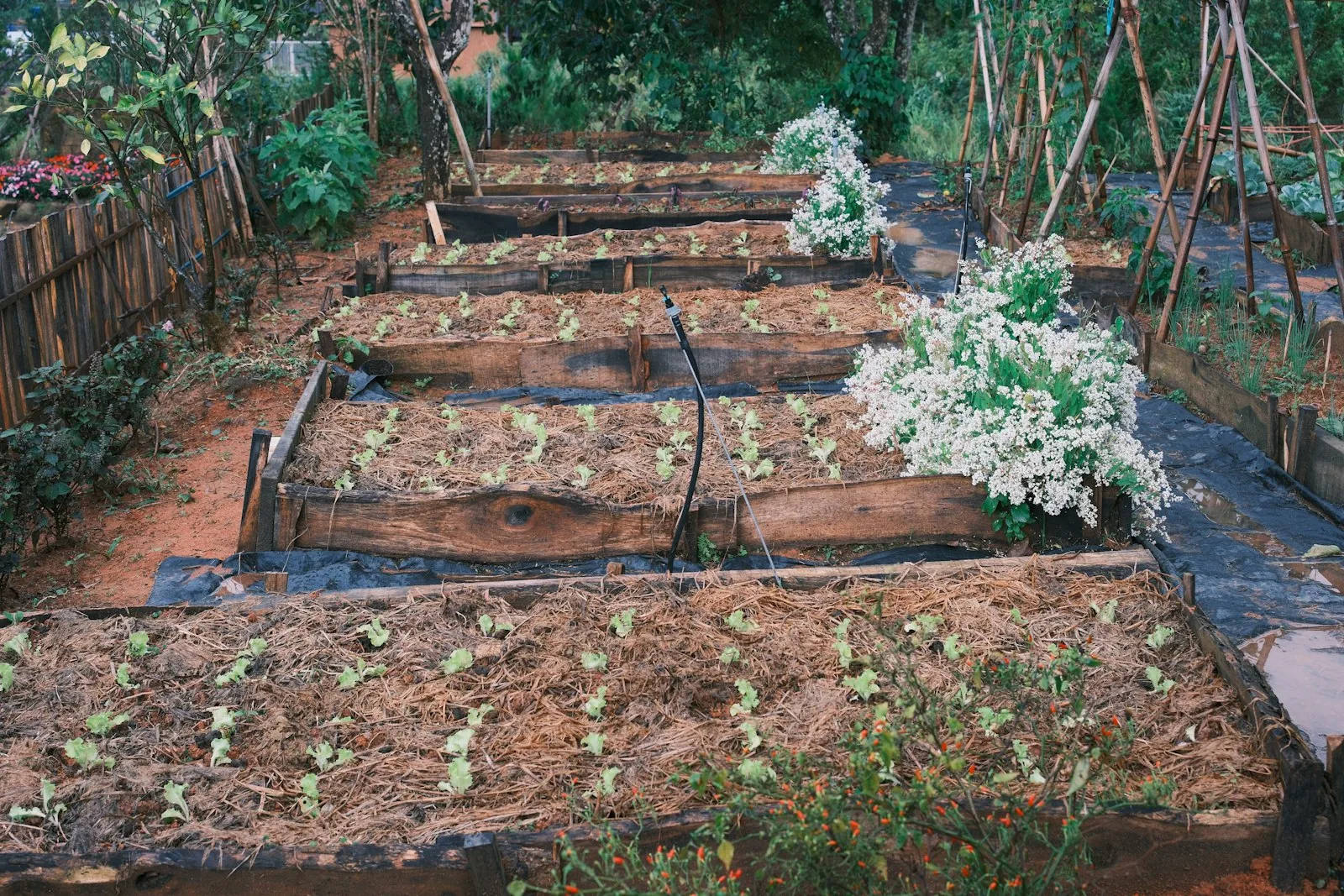
Raised garden beds with young plants and mulch
Photo: Unsplash on Unsplash

—- title: "When to mulch" slug: when-to-mulch hub: care category: How-to guide description: "The bags of shredded hardwood showed up at my local nursery last week, which means every gardener in zone 7a is about to reflexively spread mulch without thinking much about why or when. I've done it." date: 2026-06-10 updated: 2026-06-10 author: "Thomas A." reading_time: 10 —-

The bags of shredded hardwood showed up at my local nursery last week, which means every gardener in zone 7a is about to reflexively spread mulch without thinking much about why or when. I've done it myself — grabbed a bag in March, dumped it on the beds because it looked like something needed to happen. I've also left fall-mulched beds under an inch of straw through a warm February, lifted the whole mat in March, and found a ring of gray crown rot where a catmint 'Walker's Low' used to be.

Mulch is not a neutral act. The timing matters. The depth matters. Whether you pull it back in spring matters.

What mulch actually does

Per Missouri Botanical Garden's mulch factsheet, organic mulch provides ten documented benefits, but the ones that actually drive the timing question are three:

  1. Temperature moderation. In summer, organic mulch buffers soil temperatures by keeping the ground cooler in the daytime and warmer at night. In winter, it keeps the ground warmer and less subject to heaving.
  2. Moisture retention. Mulch reduces evaporation at the soil surface. Per Missouri Botanical Garden, a 3-inch layer of compost or shredded bark is "sufficient to protect against moisture loss and temperature fluctuations."
  3. Frost heaving prevention. Per Missouri Botanical Garden, mulch reduces heaving by "loosening the soil structure" and lessening the tension between water molecules that form ice in the subsurface. Soil ice increases pressure which "tears plant crowns and roots."

Spring mulch timing: wait for the soil to warm

Per Missouri Botanical Garden, "organic mulches should be placed around annual plantings only after the soil has warmed up in the spring. If they are applied too early, the soil will remain cold because it excludes the sunlight and this will slow plant growth." Their recommendation for the St. Louis area (zone 6a) is to wait until after mid-May for annual beds.

The same principle applies to perennial beds. Mulching too early in spring traps cold and delays root activity. The standard guidance: wait until soil temperatures at 2-inch depth have reached 50–55°F. For most gardeners, that means the window when daffodils are finishing and peonies are pushing up. In Long Island zone 7a, that's typically early to mid-April. In zone 5 (Minneapolis, Chicago), that might be late May.

Per Penn State Extension's mulch guide, the layer should be "limited to three to four inches deep." Greater depth reduces oxygen and water available to plant roots, threatening plant vigor.

Warm-zone spring mulch (zones 6–9): weed suppression priority

In zones 6 and warmer, where winters are mild enough that the freeze-thaw heaving problem is less severe, spring mulch is primarily about weed suppression and moisture conservation during summer heat. Apply it after soil has warmed, and it will do its best work all summer.

Weed suppression requires an intact layer. Penn State Extension notes that 3–4 inches is the ceiling. Below 2 inches, weed suppression is incomplete. The sweet spot is 2–3 inches of shredded hardwood, bark, or compost.

Fall mulch timing: wait for the ground to freeze

This is where timing is most commonly wrong. Well-meaning gardeners apply fall mulch in October when they are doing their cleanup. In zones 6–7, October mulch often goes down before the soil has frozen — creating a warm, moist environment that welcomes voles, provides cover for fungal diseases, and can delay the onset of true dormancy.

Per Missouri Botanical Garden, winter mulch for perennials should be applied "after the first frost about mid-November." The goal is to mulch after the soil surface has experienced at least one hard freeze (below 28°F). At that point, the plant is dormant, the soil begins to freeze, and the mulch performs its actual job: moderating the freeze-thaw cycles that would otherwise heave roots.

Cold-zone fall mulch (zones 3–5): frost heave protection priority

In zones 3–5, where the soil freezes hard and the temperature can cycle repeatedly through freeze-thaw through the season, fall mulch is critical. Per Missouri Botanical Garden's factsheet, mulch "reduces heaving of soils from frost" by absorbing the pressure changes that otherwise tear plant crowns from the soil.

The specific sequence for zones 3–5:

  1. Clean up dead foliage if disease was present (but leave healthy stems for wildlife and winter interest where possible).
  2. Wait for the first hard freeze (a night below 28°F).
  3. Apply 3–4 inches of straw, shredded leaves, or shredded hardwood.
  4. In spring, begin removing mulch gradually as soil temperatures rise and plants show signs of emerging.

Volcano mulching: what it is and why it kills trees

Per Missouri Botanical Garden's October gardening calendar: "Mulch trees and shrubs using the 'donut' method as opposed to the 'volcano' method which can damage trees and cause roots to girdle."

Volcano mulching — piling mulch 6–12 inches high against the trunk of a tree or shrub — is one of the most common and most damaging errors in residential landscaping. It creates three specific problems:

Per Penn State Extension, mulch applied around trees "should be no more than two to four inches deep and should be applied three to four inches from the trunk of the tree and extend outward to the drip line." The goal is a wide, flat donut — not a cone.

Mulch depth by purpose

PurposeZoneDepthTiming
Weed suppression (annuals/perennials)All zones2–3 inchesAfter soil reaches 50–55°F in spring
Moisture retention (summer)All zones2–3 inchesSpring, after soil warms
Freeze-thaw protection (crowns)3–53–4 inchesAfter first hard freeze
Winter root insulation3–53–4 inchesAfter first hard freeze
Tree/shrub protectionAll zones2–4 inches in donutFall or spring

Mulch type: what to use

Per Missouri Botanical Garden's factsheet, shredded or chipped bark mulch is "slow to decompose, attractive, reusable" and lasts 1–2 years. It is the most practical choice for ornamental beds. Straw is the preferred choice for winter protection of crowns because it is loose and insulating but does not mat down as badly as leaves, and it is easy to remove in spring.

Per Penn State Extension, dyed mulches may contain wood recovered from construction sites and used pallets, which "may contain Chromated Copper Arsenate (CCA)." If you're using dyed mulch around edible plants, they note it is best to determine the wood source. For purely ornamental beds, the dye itself (carbon-based for black, iron oxide for red) is not considered toxic to plants.

Whole leaves: A common mistake in the fall is to dump whole leaves directly on perennial crowns as mulch. Per Missouri Botanical Garden, intact leaves "may form a mat that prevents oxygen and water movement." Shredded leaves are a good mulch; whole leaves piled over crowns can suffocate them. Run them through the mower first.

Zone-by-zone timing guide

USDA ZoneTypical first hard freezeFall mulch windowSpring mulch window
Zone 3 (Minneapolis, MN)Late SeptemberOctoberLate May
Zone 4 (Chicago, IL)Mid-OctoberLate October–NovemberEarly–mid May
Zone 5 (Boston, MA)Late OctoberEarly NovemberEarly May
Zone 6 (Long Island, NY; Philadelphia, PA)Early NovemberMid-NovemberMid-April
Zone 7 (Washington DC, Charlotte, NC)Mid-NovemberLate NovemberEarly April
Zone 8 (Atlanta, GA; Dallas, TX)Late NovemberDecemberMarch
Zone 9 (Houston, TX; Phoenix, AZ)RareSkip winter mulchFebruary–March

Frost date sources: NOAA National Centers for Environmental Information.

Common problems

SymptomCauseFix
Crown rot on perennials after winterMulch applied too early or too deep, held moisture against crownApply only after hard freeze; keep mulch away from crown center; remove in spring before growth emerges
Mulch mat blocking spring growthWhole leaves or fine-texture mulch compacted over crownRemove or thin mulch once temperatures reliably above 40°F
Roots near soil surface, weak plantShallow root development from perennially moist shallow soilPull back mulch temporarily; improve drainage if compacted
Girdling roots on treesVolcano mulching over yearsRemove mulch cone, create proper donut; monitor for years
Vole tunnels under mulchDeep mulch close to crown in winterReduce depth; create bare zone around trunk/crown center
Weeds growing up through mulchMulch too thin (under 2 inches) or applied over existing weed seedsRefresh layer; hand-weed before applying fresh mulch
Recommended gear: Best Mulch Types Compared: Cedar, Pine Straw, and Hardwood — our buyer's guide covering picks for every budget, ranked by Extension publication consensus and personal use.

Frequently asked

How deep should mulch be?

Per Penn State Extension, the mulch layer should be "limited to three to four inches deep." Greater depth reduces oxygen and water reaching roots and threatens plant vigor. The practical target for most ornamental beds is 2–3 inches. Too little (under 2 inches) and weed suppression is inadequate; too much (over 4 inches) and you're cutting off the root zone from oxygen and precipitation. Refresh rather than add on top of old mulch — per Penn State Extension, remove the old layer before adding new to keep within the depth limit.

When should I apply fall mulch?

Per Missouri Botanical Garden, apply winter mulch "after the first frost about mid-November" — the specific date varies by zone. The key principle: wait until after the soil surface has experienced at least one hard freeze. Applying mulch before the ground has frozen can trap warmth, delay plant dormancy, and create conditions favorable for crown rot and rodent nesting. For zones 3–5, this typically means late October to mid-November. For zones 6–7, mid to late November. For zones 8–9, fall mulch is primarily about weed suppression and moisture retention, not cold protection.

Should I remove winter mulch in spring?

Yes, but gradually. Per Penn State Extension's fall planting guide, mulch for newly planted perennials and trees "should be checked weekly" in spring, and removed as plants begin to emerge. For established beds: begin pulling back winter mulch when daytime temperatures are reliably above 40°F and you see the first growth emerging. Leaving it until late spring keeps soil cold and can smother emerging crowns. The exception is in zone 3–4 gardens where late-spring frost is still a real risk — keep a light layer of straw available to pull back over tender emerging growth on nights forecast below 28°F.

Is dyed mulch safe?

Per Penn State Extension, the dyes used in black mulch (carbon-based) and red mulch (iron oxide-based) are not considered toxic to plants. The concern is the wood source: recycled wood from construction and demolition sites or old pallets may contain treated lumber. Much of the C&D wood predates the 2003 ban on chromated copper arsenate (CCA) in pressure-treated lumber. For ornamental beds well away from edibles, dyed mulch is generally fine. For vegetable gardens and raised beds where edibles grow, Penn State Extension recommends determining the origin of the wood before using dyed mulch.

Sources

  1. Missouri Botanical Garden — Mulches for the Home Garden.
  2. Penn State Extension — Mulch – A Survey of Available Options.
  3. Missouri Botanical Garden — Gardening by Month – October.
  4. NOAA National Centers for Environmental Information — Frost date data.