Plants Not Growing: Diagnostic Guide
Plants not growing — a systematic diagnostic for root-bound containers, soil compaction, nutrient lockout, and herbicide residue, with actionable remedies and realistic recovery timelines.
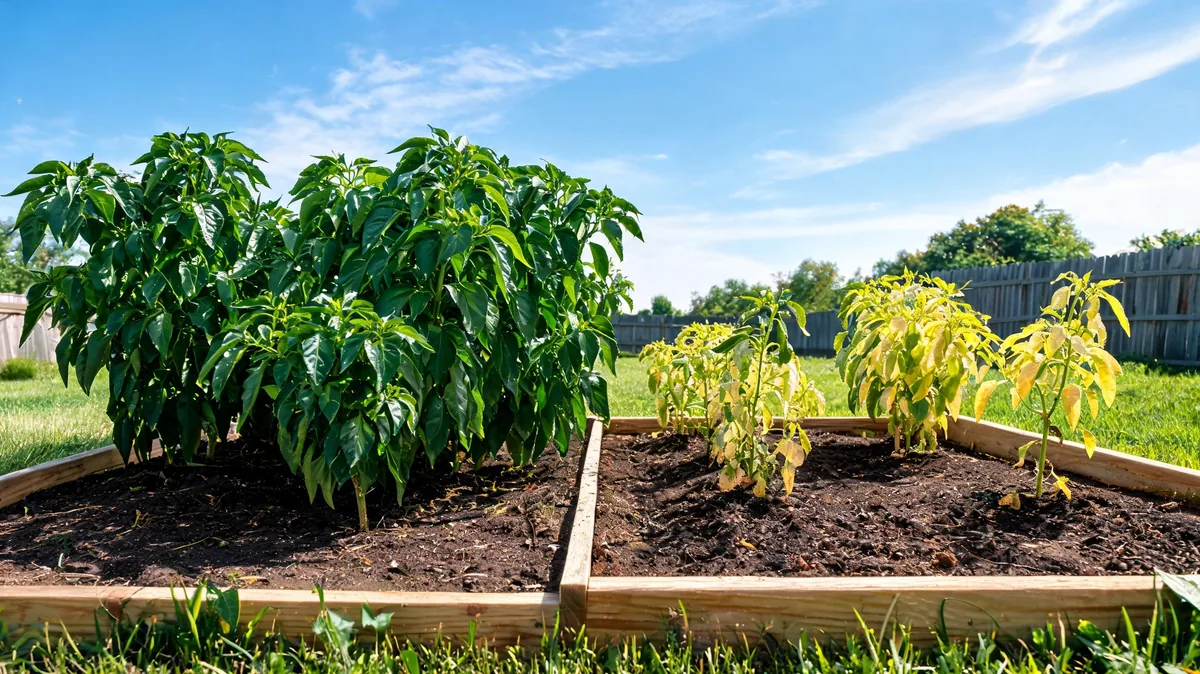
First: rule out normal dormancy and establishment lag
Before diagnosing a problem, confirm the plant should actually be growing. Trees and shrubs typically grow in spring flushes — they may look static in mid-summer even when completely healthy. Some plants (baptisia, asclepias, penstemons) are extremely slow to emerge in spring and look dead until they aren't. Per Penn State Extension, "newly planted trees and shrubs often show minimal above-ground growth in the first season while establishing root systems."
Great Plains prairie plants spend years building root systems before visible above-ground growth accelerates. If your plant was installed less than a full growing season ago and looks static but not dead, patience may be the correct response.