Regional guide

Native Plants for New England: Forest Understory and Meadow

Native plants for New England in zones 4–6 — forest understory species, coastal meadow plants, and the cold-hardy natives from UMass, UNH, and Maine Extension for gardens from Connecticut to Maine.
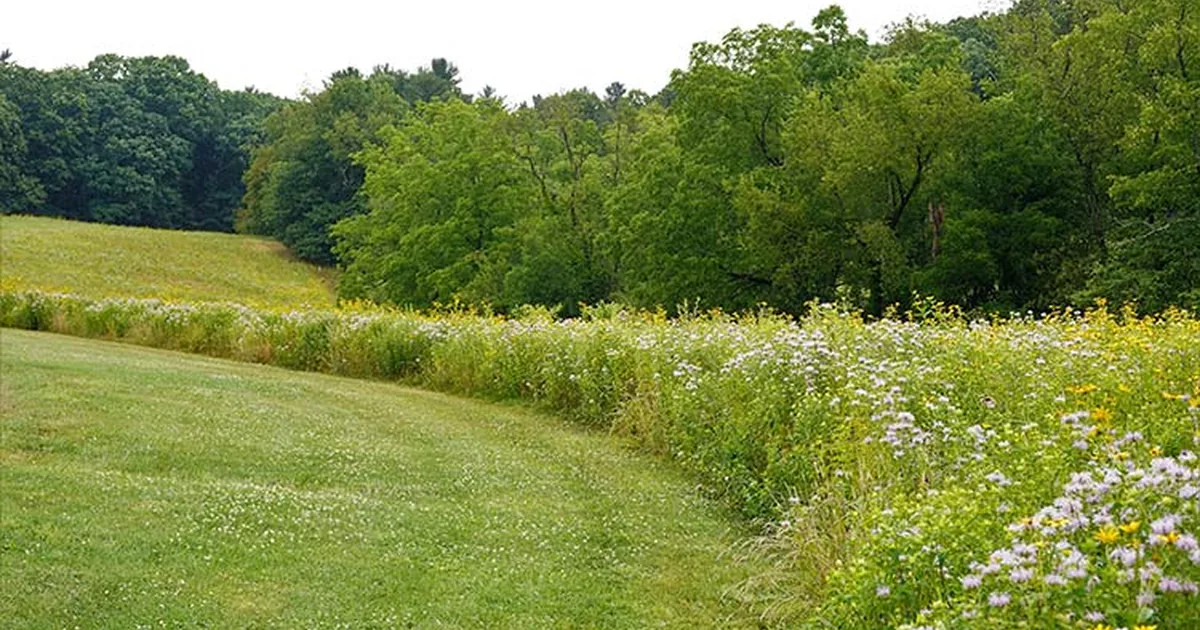
New England meadow with native asters, goldenrod, and wild bergamot in late summer bloom
Original brand image — Outdoor Plant Care

New England's three native habitat types

Per UMass Extension Landscape, Nursery & Urban Forestry, New England's native plant diversity reflects three primary habitat types: "acidic, rocky forest soils dominated by oaks, maples, and birches; coastal heath and scrub habitats with ericaceous shrubs; and open fields, roadsides, and wetland edges with sun-loving forbs and grasses." Each supports a distinct plant community, and confusion about which habitat type one is gardening in leads to wrong species selection and establishment failure.

True natives vs. cultivars in New England

New England has a particularly active native plant conservation community. Native Plant Trust (formerly the New England Wild Flower Society), based in Framingham, Massachusetts, runs Growing Native, a program certifying nurseries that sell properly sourced native plants. Per UMass Extension, "the difference between a plant grown from locally collected seed and a plant grown from a southern ecotype may not be visible in year one but becomes apparent over several winters."

What NOT to call native in New England: Japanese barberry (Berberis thunbergii) — invasive in forests throughout the region and banned in several New England states; burning bush (Euonymus alatus) — also invasive; Norway maple (Acer platanoides) — widely naturalized in New England forests and displacing native sugar maples. None of these are native regardless of how long they've been present in the landscape.

Top 14 native plants for New England gardens

1. New England aster (Symphyotrichum novae-angliae)

Zones 4–8. The signature New England native — lavender to purple daisy flowers in September–October, 3–6 feet tall. Named for the region where it was first botanically described. Per UMass Extension, it is "among the most important late-season pollinator plants in the Northeast, supporting over 100 bee species." Full sun, average moisture. Pinch back in late June to reduce height and improve branching.

2. Wild blue lupine (Lupinus perennis)

Zones 3–8. Spikes of blue-violet flowers, May–June. The only host plant of the federally endangered Karner blue butterfly (Plebejus samuelis). Native to sandy, acidic soils in open pinelands and savanna edges in New England. Per University of New Hampshire Extension, wild lupine is "a conservation priority species in New Hampshire and Massachusetts due to habitat loss." Full sun, excellent drainage, acidic soil — does not tolerate clay or wet soils.

3. Bunchberry (Cornus canadensis)

Zones 2–6. Low-growing (4–8 inches) native groundcover with white 4-petaled flowers in late spring followed by clusters of red berries. Spreads slowly in cool, moist, acidic forest soils with abundant organic matter. Per University of Maine Cooperative Extension, bunchberry is "one of the most characteristic native groundcovers of New England's spruce-fir forests." Part to full shade required.

4. Mountain laurel (Kalmia latifolia)

Zones 4–9. Broad-leaved evergreen shrub to 10–15 feet with spectacular white to pink flower clusters in late May–June. State flower of Connecticut and Pennsylvania. Native to rocky, acidic forest slopes throughout New England. Per UMass Extension, mountain laurel "requires acidic soil (pH 4.5–5.5) and will develop iron chlorosis if soil pH is too high." Part shade under tall trees; avoid deep shade.

5. Fringed bleeding heart (Dicentra eximia)

Zones 3–9. Pink heart-shaped flowers from May through September — essentially all season. Native to rocky woodland slopes in New England and the Appalachians. Tolerates more summer heat and drought than the western species. Spreads slowly in appropriate conditions. Part shade, moist but well-drained soil with humus.

6. Canadian columbine (Aquilegia canadensis)

Zones 3–8. Red and yellow nodding flowers, April–May. Essential early hummingbird plant. Naturalized throughout New England forests and woodland edges. Self-sows in appropriate conditions. Per UMass Extension, it is "one of the earliest native plants to provide hummingbird nectar in New England."

7. Swamp azalea (Rhododendron viscosum)

Zones 3–9. Deciduous native azalea with fragrant white to pale pink flowers in June–July (later than other native azaleas). Native to swamps, stream banks, and moist woods throughout New England. Tolerates wet soils better than most Rhododendrons. Per UNH Extension, it is "one of the best native shrubs for moist, shaded New England gardens." Acidic soil required.

8. Sweet pepperbush (Clethra alnifolia)

Zones 3–9. Fragrant white flower spikes in July–August — the "summersweet" of the nursery trade. Tolerates wet soils, part shade, and deer. Per UMass Extension, it is "one of the most versatile native shrubs for New England, succeeding in moist and dry sites, sun and shade." Good fall color. Spreads slowly by suckers to form multi-stem clumps.

9. Highbush blueberry (Vaccinium corymbosum)

Zones 4–7. Native shrub to 6–12 feet. White or pink bell-shaped flowers in spring; the familiar summer blueberries eaten by birds, bears, and people; brilliant red fall color. Per UMass Extension, highbush blueberry is "one of New England's most valuable native plants for both wildlife and human use." Requires acidic soil (pH 4.5–5.5) and cross-pollination from a different variety for fruit set.

10. Native violets (Viola sororia, V. labradorica)

Zones 3–9. Spring-blooming native groundcovers. Common blue violet (V. sororia) is the host plant of multiple fritillary butterfly species. Per UNH Extension, native violets "are host plants for great spangled, meadow, and Aphrodite fritillaries — butterflies whose survival depends on violet availability." Often treated as lawn weeds — a significant conservation mistake.

11. Interrupted fern (Osmundastrum claytoniana)

Zones 3–8. Large (3–4 feet) native fern for moist, part-shade areas. "Interrupted" by brown fertile leaflets in the middle of the frond — distinctive. Per University of Maine Extension, native ferns "provide critical understory structure in Maine gardens and are among the easiest native plants to establish in moist woodland sites."

12. Shagbark hickory (Carya ovata)

Zones 4–8. Native tree to 70 feet with distinctive shaggy, plated gray bark. Nuts consumed by multiple wildlife species. Supports 200+ caterpillar species (in the Carya keystone genus). Slow-growing but extremely long-lived. Full sun to part shade, deep well-drained soils.

13. Native grasses: switchgrass and little bluestem

Switchgrass (Panicum virgatum) and little bluestem (Schizachyrium scoparium) are the most adaptable native bunchgrasses for New England garden settings. Both provide winter interest, overwintering bird seed, and nesting structure for stem-nesting bees. Per UMass Extension, native grasses are "essential structural elements of New England meadow gardens."

14. Winterberry holly (Ilex verticillata)

Zones 3–9. Deciduous native holly with brilliant red berries from October through January — one of the most spectacular native winter-interest plants. Berries are critical food for robins, bluebirds, and other late-winter birds. Tolerates wet soils. Requires both male and female plants for berry production. Per UMass Extension, it is "one of the most valuable native shrubs for New England winter wildlife."

Where to source New England natives

New England Native Plant Trust's Growing Native program (based at Garden in the Woods, Framingham, MA) certifies nurseries selling properly sourced native plants throughout New England. Per UNH Extension, "purchasing from a nursery that can provide provenance information is strongly recommended." The New England Wildflower Society seed exchange and annual plant sale is another reliable source for straight-species natives of known provenance.

Common mistakes

Planting Japanese barberry as a native alternative shrub — it is definitively non-native and invasive, particularly in the acidic, disturbed forest soils that are common on New England properties. Use native viburnums, native hollies, or native hazelnuts instead for wildlife-value shrub layer.

Sources